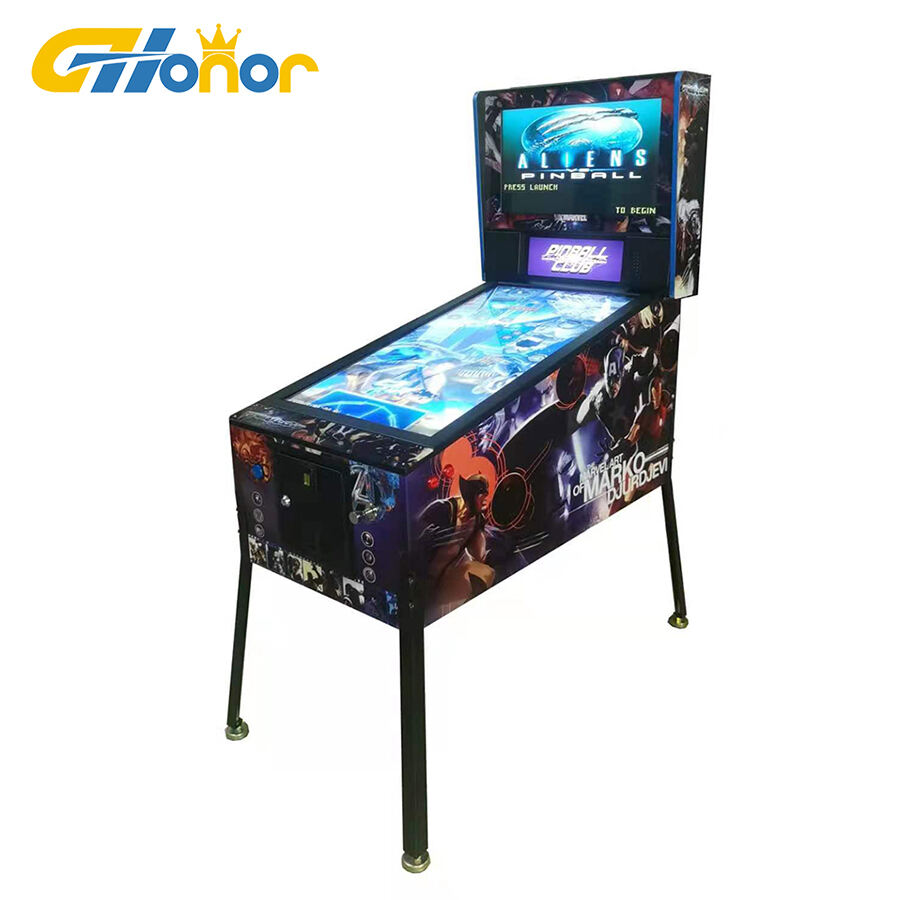
Video Game Design: Immersive Equipment for Gaming Venues

All Categories

G-Honor's Video Game Equipment: Advanced Machines for Immersive Gaming

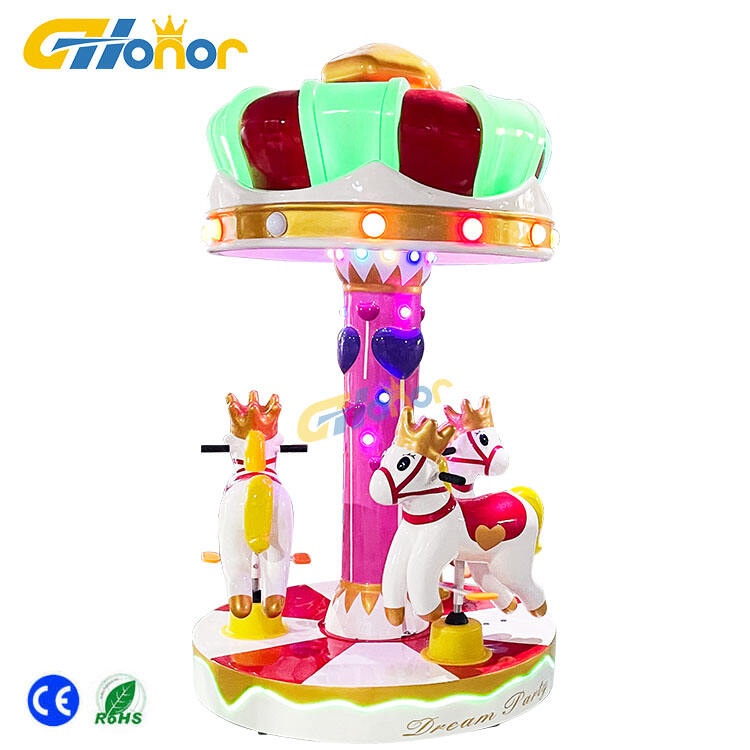
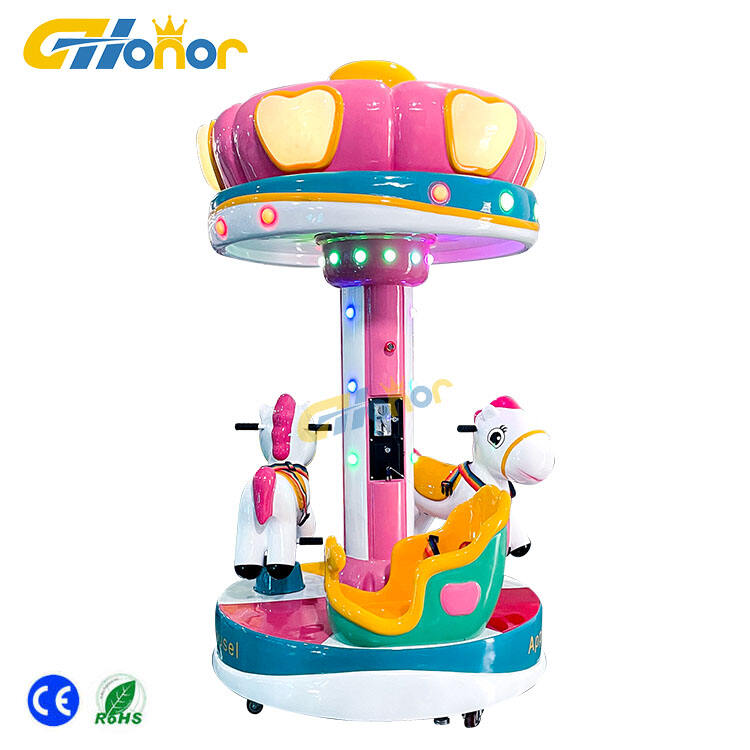
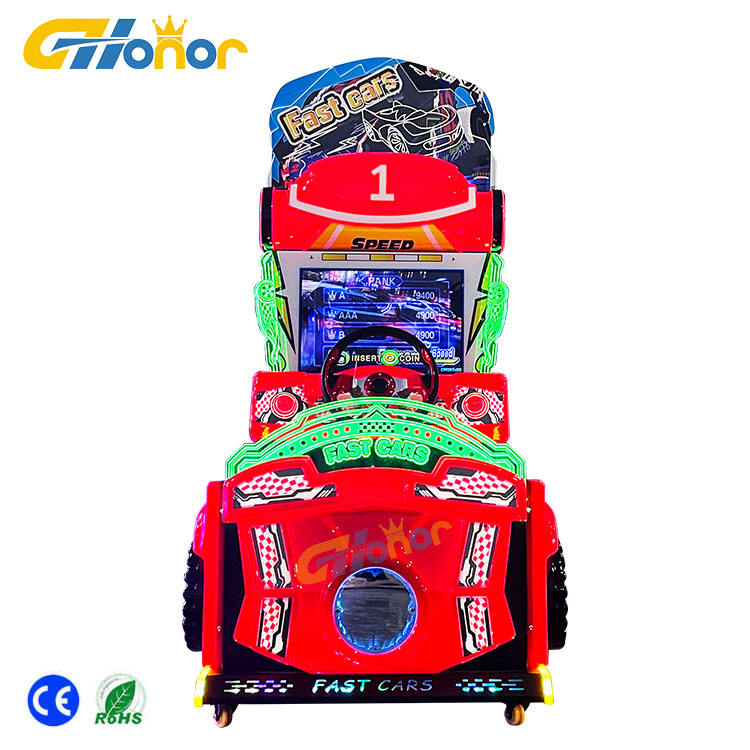
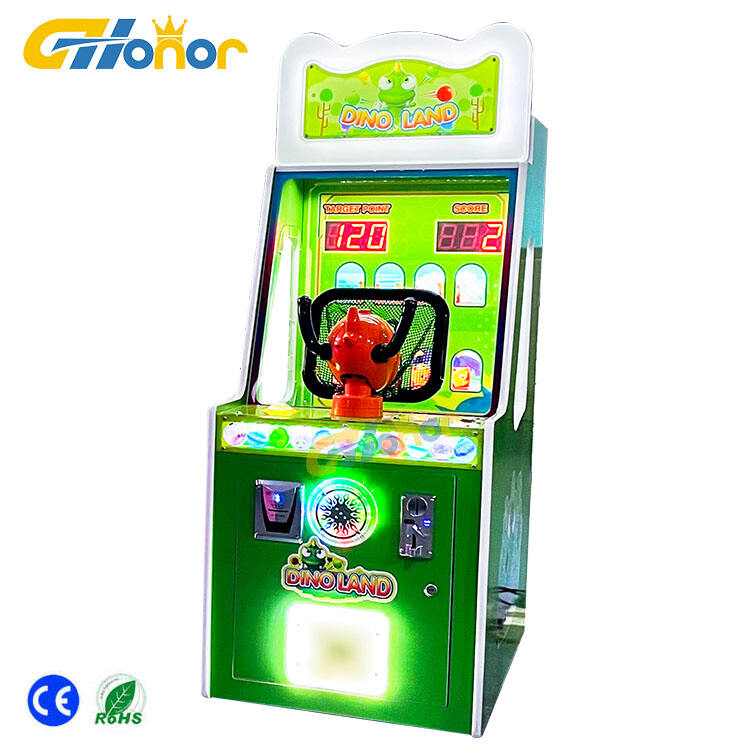
G-Honor's products like game simulators and racing arcade machines fall into video game equipment. Using advanced technology and professional design, they offer rich gaming experiences. Exported globally, they meet international standards with CE certification, serving the global video game market.
Get A Quote

Advantages

Rich Gaming Experiences

Video game equipment, such as simulators and racing arcades, offers diverse gameplay experiences, from action to simulation, catering to varied player preferences and enhancing venue appeal.

Global Market Acceptance

Exported worldwide, video game equipment meets international standards and holds CE certification, ensuring acceptance in global markets and compliance with local regulations.

Regular Content Updates

G-Honor updates video game content and features regularly, keeping equipment engaging and relevant, reducing obsolescence and maintaining customer interest.

Related products

Video game design is the creative and technical process of crafting the rules, mechanics, systems, and experiences that define a video game, focusing on how a game plays, feels, and engages players. It involves balancing creativity with functionality, ensuring that gameplay is enjoyable, challenging, and meaningful, while aligning with the game’s narrative, art style, and target audience. At the core of video game design is the gameplay loop—the repetitive cycle of actions that keeps players engaged. This loop consists of goals (what players aim to achieve), actions (how they pursue those goals), and rewards (what they gain for success). For example, in a role-playing game (RPG), the loop might involve accepting a quest (goal), fighting enemies to complete it (action), and earning experience points or loot (reward) that unlocks new abilities or items, motivating players to repeat the loop. A well-designed loop is satisfying but not repetitive, with enough variation to maintain interest over time. Game mechanics are the specific rules and interactions that govern gameplay. These include movement (e.g., jumping, running, flying), combat systems (e.g., melee attacks, shooting, magic), puzzle-solving (e.g., logic puzzles, environmental challenges), and resource management (e.g., collecting currency, managing health or ammunition). Mechanics must be intuitive to learn but offer depth for mastery—simple enough for new players to understand, yet complex enough to reward skill and strategy. For instance, a platformer’s jump mechanic might have variable height based on how long the button is pressed, allowing beginners to make basic jumps while skilled players use precise timing for advanced maneuvers. Level design is a key component, involving the creation of environments where gameplay unfolds. Levels are structured to guide players through the game’s mechanics, gradually introducing new challenges and teaching skills without explicit tutorials. They balance linear paths (to progress the story) with optional areas (to encourage exploration) and include landmarks or visual cues to prevent confusion. For example, a puzzle game level might place clues in logical locations, leading players to solve problems through observation, while an open-world game’s level design uses terrain, weather, and landmarks to create a cohesive, navigable world. Narrative and storytelling in video game design integrate plot, characters, and world-building with gameplay, rather than separating story from action. Story can be delivered through cutscenes, dialogue, environmental details (e.g., abandoned buildings hinting at backstory), or player choices that affect the outcome. Characters are developed with distinct personalities and motivations, making players care about their fates, while the game world’s lore—history, cultures, and rules—creates immersion. Even games with minimal story (e.g., puzzle or sports games) benefit from a clear theme that ties elements together, such as a futuristic setting for a sci-fi racing game. Balancing difficulty is critical, ensuring the game is challenging but not frustrating. Difficulty curves gradually increase as players gain skills, with checkpoints or save points to prevent losing progress. Some games offer adjustable difficulty settings or dynamic difficulty, which adapts to player performance (e.g., making enemies easier if a player struggles). Accessibility is also considered, with options like customizable controls, subtitles, or color-blind modes ensuring the game is playable for diverse audiences. User interface (UI) design focuses on how players interact with the game’s systems, including menus, heads-up displays (HUDs), and inventory screens. A good UI is intuitive and unobtrusive, providing necessary information (health, score, objectives) without cluttering the screen. It uses consistent symbols, colors, and layouts to help players navigate quickly, with controls that are easy to learn and remember. Video game design is iterative, with designers testing ideas through prototypes, gathering feedback from playtesters, and refining mechanics, levels, or story based on what works. This process ensures the final game is a cohesive, enjoyable experience that resonates with players, blending creativity, psychology, and technical knowledge to create interactive entertainment that is both fun and meaningful.

Frequently Asked Questions

What defines G-Honor's video game equipment?

G-Honor's video game equipment includes high-performance processors, high-definition displays, and interactive controllers. These features deliver immersive gameplay comparable to home gaming consoles but optimized for commercial use.
Products offer diverse experiences: action-adventure games, sports simulations, puzzle games, and multiplayer competitions. This variety ensures engagement for casual players and dedicated gamers.
Video game products are exported via established logistics partners, with adaptations for local languages and electrical systems. CE certification facilitates entry into major markets, ensuring regulatory compliance.
Video game products hold CE, FCC, and RoHS certifications, confirming they meet international safety and environmental standards. These certifications ensure safe operation and reduce liability for operators.
G-Honor provides software updates for video game equipment, adding new levels, characters, and game modes. This ongoing content refresh keeps machines attractive to players and extends their commercial lifespan.

Related Articles

Virtual Reality Simulators: A New Era of Amusement

28

May

Virtual Reality Simulators: A New Era of Amusement

In the last few years, simulators with virtual reality (VR) headsets have come to the amusement and entertainment industry, providing fascinating experiences to people of all ages. Not only do these technologies capture the attention of users, but t...
View More
Benefits of Choosing High - Quality Game Machines

28

May

Benefits of Choosing High - Quality Game Machines

With high quality gaming machines comes advanced hardware components like stronger processors, state-of-the-art graphics cards, and high-capacity RAM. Top-notch gaming systems not only elevate the gaming experience, but come with numerous benefits f...
View More
Mini Claw Machine: Ideal for Small-Space Entertainment Venues

18

Jun

Mini Claw Machine: Ideal for Small-Space Entertainment Venues

Show business moves at lightning speed, so venues squeezed for room have to plan carefully for each inch. Mini claw machines have appeared as a fun, space-friendly answer. These tiny arcade grabbers keep customers smiling and offer operators an eas...
View More
Exploring the Immersive World of VR Gaming Simulators

18

Jun

Exploring the Immersive World of VR Gaming Simulators

Virtual reality (VR) gaming has come a long way in a short time, shifting from a quirky hobby to a popular way people play games. Powering this jump are VR gaming rigs that pull players deep into digital worlds and keep them riveted for hou...
View More

Customer Reviews

Ryan Adams
Rich and Engaging Experiences

The video game equipment offers diverse experiences, from action to simulation. Customers love the variety, and the advanced tech makes gameplay feel immersive and modern.

Joshua Baker
Regular Content Updates

G-Honor updates game content periodically, keeping the equipment fresh. This prevents customer boredom and ensures they keep coming back for new challenges.

Get a Free Quote

Our representative will contact you soon.
Email
Mobile
Name
Company Name
Message
0/1000
Versatile Venue Compatibility

Versatile Venue Compatibility

Suitable for arcades, entertainment centers, and family venues, video game equipment attracts diverse audiences, from casual players to enthusiasts, boosting venue traffic.
Video Game Design: Immersive Equipment for Gaming Venues