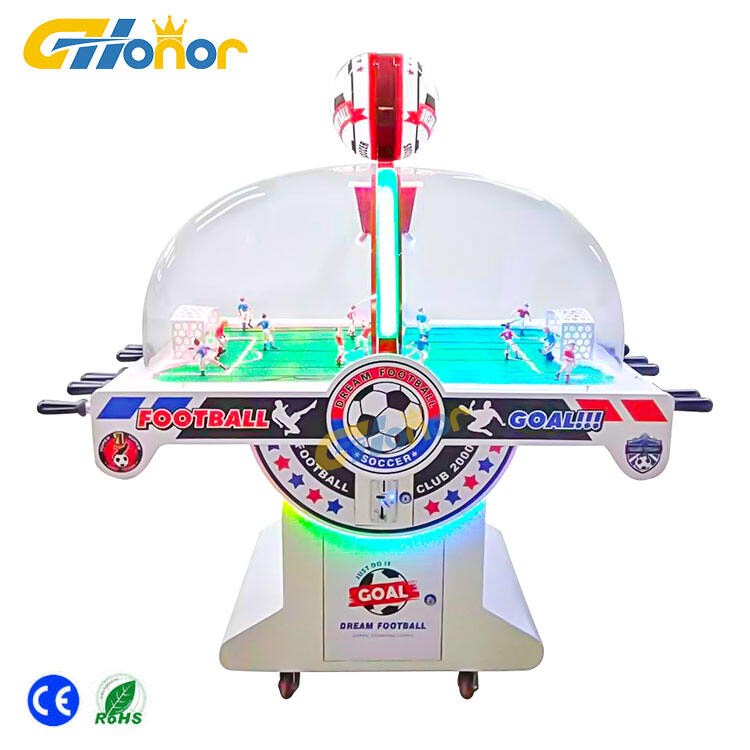
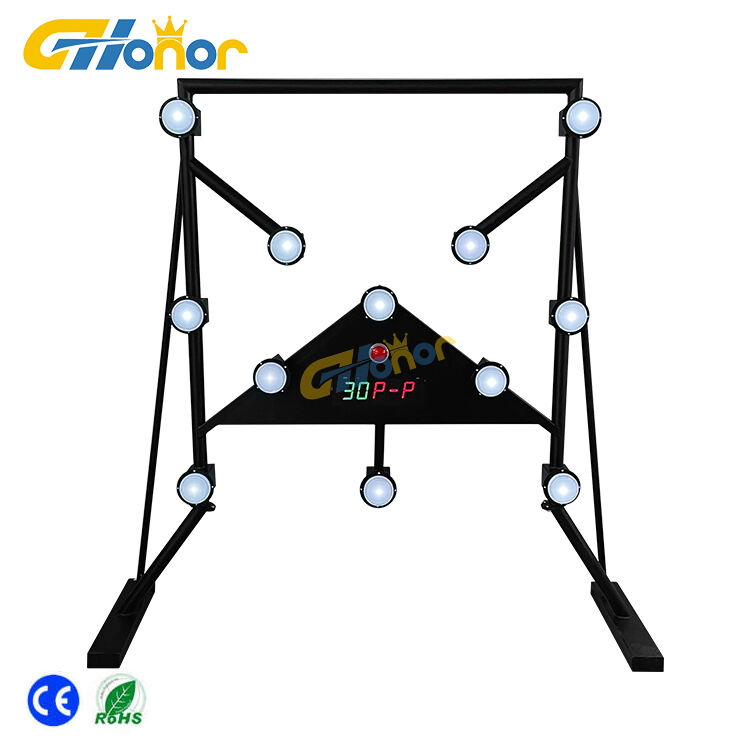
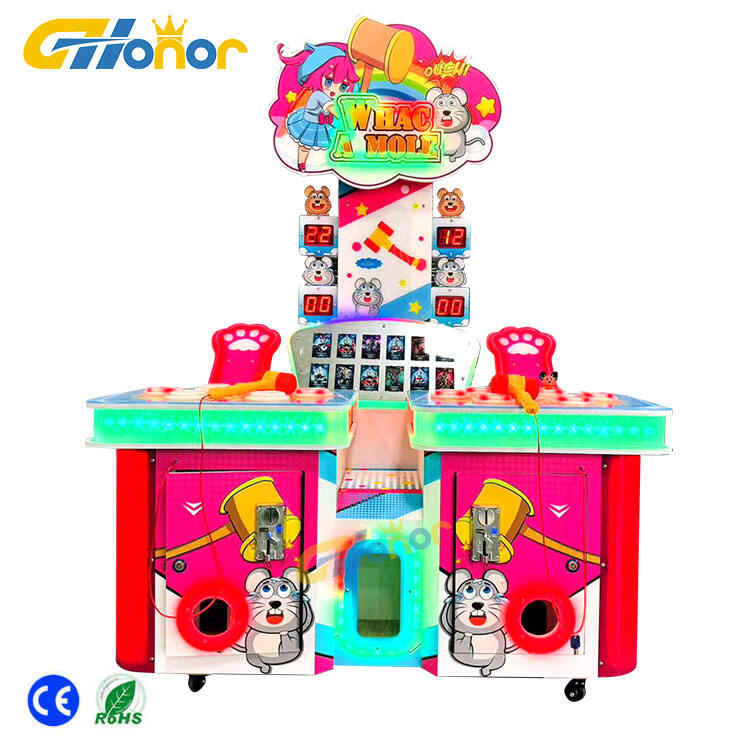
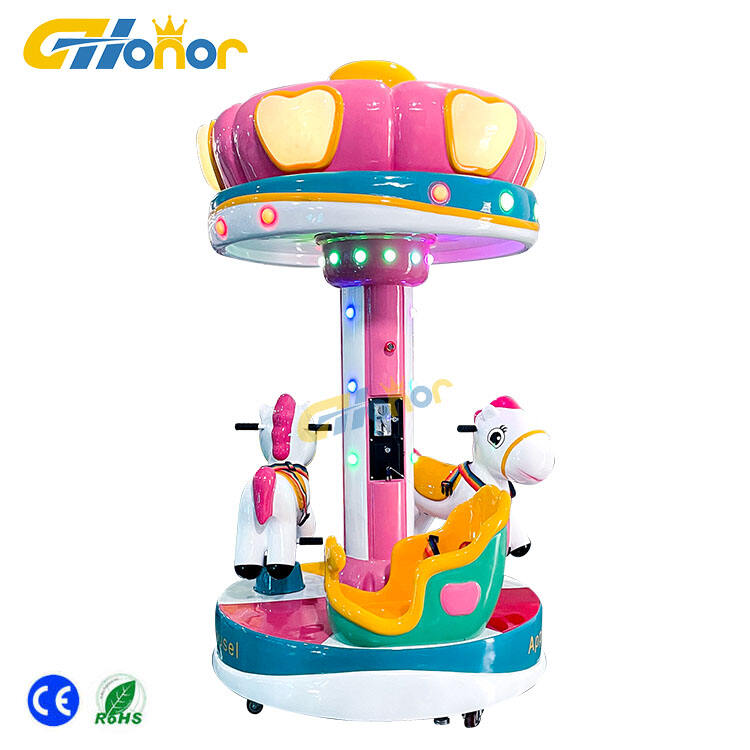
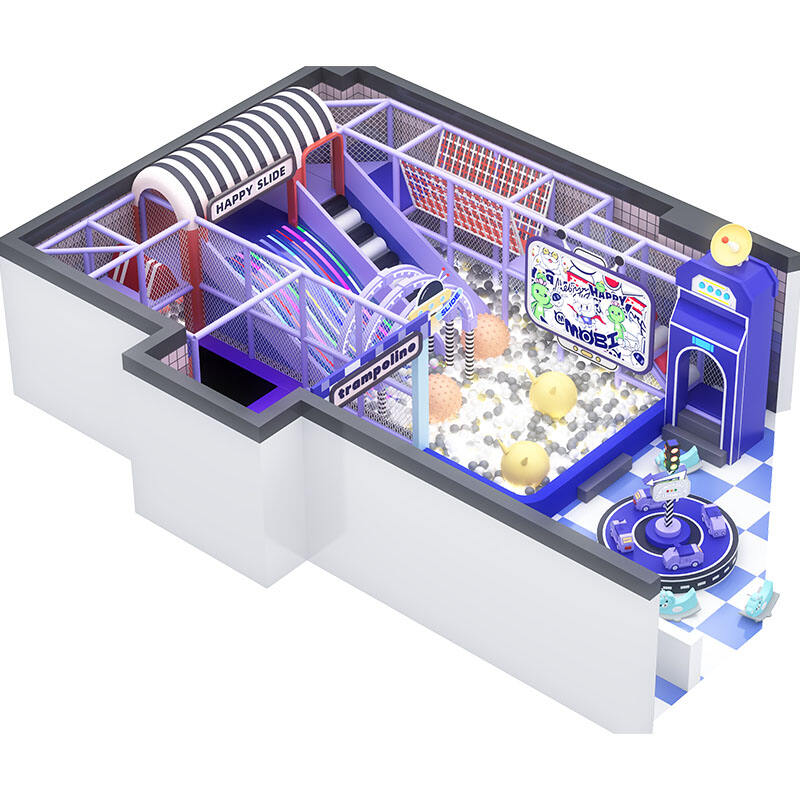
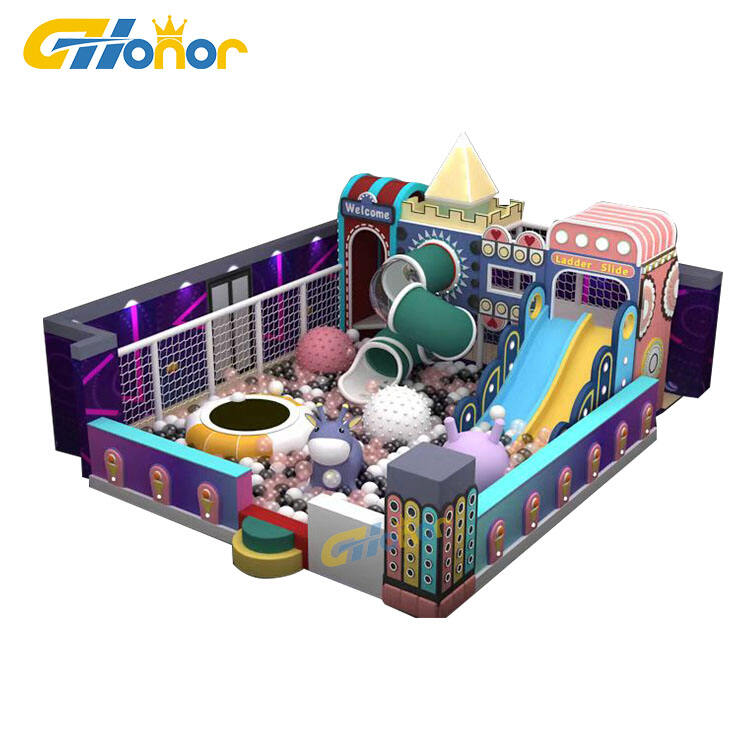
Playground games are structured or informal activities played by children in playground settings, designed to encourage physical activity, social interaction, creativity, and skill development through rules-based or imaginative play. These games leverage the playground’s equipment and open spaces, fostering teamwork, problem-solving, and friendly competition while adapting to different ages, group sizes, and available resources. Traditional playground games have been passed down through generations, often requiring minimal equipment and relying on physical movement and social dynamics. Examples include “Tag,” where one child chases others to “tag” them, promoting running and agility; “Red Light, Green Light,” a game of stop-and-go that teaches self-control and listening skills; and “Hopscotch,” played on a marked grid of squares, which develops balance and coordination. These games are simple to learn, inclusive, and adaptable to different group sizes, making them popular in schoolyards and community playgrounds. Equipment-based games utilize the playground’s structures to create unique challenges. “Monkey Bar Challenges” involve racing across monkey bars or performing specific moves (e.g., flipping, hanging upside down) to test strength and coordination. “Slide Races” pit children against each other to see who can reach the bottom first, while “Climbing Wall Competitions” encourage mastering different routes. These games turn equipment into tools for friendly competition and skill-building, motivating children to practice and improve. Imaginative and role-playing games transform the playground into a stage for storytelling, with children using structures as props—for example, a climbing fort becomes a “castle” in a fantasy adventure, or a slide becomes a “spaceship” in a sci-fi mission. “Cops and Robbers,” “Pirate Treasure Hunts,” and “Animal Safari” are examples of role-playing games that foster creativity, language development, and social collaboration as children assign roles, create rules, and solve imaginary problems together. Team-based games promote cooperation and strategy, such as “Capture the Flag,” where teams work to retrieve an opponent’s flag while defending their own, or “Relay Races,” which require passing batons or completing tasks in sequence. These games teach communication, leadership, and sportsmanship, as children learn to work together toward a common goal. Playground games often evolve with trends and technology, incorporating elements like dance challenges or obstacle courses inspired by video games, but they remain rooted in physical interaction and social connection. By combining fun with developmental benefits, playground games make playtime purposeful, helping children build physical skills, emotional resilience, and social bonds.
 EN
EN