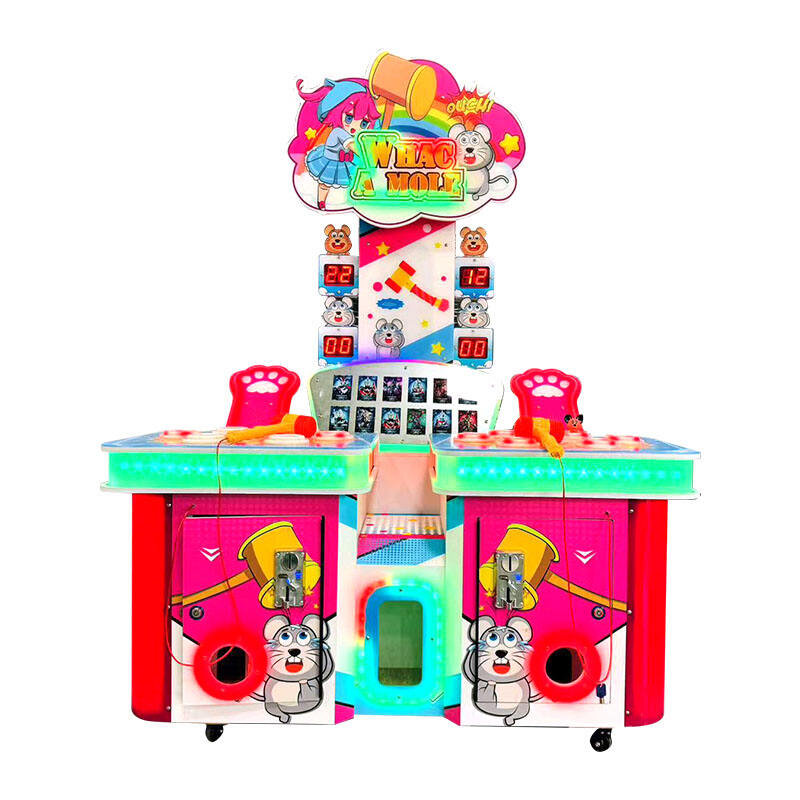
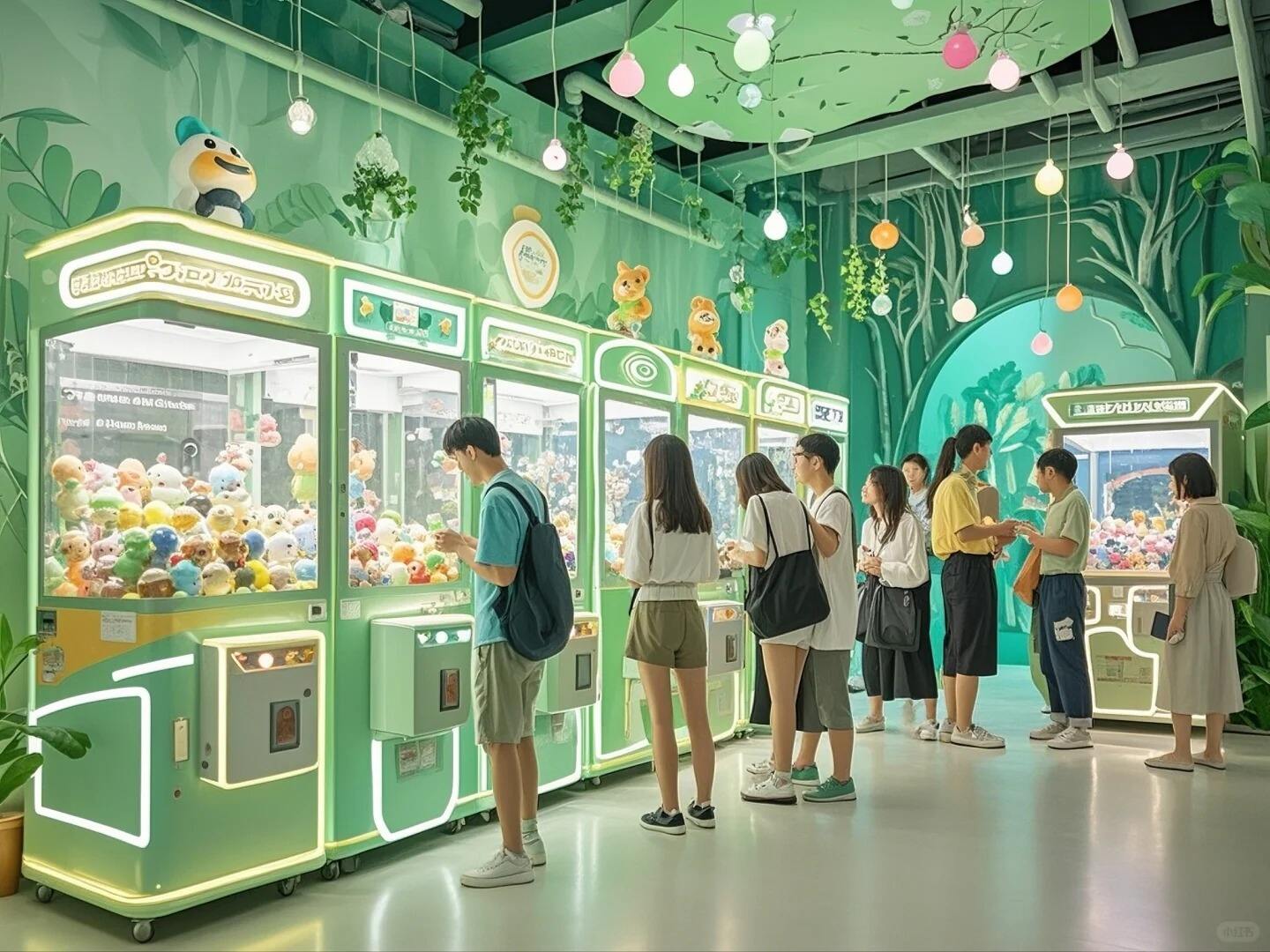
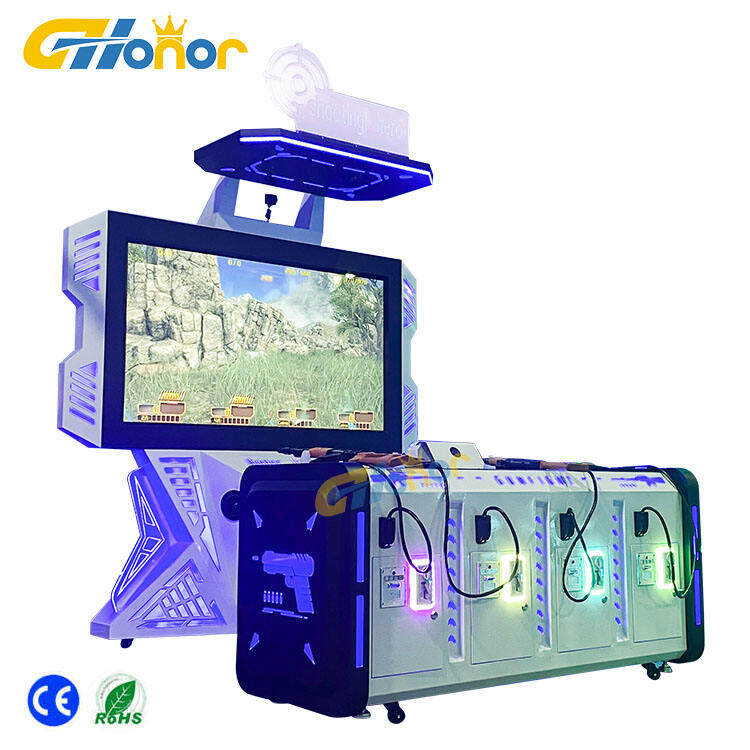
A classic arcade machine refers to a vintage gaming device that rose to prominence from the 1970s to the 1990s, embodying the golden era of arcade gaming with iconic titles, distinctive design elements, and simple yet addictive gameplay. These machines are celebrated for their cultural impact, nostalgic value, and enduring ability to entertain, making them beloved by collectors, enthusiasts, and casual players alike. The hardware of a classic arcade machine is characterized by its simplicity and durability. Most feature a wooden or metal cabinet housing a cathode ray tube (CRT) display, which produces the warm, glowing visuals synonymous with retro gaming. Controls are minimal and intuitive, often consisting of a single joystick and one or two buttons, though some games introduced specialized inputs like trackballs (Centipede), spinner knobs (Tempest), or flight sticks (After Burner). The internal electronics include a printed circuit board (PCB) that runs the game software, along with power supplies and audio amplifiers that generate the distinctive chiptune music and sound effects—simple, repetitive melodies that have become iconic in their own right. Classic arcade games prioritize straightforward mechanics with increasing difficulty to drive replayability. Examples include navigating mazes (Pac-Man), shooting waves of enemies (Space Invaders), jumping over obstacles (Donkey Kong), or competing in 1v1 battles (Street Fighter II). These games rely on high-score systems, limited lives, and pattern recognition, encouraging players to refine their skills and beat previous records, often displayed on a physical scoreboard attached to the machine. Cabinet art is a defining feature, with hand-painted or printed graphics that advertise the game’s theme, featuring bold colors, dynamic illustrations, and character designs that attract players from across the arcade. This art is not merely decorative but integral to the machine’s identity, with images like Pac-Man’s ghosts or the intergalactic invaders from Space Invaders becoming instantly recognizable cultural symbols. Today, classic arcade machines are preserved through restoration, with enthusiasts repairing or replacing aging components (CRTs, PCBs, controls) to maintain authenticity. Reproduction machines are also produced, using modern components (LCD screens, solid-state drives) while retaining the original cabinet design, artwork, and gameplay to appeal to new generations. These machines are used in retro arcades, themed restaurants, events, and private collections, serving as both entertainment devices and pieces of gaming history. The enduring popularity of classic arcade machines lies in their ability to deliver uncomplicated, accessible fun that transcends age and technology, reminding players of the joy of early gaming while remaining relevant in a world of complex, high-tech entertainment.
 EN
EN