 EN
EN
Establish a Strong Themed Identity for Your Indoor Amusement Park
Anchor the Experience with a Cohesive Narrative Framework
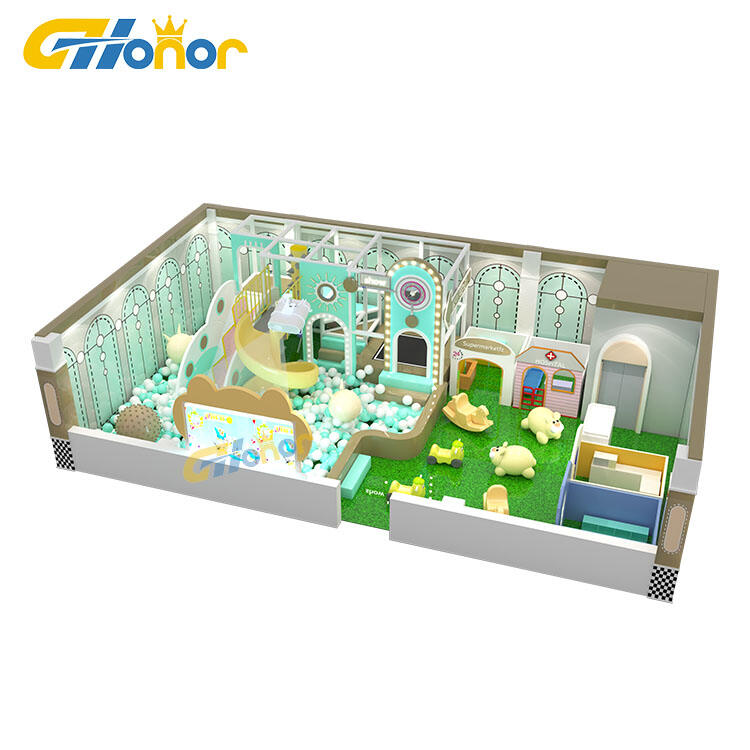
When an amusement park has a single unifying theme, it stops being just a bunch of random rides and becomes something special - almost like stepping into another world entirely. Pick out a strong central story idea, maybe something magical or adventurous or based on real history, and let that story show through everything in the park. The buildings should look right for the theme, the ride names need to fit too. People tend to remember parks better when there's this kind of consistency throughout. According to the Entertainment Trends Report from last year, parks using these kinds of storytelling approaches saw about 40 percent more visitors coming back. That makes sense because visitors create these mental pictures of where things are located within the bigger story. Don't settle for boring designs either. Create unique themes like mystical forests or interstellar journeys and make sure those themes appear everywhere possible, from the signs people see to the background music they hear and even what the staff wears while working.
Use Storytelling to Enhance Emotional Engagement Across Attractions
Rides shouldn't just give people heart-pounding excitement. They need stories that grab hearts too. Take a simple pirate ship ride. When we add interactive quests where riders search for hidden treasures and meet quirky characters along the way, suddenly it's not just about spinning around. The details matter too. Think about what visitors actually feel and smell while riding. Rustling leaves in a forest section or the tang of metal in steampunk themed areas really pulls guests into another world. According to recent research, theme parks that tell good stories keep visitors hanging around almost 60% longer because folks want to finish the whole adventure. Smart designers think about how attractions connect with each other. A regular carousel might seem boring at first glance, but if it introduces characters who appear again in later rides, it creates something special. People start caring about these fictional worlds and the characters within them, which makes their visit much more memorable.
Incorporate Multi-Sensory Immersive Attractions
Balance Visual, Audio, Tactile, and Scent Elements by Zone
When different senses are layered throughout various areas, people get much more immersed in the experience. The visuals matter a lot too - think about themed lighting, those eye-catching environmental graphics, and carefully chosen colors that set the mood. Then there's the sound stuff. Spatial audio systems help direct where visitors look and what stories they remember from their visit. Touch matters as well. Some places have walls with interesting textures or even haptic feedback devices along waiting lines so folks stay engaged instead of getting bored. And let's not forget smells! Certain scents float through the air depending on where someone is. Pirate ship sections might smell like saltwater, while family areas often carry the sweet scent of cotton candy. These multisensory experiences really work wonders. Studies show people tend to spend about 40% more time in these kinds of spaces and feel the overall value is around 28% higher than just looking at things visually. That makes sense when we consider how our brains process information through multiple channels at once, creating stronger connections with whatever environment we're in.
Integrate Interactive Tech: Projection Mapping, Dynamic Floors, and AR-Enhanced Rides
Today's attractions are blending the physical world with digital experiences using all sorts of responsive tech. Take projection mapping for instance it transforms buildings and walls from boring backgrounds into living stories. Imagine standing in front of a wall that suddenly cracks apart during an earthquake simulation or watching flowers grow out of concrete as part of some botanical display. Then there are those pressure sensitive floors that react to guests movements. Walk across one and leave behind ripples in water effects in magical areas, or step on paths that crumble away as if walking through ancient ruins. Many parks now use AR technology to enhance rides by adding digital elements right onto what people see around them. Visitors can pick up virtual items while riding through dark attractions or play games where they hunt for hidden treasures throughout the park. Parks that combine at least two different interactive technologies tend to get about 35 percent more buzz online. People love sharing these unique, personalized experiences with friends and family after their visits.
Optimize Layout and Circulation for Guest Flow and Safety
Design Intuitive Spatial Planning to Minimize Congestion and Dwell Time
Good spatial planning helps cut down on traffic jams by looking at how people move during busy hours. Keeping paths between attractions around four to six feet wide makes it easier for folks to get around without bumping into each other. Big rides that can handle lots of people should go close to where visitors enter, so crowds spread out better across the park. Quieter areas like gardens or museums work well in the outer parts where there's less foot traffic. Parks that organize their spaces this way often see a drop in how long guests feel they're stuck waiting, sometimes around 22% according to some studies. Color themes for different sections help people find their way without needing signs everywhere. The whole layout acts like an invisible map guiding people from one spot to another, letting them experience more things without getting lost or going in circles.
Embed Safety Features Seamlessly into Themed Architecture and Pathways
Safety needs to blend right in as part of the design fabric. Think about hiding emergency exits behind castle wall features or adding subtle non-slip surfaces on those jungle themed paths without anyone noticing. Pathways should slope gently, around five degrees max, so they're accessible for everyone according to ADA guidelines but still feel natural within the theme. Lighting along these paths is important too - recessed lights keep things safe at night while not ruining the atmosphere guests expect. Some parks use dynamic floor markings that only appear when crowds get heavy, guiding people away from congested spots without causing panic. Studies show this kind of integrated approach cuts down accidents by about 18 percent compared to places where safety equipment sticks out like sore thumbs. Guests stay safe and the overall experience remains intact because nobody wants to see industrial looking stuff ruining the magic.
Ensure Inclusive Accessibility Across Ages and Abilities
When planning an indoor amusement park, making sure everyone can enjoy it should be at the top of the list. The park needs paths that wheelchairs can handle easily, with gentle slopes instead of steep ramps, plus wider lines so people don't feel crowded waiting. Some floors have special textures underfoot that help folks who are blind or have low vision know where they're going. For kids and adults on the spectrum, there are quiet corners with softer lights and less noise bouncing around, something parks have started adding after talking to experts about what works best. Signs throughout the park use pictures along with words in bold colors so non-native speakers still get the message. There are also raised platforms near rides where staff can help move someone from their wheelchair onto the ride safely. All these little touches mean toddlers taking first steps, grandparents catching up with grandkids, and anyone recovering from surgery can all have fun side by side. A park built this way isn't just somewhere to spend money; it's where families actually want to come back again and again because nobody gets left out.
FAQ Section
What is the importance of a cohesive theme in an indoor amusement park?
A cohesive theme helps create a memorable experience by turning random rides into a unified, immersive world, encouraging repeat visits and emotional connections.
How does storytelling enhance rides at the amusement park?
Storytelling adds emotional engagement to rides by providing narratives, interactive quests, and sensory elements, making them more than just physical features.
Why incorporate multi-sensory attractions in theme parks?
Multi-sensory attractions engage different senses, making experiences more immersive and memorable, ultimately increasing the time and value guests perceive during their visit.
What role does interactive technology play in modern theme parks?
Interactive technology like projection mapping, dynamic floors, and AR add digital elements, enhancing the physical environment and creating personalized guest experiences.