 EN
EN

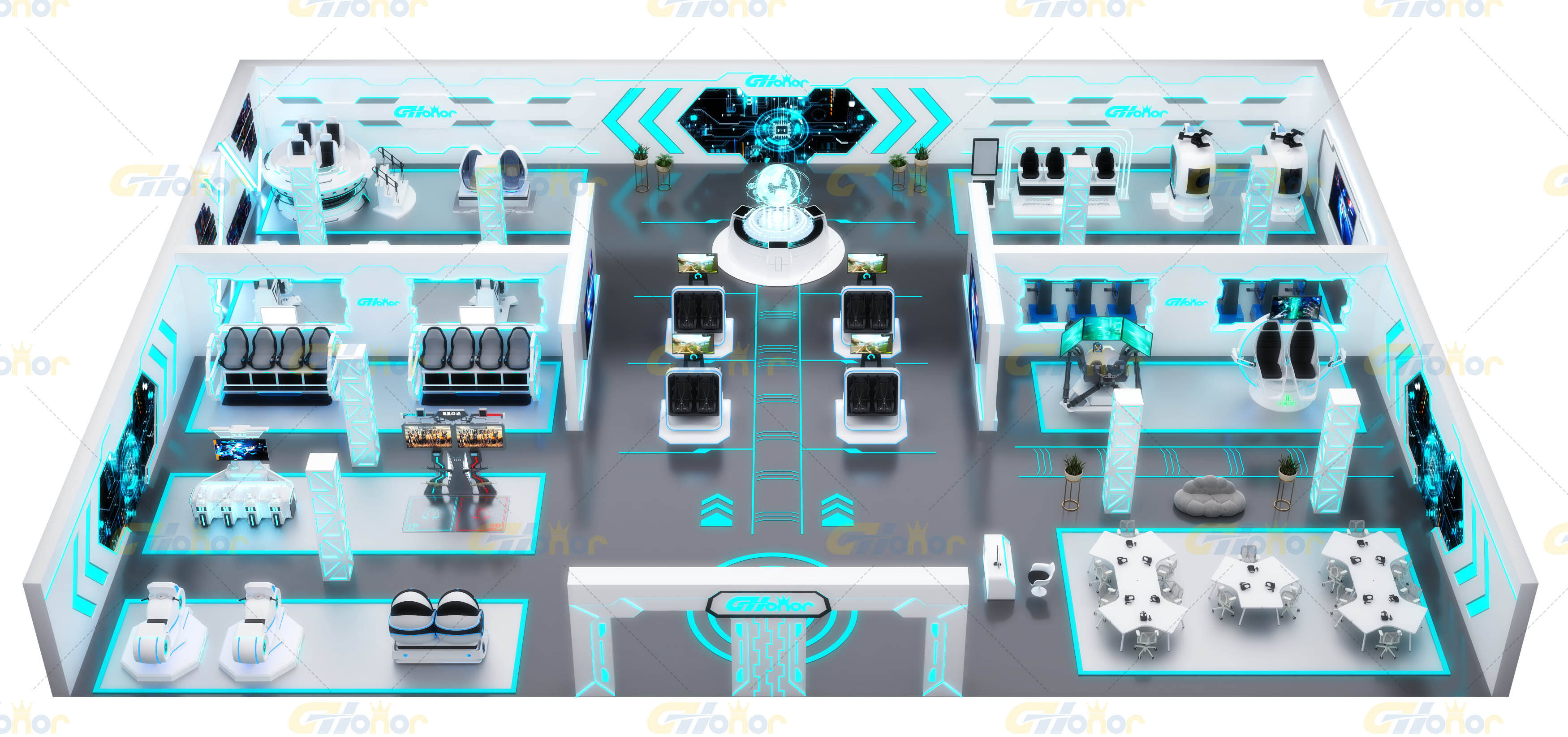
Immersive Technology Driving Next-Gen Amusement Park Experiences
Theme parks are revolutionizing guest experiences through cutting-edge immersive technologies. Augmented reality (AR) and virtual reality (VR) transform traditional rides into multi-sensory journeys, while interactive storytelling empowers visitors to shape narratives—shifting entertainment from passive observation to active co-creation in response to rising demand for personalized, participatory experiences.
Augmented and Virtual Reality Integration in Rides and Queues
Augmented reality and virtual reality tech helps beat those long lines at theme parks by making waiting time feel like part of the show itself. When guests put on those VR goggles, they're instantly transported into amazing digital environments that move along with whatever physical motions are happening around them. Think flying dragons soaring through fantasy realms or battling aliens in outer space with vibrations that make it all feel real. The magic doesn't stop there either. Ride operators use projection mapping to transform ordinary roller coaster cars into magical carriages or futuristic spaceships right before our eyes. According to numbers from IAAPA, these mixed reality experiences cut down how long people think they've been waiting by about 40 percent. Plus, park managers report better guest satisfaction ratings across pretty much every important measure they track.
Interactive Storytelling and Guest Agency in Theme Park Attractions
The latest attractions give visitors real control over stories through gestures, touch screens, and those cool RFID gadgets they hand out at the entrance. People actually get to choose what happens during rides sometimes, like picking which path their adventure takes, and the whole environment changes right before their eyes based on those choices. Some parks even have magical wands that light up fountains when waved around, while special compasses point out secret augmented reality stuff connected to the park's backstory. When folks feel like they're part of the story instead of just watching it unfold, they tend to come back for more. A recent survey from last year showed something interesting too: nearly eight out of ten guests said they enjoyed themselves much more when they could influence how the tale went, according to this thing called the Entertainment Experience Index.
| Technology | Application Example | Guest Impact |
|---|---|---|
| AR Overlays | Animated characters in queues | 32% wait-time perception drop |
| Branching Narratives | Choose-your-adventure dark rides | 45% higher re-ride intent |
| Haptic Integration | Wind/water effects synced to VR | Immersion depth increase 4x |
The shift toward immersive tech reflects a broader evolution: modern amusement parks now leverage digital innovation not just to enhance rides, but to build memorable, participatory worlds—turning single-day visits into recurring adventures.
Personalized Guest Journeys Through Digital Transformation
AI-Powered Apps, Dynamic Pricing, and Predictive Queue Management
Mobile apps powered by artificial intelligence act like smart assistants at theme parks, looking at what people have done before and current conditions to plan better schedules, change ticket prices when needed, and figure out where crowds will be thick or thin. These tech systems cut down waiting times during busy hours by around 40 percent according to studies, plus they guess what visitors want next such as which rides to go on first or when to grab lunch even before anyone says anything about it. What we end up with is an experience that flows smoothly without hiccups, making each encounter feel almost magically planned out just right. This transforms the whole amusement park trip from something basic and routine into something really special and tailored specifically for individuals who come through those gates.
Contactless Operations and Health-Safe Tech Enhancing Amusement Park Trust
These days, contactless tech is basically running the show at modern theme parks. Think about it: people can order food through their phones, pay at kiosks just by tapping their cards, walk through gates that scan faces instead of tickets, and even see those fancy UV-C cleaning robots zipping around between rides. When paired with digital health credentials, all these gadgets make getting into the park super smooth while still keeping everyone safe. The whole setup tackles those lingering worries folks have after everything that happened during the pandemic. Families feel better knowing their kids aren't touching dirty surfaces everywhere. And this isn't just about fun anymore either. Parks are slowly becoming places where parents actually want to bring their children again because they know the management cares about health and safety as much as the rides themselves.
Themed F&B Innovation as Integral Amusement Park Entertainment
Food and drink experiences at theme parks have come a long way from just being places to grab a quick bite. They're now central parts of the overall entertainment package. Think about those limited time events we see popping up seasonally - like haunted restaurants during Halloween or tasting menus inspired by comic book heroes. These special offerings give guests another reason to come back and spend more time onsite. The whole experience tells a story through every detail: fonts on menus match the theme, staff wear appropriate outfits, background music sets the mood, and buildings themselves look like they belong in the world they represent. Take a pirate themed eatery for example. Some actually put treasure maps on tablecloths and let diners order using tablet devices styled like captain's logs. When everything works together like this, people naturally want to share their experiences online. Parks that combine food service with entertainment report around 40% more spending per person compared to those that don't. So it makes sense why creative dining has become just as important for building brand loyalty and making money as roller coasters and live shows ever were.
Beyond IP: Unique, Year-Round, and Overnight Amusement Park Offerings
Original Intellectual Property and Immersive Themed Lands
Big name franchises still bring in serious cash, but top theme parks are putting more money into creating their own stories and characters these days. The reason? To build something unique that can be licensed across different platforms. When parks develop their own themed areas from scratch, they get total creative control, save on those pesky royalty fees, and create experiences that actually connect with visitors emotionally. Combine this with things like restaurants that match the theme, hands-on attractions, and narratives driven by characters, and suddenly we're talking about full blown worlds instead of just pretty settings for existing brands. What's interesting is how this strategy shows park operators believe in their own brands for the long haul. Instead of just being places where other people's stories happen, these parks are becoming actual storytellers themselves.
Seasonal & Niche Experiences (e.g., Haunted Attractions, Winter Festivals)
Seasonal programming strategies keep places relevant long after summer ends. According to industry data from 2023, Halloween events bring in about 30% more spending per person compared to regular operations. Winter festivals with ice sculptures, holiday markets, and light shows draw families during the slower months too. Special events like food festivals, live music nights, and camping packages under the stars create different income sources throughout the year. These temporary attractions encourage people to come back again and again because they offer something new each time. Parks become much more than just summertime destinations when they have these varied experiences happening all year round.
Sustainable Operations and Eco-Conscious Amusement Park Development
These days, when building new amusement parks, green thinking starts right from the blueprints—not something added later as an afterthought. Roller coasters are getting regenerative braking systems that actually grab back some of the energy when they slow down. Many parks also have these solar powered mini grids running alongside regular electricity sources, cutting down on traditional power needs by about 40%. The stuff they build with is changing too. More and more recycled metals and plant based composites are showing up in construction materials. This helps cut carbon emissions over time by roughly 25 to maybe even 30%, all while keeping things strong enough to meet those strict ASTM safety rules. Smart tech plays its part too. Parks use AI systems to manage resources better. Real time sensors help save water in those fancy landscaped areas around the park, and automatically tweak heating and cooling systems throughout different buildings. About two thirds of families visiting parks today care a lot about how eco friendly the place is when choosing where to go. So smart park operators aren't just following regulations anymore—they see going green as their real edge in competition. It builds customer loyalty and matches what many visitors value most these days.
FAQ Section
How is immersive technology changing amusement park experiences?
Immersive technology such as AR and VR transform traditional rides into interactive, multi-sensory journeys that empower guests to influence their experiences actively.
What technological advancements are in place to reduce wait times at theme parks?
Augmented and virtual reality, along with AI-powered predictive queue management, help transform wait times into engaging experiences and decrease waiting durations by approximately 40%.
How have food and beverage experiences evolved in theme parks?
Theme parks now offer themed dining experiences as integral parts of entertainment, providing creative dining options that align with park themes and elevate guest interaction and spending.
What role does sustainability play in modern amusement park development?
Sustainability is integral in park development, with efforts including regenerative braking systems, solar-powered grids, and eco-friendly construction materials that reduce carbon emissions and appeal to eco-conscious visitors.
Table of Contents
- Immersive Technology Driving Next-Gen Amusement Park Experiences
- Personalized Guest Journeys Through Digital Transformation
- Themed F&B Innovation as Integral Amusement Park Entertainment
- Beyond IP: Unique, Year-Round, and Overnight Amusement Park Offerings
- Sustainable Operations and Eco-Conscious Amusement Park Development
- FAQ Section