 EN
EN

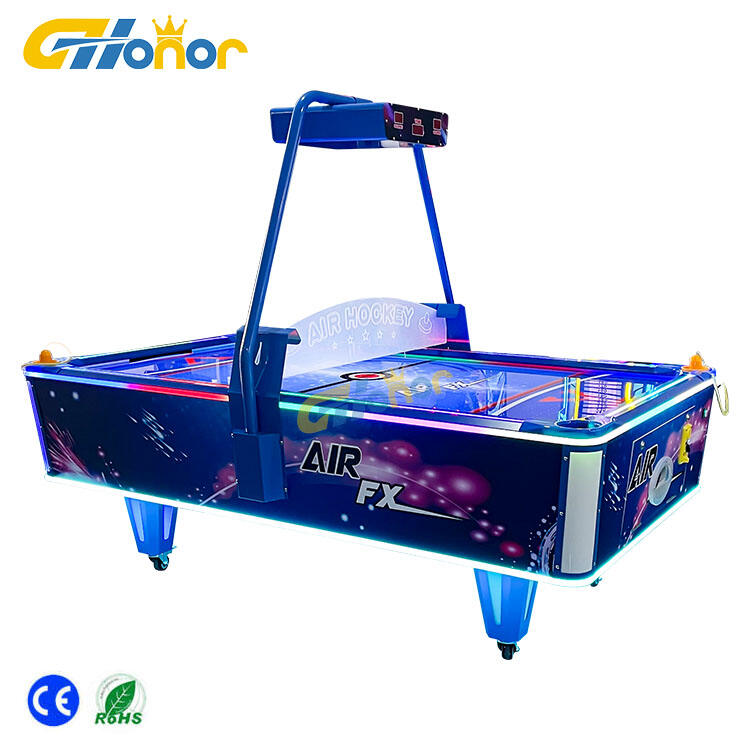
Essential Physical Skills for Air Hockey Performance
Hand-Eye Coordination and Real-Time Puck Tracking
Getting good at air hockey really depends on having solid hand-eye coordination so that what we see translates into accurate mallet moves. The puck can zip across the table pretty fast sometimes, over 25 miles per hour actually, so players need to read where it's going and shift their position accordingly almost instantly. What separates decent players from great ones is how they turn those last minute blocks into opportunities to strike back. A pro player will often grab a shot mid-air and then immediately be ready to push forward again. Practice definitely helps here. The more someone plays, the quicker their brain connects what they're seeing with their hands moving, which makes everything happen smoother during actual games.
Reaction Time, Reflexes, and Precision Under Pressure
Top level play really depends on those lightning fast reactions and well-tuned reflexes. Facing off against quick fire shots means hockey players have to figure out where the puck is going, how it's spinning, and what kind of bounce it will make all within about half a second before they can throw up those near perfect blocks. The body needs amazing control for this stuff, particularly when games are tied late and any delay costs points on the scoreboard. Practice sessions with random shooting patterns help athletes turn their gut instincts into smart defense moves while still keeping an eye on attack options. These exercises build reliability even when things get tense and chaotic out there on the ice.
Cognitive Skills That Elevate Air Hockey Strategy
Reading Opponent Patterns and Anticipating Puck Trajectories
Elite players need more than just fast hands when it comes to the game. Their brains are working overtime too, constantly figuring out where that puck is going to go next. Watch how pros pick apart their opponents' tells - some guys always favor certain shooting spots, others tend to drift back when under pressure. Take the guy who moves his body to the left side just before launching a cross table shot. A good player sees that little shift and already has their mallet positioned for the counter. Studies have shown something pretty interesting here. Players who read these tiny signals cut down on goals against by around 40%. Makes sense really. When you spot those clues in someone's stance or how they're handling the puck, you get a head start on what's coming. That kind of thinking gives them an edge over rivals who wait until they see the actual shot. Prediction matters almost as much as being able to react quickly in this sport.
Calculating Bank Shots and Angles Using Spatial Reasoning
The ability to understand space really matters when it comes to making those tricky bank shots and stopping opponents from doing the same. Pros visualize how the ball will bounce around the table, figuring out things like hitting at about 75 degrees on the cushion so it goes diagonally past reach into the far pocket. What makes this work? A mix of seeing distances clearly, guessing how fast balls move, and just having a good feel for shapes and angles. Research indicates that top players actually spend roughly two thirds of their time waiting for defense thinking ahead about attack options instead of just reacting. When someone gets good at reading the table like this, the whole surface becomes almost like a chessboard. Every little spot matters because controlling these areas often decides who wins in the end.
Integrated Offensive and Defensive Air Hockey Techniques
Effective Offensive Plays: Drifting, Complementary Shots, and Transitions
Good offensive play combines drifting moves, varied shooting options, and smooth transitions between them. When players slide laterally across the ice before suddenly pushing toward the net, it throws off the timing of defenders trying to read their intentions. Mixing things up works too - sometimes taking those hard low shots at the five hole, other times lifting pucks over the shoulder of goalies creates confusion among backchecking defenders. The key is making sure these different approaches flow together naturally. Research from Table Sports Dynamics shows that if there's even half a second delay between moves, scoring opportunities drop by almost 40%. Elite athletes don't just execute one trick after another randomly. They string techniques together strategically, like starting with a deceptive corner shot then immediately following up with a powerful slapshot right down the middle where defensemen have shifted their attention. Practicing with constantly changing speeds and angles helps keep opponents guessing what comes next, which builds sustained pressure on the opposing team's defense throughout games.
Proactive Defense: Triangle Positioning, Recovery Timing, and Shot Blocking
Good defensive play starts with three main things: proper positioning, quick recovery, and solid blocking. Stand in a triangle shape, keep the mallet in front, feet about shoulder width apart, and watch both where the puck is going and what the other player is doing with their mallet. This helps cover all seven areas around the goal better. When someone blocks a shot, they need to get back into position fast, maybe within half a second or so, just to be ready if there's another attack coming right after. Different kinds of shots require different responses. For straight shots, push them toward the corners. Catch bank shots when they come off the wall at their highest point. And when facing drift shots, move sideways early before the ball gets too far. Players who can tell what kind of shot is coming based on how the puck spins tend to let fewer goals in overall. We've seen teams cut down on conceded goals by about a third this way. Combine all these defensive skills with good offensive moves, and teams maintain control throughout long stretches of play.
Frequently Asked Questions
What is the importance of hand-eye coordination in air hockey?
Hand-eye coordination is crucial in air hockey as it allows players to accurately translate what they see into precise mallet movements, essential for tracking and striking the fast-moving puck.
How can players improve their reaction time in air hockey?
Players can enhance their reaction time through practice sessions with random shooting patterns, which help develop quick reflexes and smart defensive moves even under pressure.
Why is predicting opponent patterns vital in air hockey?
Anticipating opponent patterns allows players to position themselves strategically, reducing the chances of conceding goals and gaining a competitive edge over their rivals.
How does spatial reasoning benefit air hockey players?
Spatial reasoning assists players in calculating angles and executing bank shots effectively, turning the air hockey table into a strategic field much like a chessboard.
What are some key defensive techniques in air hockey?
Key defensive techniques include triangle positioning, quick recovery after blocking shots, and understanding different shot types to maintain control over the game's flow.