 EN
EN

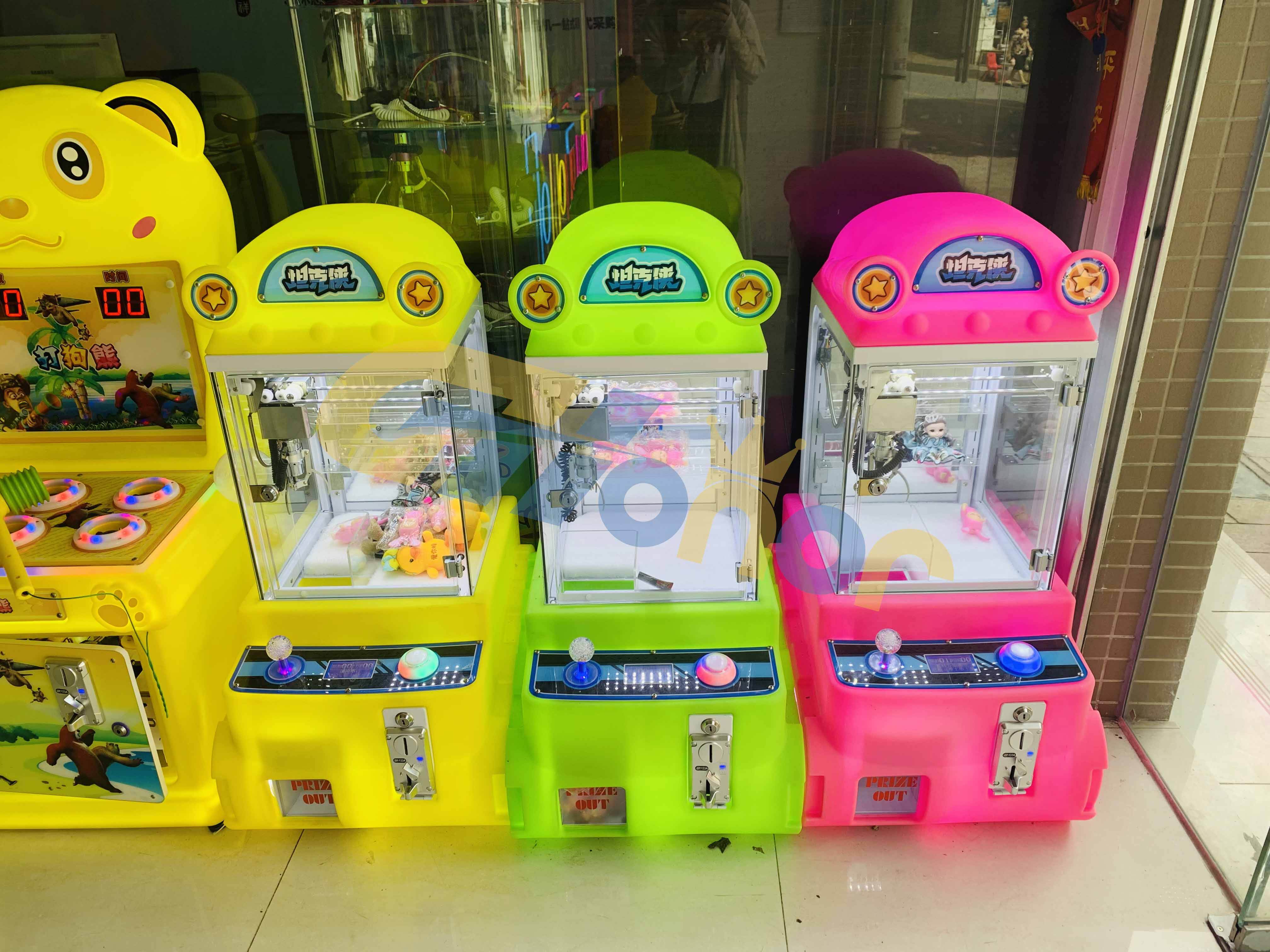
The Global Rise of Claw Machines in Urban Entertainment
Claw Machines as a Cultural Phenomenon in South Korea's 'Picking Up a Doll Rooms'
South Korea has taken claw machines way beyond just arcade games, turning them into something called "doll rooms" that people actually gather at for fun. These places mix game elements with collecting stuff, so playing becomes something everyone can enjoy together. Casual folks stop by sometimes, while others get really hooked on trying to grab those cute prizes. Around two thirds of Seoul's entertainment areas have these spots nowadays, which probably explains why the worldwide claw machine business is worth about 2 billion dollars according to industry reports. For cities packed with people, doll rooms fill a real need for fun activities where folks compete against each other, get physical rewards when they win, and often end up chatting with strangers who share similar interests.
Global Variations in Claw Machine Design and Placement Across Cities
Claw machines get tweaked all over the world based on what people actually want to play with. The Japanese version? Super techy stuff with adjustable claws for those who love getting precise. Meanwhile across the pond in America, arcades go all out with these flashy displays full of cute stuffed animals that look great for Instagram photos. Walk through any mall in Southeast Asia and chances are good there's a claw machine right next to the food court where hungry shoppers might drop a few bucks on luck instead of lunch. This whole approach of making machines fit different regions has kept the industry growing at around 5 to 7 percent each year. Makes sense really - when something fits into how people live locally, they tend to stick with it longer.
The Evolution of Claw Machines in Modern Entertainment Ecosystems
Claw machines aren't stuck in those old school arcades anymore. These days they can be found all over the place - at airports, gas stations, and family fun spots everywhere. Modern versions come with QR code payment options so people don't have to fumble with coins, plus smart tech that adjusts how hard it is to grab prizes based on what's happening inside the machine. This makes them easier for everyone to use and gets folks coming back again and again. We're seeing these games pop up in all sorts of mixed use areas because city dwellers want something fast and rewarding when they have spare minutes. And thanks to internet of things technology, operators can track how well each machine is doing in real time and fix problems remotely without sending someone out every time something goes wrong.
How Kidult Culture Drives Nostalgia-Based Engagement With Claw Games
People between 25 and 44 years old make up around 43 percent of those who play claw machines these days. They get hooked on the same feelings they had as kids, plus there's something comforting about actually touching and manipulating the machine. Special edition items in these games really catch people's attention too. Think vintage anime collectibles or limited run plush toys from popular brands that collectors go crazy for. And when friends start playing together against each other, it turns into this fun little contest nobody can resist. What we're seeing now is pretty interesting actually. These arcade games that used to be just for kids are becoming something adults enjoy too. They connect our childhood memories with how we socialize today, kind of blending past and present in an unexpected way.
Psychological Drivers Behind Claw Machine Popularity
The Role of Suspense and Reward Anticipation in Player Motivation
The psychology behind claw machines is pretty fascinating actually. They work on these built-in triggers that keep people coming back for more. Most folks have probably noticed how often they get close but not quite make it - something happens about once every seven tries that makes them want to give it another shot. When that metal claw drops down, there's this real rush of excitement as dopamine levels jump around 72% from normal. This kind of reaction reminds me of those studies where animals press levers randomly because sometimes they get a treat. What really gets interesting though is what operators do with prize placement. They angle items right next to the exit chute so it looks like getting them might be possible even when they're not. This creates all sorts of anticipation and hope, but honestly doesn't change much about actual winning chances at all.
Claw Machines for Stress Relief and Escapism in Fast-Paced Urban Life
City folks often find themselves unwinding at those little claw machine games scattered throughout shopping centers and transit hubs. According to some research from 2022, roughly two thirds of grown ups who play these games say they feel like hitting mental reset when they're playing. The repetitive motion of moving the joystick back and forth plus the actual feeling of the buttons under finger tips creates something different than just staring at screens all day long. Researchers observed people in Tokyo's subway arcade areas and noticed something interesting too. After only three minutes with a claw machine, stress hormone levels dropped by about 22% compared to folks just standing around waiting. That suggests there might be real value in those old school mechanical games for our overall well being.
Balancing Skill, Chance, and Emotion: Why Players Keep Coming Back
What makes it so compelling is how it balances feeling in control with the thrill of chance. Research suggests there's roughly a 30/70 split between skill and luck involved. That means people get just enough say in outcomes to feel confident, yet things remain unpredictable enough that nobody ever truly masters it. Most folks tend to think they have way more control than they actually do, maybe around 40% more than reality. This false sense of influence keeps them coming back for more. People often find themselves emotionally invested once they've spent somewhere between five and seven dollars without winning anything. At that point, about eight out of ten will fall into what psychologists call sunk cost thinking. The whole setup keeps people engaged too. Regular players usually try their luck about eleven times each month, which is well over three times as often as someone who's just starting out.
Prize Design and Consumer Engagement Strategies
Popular Themed Dolls: Shin-chan, Pokémon, and Kakao Friends Appeal
When it comes to plush toys, licensed characters such as Shin-chan, Pokémon, and Kakao Friends see around 43% more engagement compared to regular stuffed animals according to Statista data from last year. Pokémon has been around for decades now and continues to capture hearts worldwide across different age groups. Meanwhile, Kakao Friends reign supreme in South Korea where their merchandise alone generates about $740 million annually. What makes these special? Well, exclusive licenses let toy stores sell unique editions that folks can't find anywhere else on shelves. This creates real excitement for collectors who want something rare, and keeps people coming back again and again for new releases.
Strategic Prize Selection and Placement to Boost Play Frequency
The way prizes are presented really depends on behavioral design principles. Most arcades place their popular items close to where balls drop, giving players the impression they can just reach out and grab them. They also tend to refresh around 15 to 20 percent of what's on display each week to keep things interesting for regulars. When people watch others walk away with prizes, they're much more likely to try again themselves. Some places actually stage fake wins during busy times to capitalize on this effect. Another trick is angling prizes towards the glass so it looks like they're almost within reach. This creates that feeling of control that keeps folks coming back, even though statistically speaking, most people still end up winning less than one out of ten tries.
Nostalgia and Simplicity: The Enduring Charm of Collectible Plush Toys
Around two thirds of all claw machine prizes worldwide are retro style plush toys, beating out tech gadgets three to one according to industry reports from 2024. People just love grabbing those squishy little animals with their fuzzy textures and old school designs. A study published in 2022 found that roughly eight out of ten folks who win something feel happy or get hit with waves of nostalgia. That emotional boost turns what starts as a quick game into something people come back for again and again. No wonder arcades and shopping centers keep stocking up on these cuddly critters they basically serve as mini stress relievers for adults and kids alike.
Claw Machines in Social and Family Entertainment Spaces
Integration in Family Entertainment Centers and Arcades Worldwide
These claw grabbers have become pretty much standard equipment at family entertainment centers and arcades across the globe. They bring people together regardless of age, which makes them really special. Most places put these machines right next to movie theaters, food areas, and kids' play sections where lots of folks naturally pass by. A recent study from IAPPA in 2023 found something interesting too: when arcades include claw machines, customers tend to stick around about 18 percent longer than usual. Families often team up trying to win prizes, making for some fun group activities. And let's not forget those themed claw machines featuring beloved cartoon characters. These create tons of photo ops that end up getting shared online, which helps promote the venue and gets people coming back again and again.
Social Competition Among Teens and Young Adults in Shared Gaming Zones
More and more entertainment spots in cities are setting aside areas for those claw game machines where people can play together. Kids hang out in packs trying different tactics to grab prizes or just see who gets the biggest reward. Some couples actually bring these machines into their dates, treating them like fun little challenges instead of serious competitions. The Japanese arcade chain called Round1 has taken this idea further by keeping score of the best players on big screens, which naturally creates some healthy competition between friends. What makes these games so special is how they mix showing off skills with the tension everyone shares when watching someone try to catch that prize. No wonder then that almost two thirds of Generation Z folks prefer playing claw games in person rather than spending hours alone on their phones.
Commercial Applications and Business Models of Claw Machines
Expanding Beyond Arcades: Claw Machines in Malls, Airports, and Convenience Stores
According to the Global Entertainment Report from 2023, around 78% plus of machine owners have started putting claw grabs in places outside traditional arcades lately. We're talking shopping centers, bus stations, gas stations, anywhere folks hang out while they wait. The people who play there tend to be spontaneous kinds someone killing time between planes at the airport or grabbing coffee during their lunch hour – looking for something fun but quick. Most new models come with settings that can be tweaked depending on where they're installed. Some areas need easier modes to keep players coming back, others might require tougher challenges to maintain profits without driving customers away frustrated.
Revenue Models and Operational Strategies in High-Traffic Locations
Successful operators employ hybrid revenue models tailored to location type:
- Fixed-lease agreements in airports and transportation centers
- Revenue-sharing partnerships with convenience store chains
- Dynamic pricing algorithms that adjust costs during peak hours
Units in family-oriented venues yield 25-35% higher ROI due to repeat visits and group participation, making strategic placement essential for long-term profitability.
Case Study: Successful Claw Machine Chains in Japan and Southeast Asia
The Japanese love for Gachapon games means there's basically a claw machine for every 1,200 people living in Tokyo these days, and most of those machines are stocked with toys based on whatever anime is hot right now. Over in places like Thailand and Malaysia, almost half the money made comes from these TikTok style challenges where folks record themselves trying (and often failing) at getting prizes, then post it all over social media. What we see happening here isn't just about machines and prizes though. People keep coming back because they want to connect with what matters culturally and share their experiences online, whether they win something cool or not.
Regulatory Challenges: Skill-Based Gaming Debates and Payout Fairness Concerns
Regulators around the world are getting into heated discussions about whether those claw machines we all know from arcades count as games based on skill or if they're actually just fancy gambling devices in disguise. Take South Korea for instance where stores must clearly show what prizes people can win. Over in Europe though, there's something different going on - companies have to program these machines with random grip strength settings so nobody can cheat the system. According to some research done last year, roughly two thirds of folks playing these games don't really trust them when they seem rigged somehow. That's why many arcade owners now display little badges certifying their machines play fair, trying desperately to regain customer confidence while staying within legal boundaries at the same time.
FAQ
1. What are South Korea's 'Picking Up a Doll Rooms'?
'Picking Up a Doll Rooms' are places in South Korea where claw machines are taken beyond arcade games, integrating game elements with collection activities, offering a place for social interaction and entertainment.
2. How do different regions vary in their approach to claw machines?
Different regions tailor their claw machines to local preferences. Japan has tech-enhanced versions, America offers visually appealing arcades, and Southeast Asia often places claw machines in malls near food courts for spontaneous play.
3. Why have claw machines gained popularity among adults?
Adults enjoy claw machines due to nostalgia, the tactile and social experience, and special edition items that bring a sense of childhood fun combined with adult interests.
4. How do claw machines assist in stress relief?
Claw machines offer a mental break through their repetitive motions and button interactions, reducing stress by triggering a reset in the player's mind, often dropping stress hormone levels significantly.
5. Are claw machines based on skill or luck?
Claw machines balance a mix of skill and luck, with an unpredictable nature that keeps people engaged, often leading them to perceive more control over the game than they actually have.
6. What strategies are used in claw machine prize placement?
Prize placement is strategic, often making desirable items appear easily accessible. Refreshing prize displays and staging wins contribute to the illusion of increased chances, enticing players to continue trying.
Table of Contents
- The Global Rise of Claw Machines in Urban Entertainment
- Psychological Drivers Behind Claw Machine Popularity
- Prize Design and Consumer Engagement Strategies
- Claw Machines in Social and Family Entertainment Spaces
-
Commercial Applications and Business Models of Claw Machines
- Expanding Beyond Arcades: Claw Machines in Malls, Airports, and Convenience Stores
- Revenue Models and Operational Strategies in High-Traffic Locations
- Case Study: Successful Claw Machine Chains in Japan and Southeast Asia
- Regulatory Challenges: Skill-Based Gaming Debates and Payout Fairness Concerns
-
FAQ
- 1. What are South Korea's 'Picking Up a Doll Rooms'?
- 2. How do different regions vary in their approach to claw machines?
- 3. Why have claw machines gained popularity among adults?
- 4. How do claw machines assist in stress relief?
- 5. Are claw machines based on skill or luck?
- 6. What strategies are used in claw machine prize placement?