 EN
EN

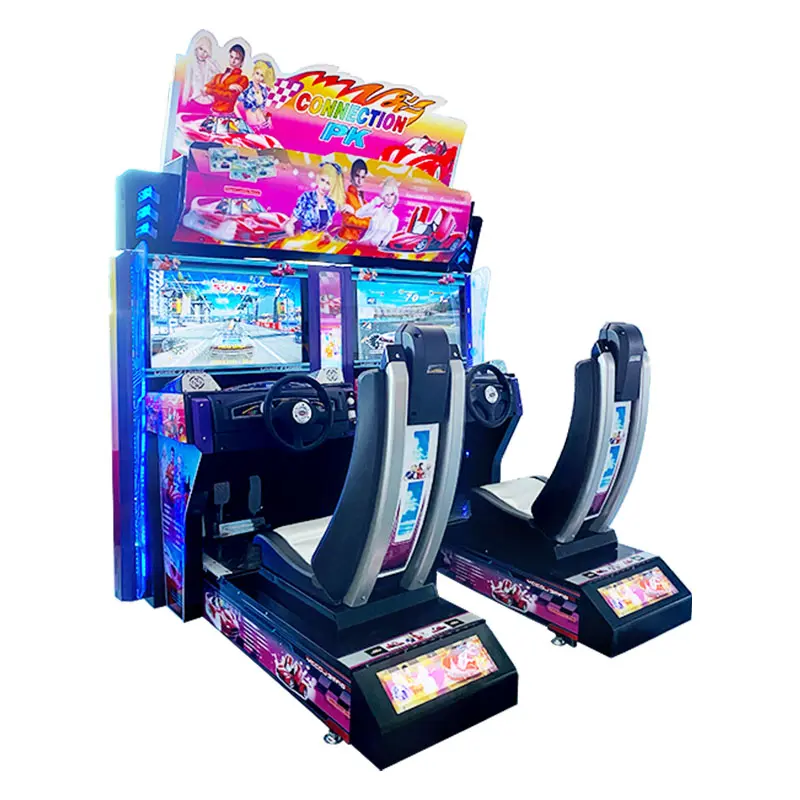
Por qué las máquinas de carreras para salas recreativas impulsan el tráfico peatonal y la fidelización
Tiempo de permanencia elevado y tasas repetidas de juego: evidencia conductual obtenida a partir de datos de ubicación en planta.
Los juegos de carreras tipo arcade realmente ayudan a mejorar el desempeño comercial de los establecimientos, según el comportamiento real de los clientes que podemos rastrear. La Asociación Nacional de Tiendas de Conveniencia analizó más de 120 espacios con máquinas recreativas y descubrió algo interesante: aproximadamente dos tercios de las personas que juegan a juegos de carreras tienden a atraer a otras personas a su alrededor, que observan o esperan su turno, formando así grupos pequeños de forma natural. Este tipo de atracción social genera ingresos reales para los negocios. Los establecimientos que cuentan con estas cabinas de carreras registran una permanencia de los clientes casi un tercio mayor que la de los salones recreativos convencionales, según datos de la Global Gaming Expo del año pasado. Y no olvidemos tampoco los tableros de puntuación y clasificaciones: mantienen a los jugadores regresando una y otra vez. Los operadores nos indican que quienes juegan a juegos de carreras vuelven aproximadamente un 34 % más a menudo que quienes prefieren otros tipos de máquinas recreativas.
Diseño de doble participación: cómo los controles físicos y la inmersión visual aumentan la duración de las sesiones
La última generación de cabinas de carreras incorpora ahora experiencias multisensoriales para mantener a los jugadores comprometidos durante períodos más prolongados. Estas configuraciones suelen incluir asientos sincronizados con el movimiento, accionados ya sea hidráulica o eléctricamente, junto con volantes que ofrecen retroalimentación de fuerza, lo que brinda a los usuarios una sensación mucho más realista durante la partida. La diferencia también es notable: las personas tienden a pasar aproximadamente 22 minutos adicionales en estos sistemas dinámicos en comparación con los sistemas estáticos convencionales. La mayoría de las cabinas también vienen equipadas con grandes pantallas envolventes y sistemas de sonido envolvente que realmente sumergen a los jugadores en la acción, dificultando que se distraigan por factores externos. Al combinar esta interacción táctil con una inmersión ambiental completa, la experiencia general se vuelve significativamente más valiosa a los ojos de los consumidores. Una encuesta reciente reveló que aproximadamente 4 de cada 10 clientes adquieren tiempo adicional de juego inmediatamente después de probar por primera vez una de estas cabinas avanzadas.
Evolución de la máquina de carreras de sala de juegos: de los clásicos en cabinas a los híbridos mejorados con realidad virtual
De las plataformas hidráulicas a los sistemas de movimiento 6DOF + RV: cambios generacionales clave
Las máquinas de carreras para salas recreativas han atravesado varias fases tecnológicas a lo largo de los años. En la década de 1990, la mayoría de las máquinas dependían de sistemas hidráulicos que movían pistones para generar la sensación de velocidad y colisiones. Estas experiencias eran bastante intensas, pero requerían un mantenimiento constante. Luego llegó la década de 2010, cuando los fabricantes comenzaron a utilizar actuadores eléctricos más duraderos y capaces de realizar movimientos precisos, como inclinaciones y vibraciones controladas. Actualmente, se están introduciendo cabinas de gama alta que combinan plataformas de movimiento de 6 grados de libertad (6DOF) con cascos de realidad virtual (VR), de modo que los jugadores sienten cada curva y bache mientras compiten en pistas virtuales. Ya no es necesario recurrir a esas enormes pantallas externas, ya que todo ocurre dentro del casco. Para las salas recreativas que buscan mantenerse competitivas, este tipo de experiencia inmersiva resulta fundamental, pues los usuarios regresan constantemente en busca de novedades. Los sistemas más recientes incluso incorporan asientos especiales cuya vibración varía según las condiciones de la carretera, así como volantes que responden al nivel de adherencia sobre pavimento mojado frente al pavimento seco, lo que convierte a estas máquinas en casi tan realistas como los simuladores de carreras profesionales utilizados por expertos.
Estrategia de despliegue escalonado: Ajuste de las capacidades de las cabinas al tipo de recinto y al presupuesto
Los operadores maximizan el retorno de la inversión (ROI) al alinear las especificaciones de las cabinas de carreras con los datos demográficos del público objetivo y las restricciones de espacio:
| Tipo de lugar | Nivel recomendado | Las características clave |
|---|---|---|
| Centros de entretenimiento familiar (FEC) | Gama media | movimiento de 2 grados de libertad (2DOF), pantallas de 55", temporizadores para monedas |
| Barcades y salones | Híbridos compactos/de realidad virtual (RV) | Cascos independientes de realidad virtual (RV), asientos giratorios |
| Arcades premium | Sistemas de alta gama de 6 grados de libertad (6DOF) + RV | Sincronización multijugador, renderizado 4K |
Unidades pequeñas y compactas con una huella inferior a 1,5 metros cuadrados funcionan bien en espacios reducidos, como los que se encuentran en los centros urbanos, donde el espacio inmobiliario es escaso y costoso. Por otro lado, los centros de entretenimiento familiar con gran afluencia de visitantes suelen optar por cabinas más robustas de gama media, que cobran por partida en lugar de por hora. En los establecimientos de gama alta que buscan destacar, los sistemas de seis grados de libertad tienen un costo que oscila entre veinticinco y cincuenta dólares por sesión. Estos lugares pueden permitirse cobrar más porque ofrecen algo especial que las salas recreativas convencionales no tienen. Otro enfoque inteligente proviene de las opciones de diseño modular, que permiten a los operadores actualizar sus instalaciones de forma gradual, en lugar de reemplazarlo todo de una sola vez. ¿Desea incorporar realidad virtual? Simplemente instálela sobre una base de movimiento existente sin incurrir en costos excesivos. Esto mantiene el flujo de inversión en nuevas tecnologías, en lugar de dejar el dinero inactivo a la espera de reformas integrales.
Máquina de arcade de carreras: ROI, modelos de ingresos, tácticas de ubicación y conocimientos operativos
Acceso por partida frente a acceso basado en el tiempo: optimización de los ingresos en bares-arcade y centros de entretenimiento familiar (FEC)
Cuando se trata de generar ingresos con juegos de salón recreativo, los operadores deben elegir entre cobrar por partida o por franjas horarias. En lugares con mucha afluencia, donde las personas solo quieren disfrutar rápidamente de una partida, el sistema por partida funciona mejor. La mayoría de los salones recreativos cobran entre un dólar y cinco dólares por carrera, lo que capta a los clientes en momentos de impulso y genera flujos constantes de ingresos pequeños. El acceso basado en el tiempo resulta más adecuado para establecimientos que desean retener a los clientes durante más tiempo. Cobrar entre diez y veinte dólares por sesiones de media hora mantiene a los jugadores regresando, especialmente cuando la afluencia es baja. Las máquinas de carreras premium generan, según Amusement Analytics el año pasado, un promedio de dieciocho a veintitrés dólares por hora. Estas cifras superan lo que obtienen la mayoría de los juegos recreativos convencionales. No obstante, los operadores que instalan redes multijugador obtienen resultados aún mejores: el juego competitivo incrementa el gasto un cuarenta por ciento por sesión, ya que los jugadores se involucran intensamente al intentar vencer a sus amigos o a desconocidos en línea.
Una buena estrategia combina distintos enfoques: colocar máquinas por partida cerca de los puntos de entrada, donde las personas pasan de forma natural, pero también crear espacios más amplios con asientos adecuados para quienes desean pasar períodos más largos jugando. Analizar la frecuencia con la que se utilizan estas máquinas puede ayudar a fijar los precios correctamente. La mayoría de los lugares con mayor afluencia registran entre 150 y 200 partidas diarias por máquina, aunque esta cifra varía considerablemente según las características específicas del lugar. Implementar pagos digitales mediante tecnologías como toques NFC o escaneo de códigos QR facilita las transacciones y proporciona información valiosa sobre los gastos reales de los clientes. Según lo observado en toda la industria, la mayoría de los operadores comienzan a obtener retornos entre tres y diez meses después de la instalación. Al elegir el equipo, opte por modelos cuyas piezas puedan sustituirse fácilmente, ya que esto reduce las molestias derivadas del mantenimiento cuando algo falla. Colocar las máquinas junto a puestos de bocadillos o zonas de canje de premios genera oportunidades de ventas adicionales, y luces brillantes que cambian de color resultan muy efectivas para llamar la atención durante las horas pico, cuando el tráfico peatonal alcanza su máximo nivel.
Preguntas frecuentes
¿Qué características ofrecen las máquinas de carreras modernas en comparación con los modelos antiguos?
Las máquinas de carreras modernas ofrecen características avanzadas como plataformas de movimiento de 6 grados de libertad (6DOF), cascos de realidad virtual (VR) y entornos virtuales que mejoran la experiencia de juego. Asimismo, cuentan con experiencias multisensoriales que incluyen asientos sincronizados con el movimiento, volantes con retroalimentación de fuerza, pantallas envolventes y sistemas de sonido envolvente para involucrar a los jugadores de forma más profunda.
¿Cómo pueden los operadores de salas recreativas maximizar sus ingresos con los juegos de carreras?
Los operadores de salas recreativas pueden maximizar sus ingresos implementando diversos métodos de cobro, como precios por partida y acceso basado en el tiempo. Colocar estratégicamente las máquinas cerca de las entradas y los puestos de bocadillos puede fomentar el juego impulsivo y aumentar las ventas adicionales, mientras que ofrecer redes multijugador impulsa el juego competitivo y los ingresos.
¿Por qué deberían los operadores elegir opciones de diseño modular para las máquinas de carreras recreativas?
Las opciones de diseño modular permiten a los operadores actualizar gradualmente el sistema y añadir nuevas funciones, como la realidad virtual (VR), sin necesidad de reemplazar sistemas completos. Este enfoque ayuda a reducir costos y a mantener la tecnología actualizada sin necesidad de reformas importantes.
Tabla de contenidos
- Por qué las máquinas de carreras para salas recreativas impulsan el tráfico peatonal y la fidelización
- Evolución de la máquina de carreras de sala de juegos: de los clásicos en cabinas a los híbridos mejorados con realidad virtual
- Máquina de arcade de carreras: ROI, modelos de ingresos, tácticas de ubicación y conocimientos operativos