 EN
EN

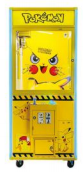
Aligning Prize Value with Claw Machine Payout Mechanics
How Prize Cost, Size, and Weight Impact Profitability and Win Rate
What kind of prizes go in a claw machine makes all the difference for how much money it brings in and what players actually win. Heavy stuff gives the claw trouble because the weight isn't distributed evenly, so things slip out even if they seem caught at first. Lighter items weighing less than half a pound tend to work better according to some industry research, with winning chances going up about 25%. Small objects need just the right positioning but once grabbed, they don't fall as often during lifting. Most operators look at price versus how long things last. Plush animals costing around three bucks wholesale keep profits good while letting people win regularly enough to stay interested. Machines typically make between 40 to 60 percent profit each year when the prizes match what the machine can handle mechanically.
The Psychology of Perceived Value: Why 'Affordable Luxury' Prizes Outperform Purely Cheap or Expensive Options
Prizes sitting somewhere in the middle price range tend to get the most attention from players because they strike just the right balance between something exclusive and something actually obtainable. Most folks don't care much for those cheap little trinkets that cost next to nothing, but at the same time nobody wants to chase after super expensive items that seem impossible to win. Take those moderately priced licensed collectibles around $8 to $12 retail value for instance. These kinds of prizes give players what gamblers call "aspirational wins" something they can realistically achieve with some effort, but still feels pretty special when they land one. The data backs this up too these mid-range prizes lead to about 30% more repeat visits compared to the cheapest options on offer. There's some psychology behind why this works. When people see limited edition items, it makes them think "this is unique" without making them feel like they need a fortune to get their hands on it. Smart operators know this trick well. They place these desirable mid-tier prizes front and center where everyone can see them, often right next to areas where lots of foot traffic passes through during peak hours.
Designing Claw-Friendly Prizes to Improve Grab Success and Player Retention
Shape, Weight Distribution, and Grab Points: Engineering Prizes for Reliable Claw Machine Performance
How prizes are designed has a big impact on whether the claw machine actually grabs them successfully. Round objects that have some texture or bumps on them work better than smooth ones because they create more friction against the gripping mechanism. Think about those stuffed animals with arms and legs sticking out - those tend to stick better. Also important is where the weight is distributed in the prize. If something has its heaviest part near the bottom, it won't roll around so much when being lifted up. According to field observations, about 40% of all failed attempts happen because the prize isn't balanced right and falls off before getting to the drop zone. Machine operators notice this too, reporting that when prizes match what the claw can handle mechanically, they stay caught about 30% more often than not.
- Balanced weight distribution (<200g) minimizes slippage
- Protruding grab points (ears, tags, loops) create anchor zones
- Semi-rigid materials enhance claw purchase
Rubberized coatings or integrated loops further optimize grip reliability—though durability testing remains critical.
Cabinet Placement and Orientation Strategies That Enhance Win Rate Perception Without Altering Mechanics
Positioning transforms perceived difficulty. Angling prizes toward the chute opening creates psychological accessibility, while elevating items near barriers leverages boundary effects to stabilize rolls. Operators employ:
- Tiered stacking to expose grab points
- 15-degree forward tilts on rectangular prizes
- Peripheral clustering to exploit corner rebounds
Industry studies confirm players attempt 50% more games in machines where prizes appear "nearly won," despite identical claw calibration. By rotating high-demand items weekly and maintaining visible prize density, venues sustainably boost engagement without adjusting payout settings.
Optimizing Prize Assortments by Venue Type and Audience for Maximum Engagement
Arcade vs. FEC vs. Retail Kiosk: Tailoring claw machine prize mixes to location-specific behavior
Arcades do better when they stock those cute plush collectibles that keep people coming back again and again. FECs need something different though - mid range prizes around $8 to $15 work best for getting folks interested in their redemption counters. Retail kiosks tell a different story altogether. These spots actually get about 22 percent more impulse plays when they offer little novelty stuff like keychains or tiny gadgets priced under five bucks. What works depends heavily on who walks through the door. Arcades located close to schools make roughly 40% more money selling branded character toys compared to regular toys. But mall kiosks find success by changing out seasonal novelties every month to bring customers back week after week. Location plays a big role too. Places right next to food courts see play frequency jump by 31%, based on numbers from last year's Amusement Expo.
Licensed Plush, Mini Collectibles, and Novelty Items: Data-Backed Trends in High-Dwell-Time Prizes
When kids get attached to licensed plush toys, they tend to play with them about 30% longer than other prizes. And when special edition versions come out, people try to win them almost twice as often as regular ones. Mini collectibles that are all the same size and shape, like those little vinyl figures, actually work better mechanically too. Their standard dimensions mean machines grab them successfully around 18% more often than weird shaped stuff. The newer electronic novelties such as LED fidget spinners keep drawing crowds of different ages, bringing in roughly a quarter of all sales at airports and theaters. Keeping things fresh matters a lot though. Operators who swap out about 20% of their inventory every two weeks see their monthly income go up by roughly 14%, according to industry reports from last year.
FAQs
What type of prizes work best in claw machines?
Light items under half a pound and moderately priced prizes between $8 and $12 tend to have higher win rates and attract more player interest.
How does prize design impact the claw machine's success rate?
Prizes with balanced weight distribution, protruding grab points, and semi-rigid materials enhance the grip and increase chances of successful grabs.
Why should prize assortments be tailored by venue type?
Different venues attract different audiences and provide varying success with prize types. Arcades benefit from plush collectibles, while kiosks gain sales from novelty items.