 EN
EN

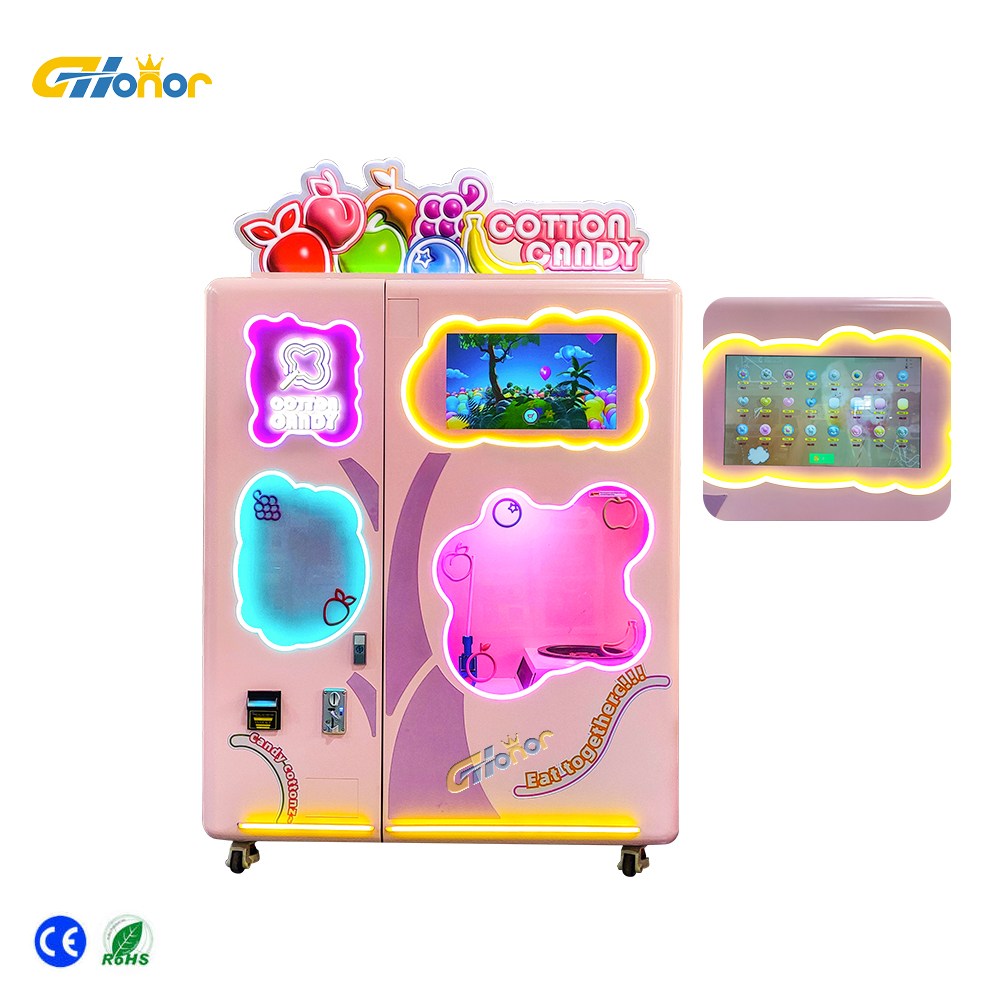
How Cotton Candy Machines Enable Flavor Variety
The Critical Role of Flavor-Infused Flossing Sugar
Most cotton candy machines get their wide range of flavors not from complicated parts but from something simple: special flossing sugar. When the machine heats up, it melts regular sugar crystals, then spins them really fast using centrifugal force to make those thin strands we all know. To create different tastes, manufacturers soak the sugar beforehand with things like flavor extracts, essential oils, or powdered ingredients such as lavender or even chili powder. Big commercial setups can handle over 30 different flavor combinations, all based on this basic sugar approach. What makes these machines work so well is that nothing inside actually touches the flavor stuff directly, which keeps everything tasting clean and pure. The real secret lies in the sugar itself though. For best results, most operators stick to fine grain sugar with very little moisture content (under half a percent works great). This helps prevent clumps and makes sure each fluffy cloud of cotton candy has consistent flavor throughout.
Why Machine Design Is Flavor-Agnostic—But Sugar Compatibility Isn’t
Most cotton candy machines don't really care what flavor sugar goes into them. The basic parts work the same way no matter if it's pink grapefruit or classic cherry - spinning head spins, heating element gets hot, air blows through. But what happens next depends a lot on the actual sugar used. Sugar loaded with food coloring tends to scorch unless temperatures are just right. Big chunks can cause problems too since they won't melt evenly. And those fancy vegan or organic options? They behave completely differently from regular table sugar when heated. That's why professional kitchens invest in commercial machines with adjustable heat settings and stronger motors. Regular home units simply can't maintain the exact temperatures or withstand the wear and tear required to make good cotton candy from anything other than standard granulated sugar.
Commercial vs. Home Cotton Candy Machines: Flavor Performance Differences
High-Torque Commercial Machines for Consistent, High-Yield Flavor Output
The industrial cotton candy machines really shine when it comes to delivering consistent flavors thanks to their specially designed engineering. These machines have powerful motors spinning at around 3,450 RPM which creates enough force to turn even those tricky sugar mixtures with additives into smooth, fine threads. This means less clumping happens and the flavor gets spread out better during large scale production runs. Commercial grade machines can keep going strong, making over 30 cotton candy cones every hour without getting too hot. When temperatures stay below 150 degrees Fahrenheit, the delicate aroma compounds in the sugar actually last longer rather than breaking down. The stainless steel mixing bowls along with carefully adjusted heating components also help stop different flavors from mixing together accidentally something that matters a lot for businesses offering multiple cotton candy options where each batch needs to taste just right.
Temperature Control Limitations in Home-Use Cotton Candy Machines
The limitations of home equipment really affect how consistent flavors turn out. Most home setups run at speeds under 1,200 RPM and don't have good temperature control, so sugar doesn't melt evenly throughout the process. There are actually two main problems here. First, solid ingredients like spices or fruit acids often fail to blend properly into the sugar base. Second, when temperatures spike unexpectedly, those delicate flavor compounds break down pretty quickly. Looking at actual production numbers makes this clear: home machines typically make about 40% less product per batch compared to what's possible with commercial gear. Some research even suggests that after making three batches in a row, the strength of the flavors can drop by as much as 60%. And since most home units lack proper cooling systems, anyone trying different flavors has to wait forever between batches, which really restricts what can be tested and experimented with.
Innovations Expanding Flavor Capabilities in Modern Cotton Candy Machines
Modular Flavor Cartridges and Dual-Hopper Systems
Modern manufacturing equipment now comes equipped with modular flavor cartridges paired with dual hopper systems that make producing multiple flavors much easier without compromising on quality standards. These pre-filled flavor pods work together with specific heating zones that keep sensitive compounds at just the right temperature range around 3 degrees Celsius above or below target. The dual hopper setup lets manufacturers run completely different types of sugar mixtures at once, say something sharp like lemon zest alongside rich vanilla notes, all without having to stop for cleaning between batches or worrying about flavors mixing together. According to research published last year in the field of candy making tech, this kind of system cuts down the time wasted changing flavors by almost four fifths, plus it keeps the product's texture and fiber content consistent throughout production runs. Inside those hoppers there are special anti-caking treatments too, which stop things from clumping up when moisture levels rise, so everything flows smoothly even when working with tricky ingredients such as powdered fruits that absorb water easily.
Real-World Validation: Stable Multi-Flavor Blends in Event Catering
The event catering industry actually shows how well these new technologies work in practice. At big outdoor festivals where tens of thousands show up, those triple cartridge machines can churn out around 300-350 cones an hour and switch between different flavor combinations without missing a beat. What makes this possible? Special algorithms that sense humidity changes and tweak the spinning speed just right so nothing collapses when mixing sensitive stuff like berry powders with regular sugar. Most caterers we've talked to say customers love the layered flavors much more than plain old single flavor options. Satisfaction ratings jump about 18 or 19 points higher when people get those complex taste experiences. And let's not forget the thermal sensors built into these machines that stop unwanted caramelization after long shifts, keeping every cone tasting fresh from the very first one till they run out at the end of the day.
FAQ
What type of sugar is best for cotton candy machines?
The best sugar for cotton candy machines is fine grain sugar with very little moisture content, ideally under half a percent. This ensures that the cotton candy has consistent flavor and prevents clumping.
Can home cotton candy machines produce multiple flavors?
Home cotton candy machines are often limited in producing consistent flavor due to inadequate temperature control and lower RPM speeds. However, modular flavor cartridges and dual-hopper systems in some modern machines may help in trying different flavors.
How do commercial machines manage multiple flavors?
Commercial cotton candy machines utilize powerful motors, adjustable heat settings, and modern technologies like modular flavor cartridges and dual-hopper systems to produce consistent, complex flavors without contamination between batches.
What innovations enhance the flavor production in modern machines?
Innovations like modular flavor cartridges, dual-hopper systems, and thermal sensors help modern machines produce complex taste experiences by maintaining ideal conditions for sensitive flavor compounds.