 EN
EN

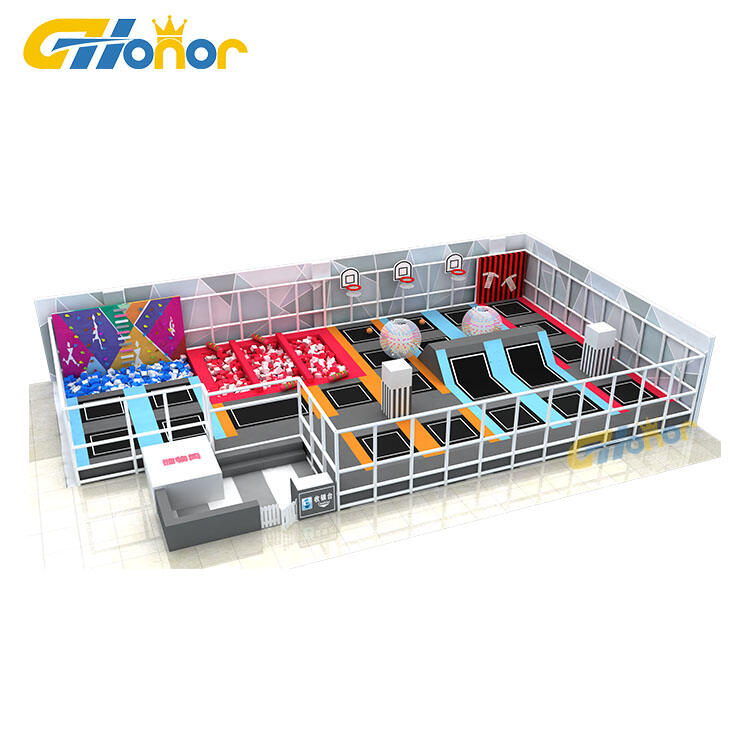
Core Safety Standards for Kids Indoor Playground Equipment
ASTM F1487 & CPSIA Compliance: Non-Negotiable Foundations
Adherence to ASTM F1487 (Standard Consumer Safety Specification for Playground Equipment) and the Consumer Product Safety Improvement Act (CPSIA) forms the mandatory baseline for all kids’ indoor playground installations. These standards eliminate hazardous design elements—such as head entrapment zones, protruding bolts, and inadequate impact attenuation—through rigorous engineering protocols. Leading providers secure third-party validation to confirm equipment meets critical performance thresholds: peak acceleration ≤200g under impact testing and structural load capacity of at least 250 lb/ft². Safety audits link non-compliance directly to 72% of playground injury claims.
Real-World Risk Mitigation: Rounded Edges, Enclosed Mechanisms, and Supervised Access Zones
Certification alone isn’t enough—operational safety depends on intentional, evidence-based design and oversight:
- Rounded edges (≥0.3" radius) on all accessible surfaces reduce laceration and impact injury risk
- Fully enclosed mechanisms, including gear housings and hinge points, eliminate finger pinch hazards
- Staff-supervised access zones with unobstructed 360° sightlines enable timely intervention during peak activity
When combined with impact-absorbing flooring (≥12" depth for structures up to 6 ft), these features correlate with a 68% reduction in fall-related injuries among commercial operators. Continuous staff training reinforces this layered protection by supporting real-time hazard recognition and response.
Material Durability and Non-Toxic Performance in High-Traffic Kids Indoor Playgrounds
Commercial-Grade PVC-Coated Steel vs. Rotomolded Polyethylene: Load Capacity and Lifecycle Data
Material selection must align with functional demands and environmental conditions. PVC-coated steel frames deliver exceptional structural integrity—supporting over 500 lbs/ft²—making them ideal for high-stress climbing components and overhead structures. Rotomolded polyethylene excels where repeated impact and moisture resistance are paramount: independent testing confirms its ability to withstand more than 1 million impact cycles without cracking—especially valuable for slides, tunnels, and freestanding play elements. While steel typically achieves a 15–20 year service life with minimal upkeep, polyethylene offers superior resistance to humidity, chlorine exposure, and UV degradation—key advantages in climate-controlled or aquatic-adjacent indoor facilities.
Certified Soft Materials: EN71-3 and ASTM F963 Testing for Foam, Vinyl, and Surface Coatings
All soft components—including impact-absorbing foam, vinyl cladding, and surface coatings—must undergo stringent toxicological screening. EN71-3 certification ensures lead, cadmium, and phthalate content remains below 10 ppm; ASTM F963 adds migration testing for heavy metals under simulated child-use conditions. Third-party labs verify that compliant foams retain ≥80% of original density after five years of compression cycling. UV-cured acrylic coatings further enhance safety by inhibiting microbial growth and emitting zero VOCs—supporting indoor air quality benchmarks aligned with pediatric health guidelines.
Third-Party Certification and Proactive Maintenance for Long-Term Kids Indoor Playground Safety
Independent safety certification by accredited bodies provides objective validation that equipment meets ASTM F1487 and CPSIA requirements—reducing liability exposure by up to 72%, per industry studies. Facilities maintaining current certification documentation experience 89% fewer insurance claim denials compared to non-certified venues. Proactive maintenance is equally essential: daily visual inspections for cracks or deformation, weekly functional checks of moving parts (e.g., rotating elements, spring mechanisms), and quarterly professional audits identify emerging risks—including frayed netting, loosened anchors, or degraded surfacing—before they escalate. Meticulous documentation of all inspections and repairs establishes an auditable safety record that satisfies regulatory expectations and extends equipment service life by 3–5 years. This disciplined approach prevents 68% of accidents tied to deferred maintenance, according to national injury prevention data.
FAQ
What are the key safety standards for kids’ indoor playground equipment?
Compliance with ASTM F1487 and CPSIA standards is essential, focusing on eliminating hazardous design elements and ensuring equipment meets critical safety performance thresholds through third-party validation.
Why is material choice important in playground equipment?
Material selection directly affects the durability and safety of playground equipment. PVC-coated steel offers high structural integrity, while rotomolded polyethylene provides excellent impact resistance and longevity, critical for high-traffic areas.
What role does third-party certification play in playground safety?
Third-party certification provides independent validation of compliance with safety standards, reducing liability and insurance claim denials. It also supports a proactive maintenance strategy, enhancing long-term safety and equipment lifespan.