 EN
EN

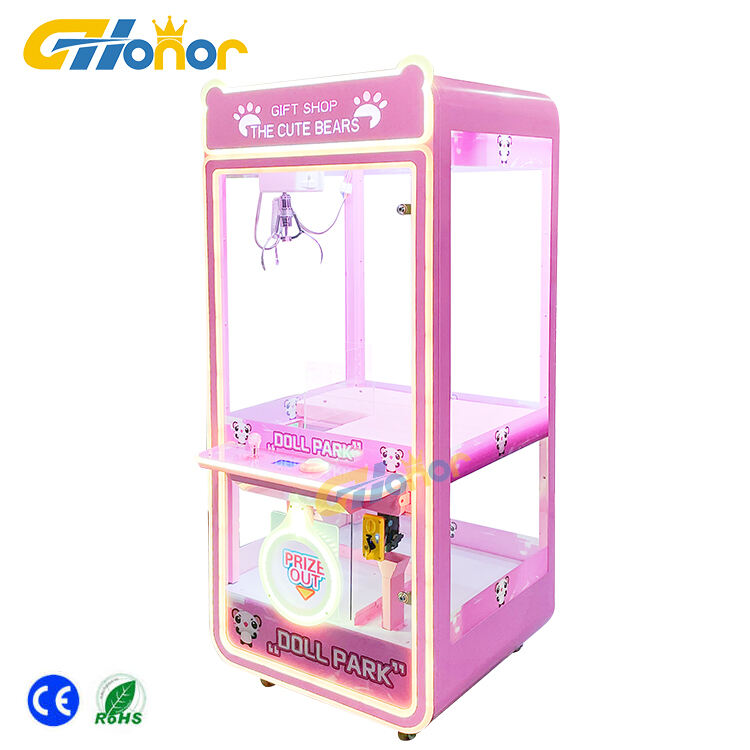
The Science Behind Kid Engagement in Mini Claw Machines
Dopamine, Surprise, and Tangible Ownership: How Ages 4–10 Experience Reward
Mini claw machines harness intermittent reinforcement—the unpredictable reward pattern that triggers dopamine release during near-wins. This neurological response transforms near-failures into moments of excitement and perceived progress, especially for children aged 4–10. Tangible prizes like plush toys deepen engagement by fostering psychological ownership before winning: kids mentally claim items, reinforcing motivation through visualization and tactile anticipation. Developmental research confirms physical rewards outperform digital ones by 63% in retention, as concrete objects validate effort with sensory feedback. The element of surprise—never knowing which attempt will succeed—taps directly into childhood curiosity, turning each play into a self-directed narrative where the child is both player and protagonist.
Why 'Earnability' Drives Repeat Visits: Key Insights from the 2023 PlayLab Behavioral Survey
According to the 2023 PlayLab Behavioral Survey of 1,200+ arcades, perceived “earnability”—a child’s belief they can win through skill—increases replay rates by 48%. When prizes feel attainable rather than arbitrary, losses become learning opportunities, and each token feels like an investment toward mastery. Machines calibrated with visible success rates between 15–25% maximize this effect: challenging enough to sustain interest, yet achievable enough to reinforce effort. Crucially, 78% of children aged 6–8 returned within a week after almost winning—compared to just 41% after easy wins—demonstrating how near-win calibration converts frustration into motivation and cements mini claw machines as high-engagement tools.
Top 5 High-Retention Mini Claw Machine Prize Categories (Ranked by Kid Appeal & Replay Lift)
Selecting the right prizes maximizes engagement and repeat plays in mini claw machines. The most effective categories combine high desirability with collectibility, fueling what industry experts call the “win-collect-repeat” cycle. Based on behavioral data from children aged 4–10, these five prize types deliver the strongest retention:
Collectible Character Figures
Small vinyl figures and mini-dolls drive 40% higher replay rates than non-series toys. Kids pursue them to complete sets, sustaining interest across multiple visits.Pocket-Sized Plush
Miniature stuffed animals under 4 inches foster emotional attachment while fitting reliably in the claw mechanism. Their soft texture and “cuteness factor” generate 3.2x more plays than hard toys.Interactive Micro-Games
Tiny puzzles, finger skateboards, or stacking games extend play beyond the arcade. These functional prizes increase perceived value, prompting 58% of winners to replay within 24 hours.Wearable Novelties
Glow rings, charm bracelets, and mini-hats become social currency in schoolyards. Their visible appeal boosts machine popularity through peer influence and word-of-mouth.Surprise-Pack Collectibles
Mystery bags with mini-cards or blind-box items leverage anticipation psychology. The unknown outcome triggers dopamine spikes that increase repeat attempts by 67%.
Balance these categories to maintain novelty while ensuring prizes meet the machine’s technical constraints. Oversized items or complex packaging reduce win rates—undermining the core reward loop that sustains engagement.
Strategic Prize Pairing to Boost Dwell Time and Multi-Play Sessions
Functional Fun: Combining School Supplies and Plush for Off-Peak Engagement
Pairing practical school supplies with beloved plush toys creates a dual-value proposition that extends play sessions during slower weekday afternoons. Children chase the emotional reward of plush prizes while parents appreciate functional items like novelty erasers or themed pencils—a combination that increases perceived value by 30% in family entertainment venues. When kids win a school supply first, they’re 60% more likely to replay immediately aiming for a matching plush, turning a single attempt into multi-play chains. This strategy optimizes off-peak hours by leveraging:
- Parental approval, making spending feel justified
- Collection psychology, where kids pursue themed sets
- Balanced difficulty, using smaller school supplies as accessible “warm-up” wins
The approach drives 40% longer average dwell times compared to single-category machines by satisfying both practical and emotional needs. Avoid overloading with bulky supplies; maintain a 3:1 plush-to-supply ratio to preserve playability while maximizing revenue during traditionally quiet periods.
Frequently Asked Questions
How do mini claw machines trigger dopamine release in children?
Mini claw machines use intermittent reinforcement, which creates an unpredictable reward pattern. This unpredictability leads to a dopamine release during near-wins, making each attempt exciting and satisfying for children.
What is 'earnability' in mini claw machines?
'Earnability' refers to a child’s belief that they can win prizes through their skill, which increases replay rates and makes each loss an opportunity to learn and improve.
What prize types are most effective in mini claw machines for kids?
The most effective prizes are collectible character figures, pocket-sized plush, interactive micro-games, wearable novelties, and surprise-pack collectibles.
What is the benefit of pairing school supplies with plush toys?
Pairing school supplies with plush toys extends play sessions by providing both emotional and practical rewards, which increases perceived value and encourages repeat plays.