 EN
EN

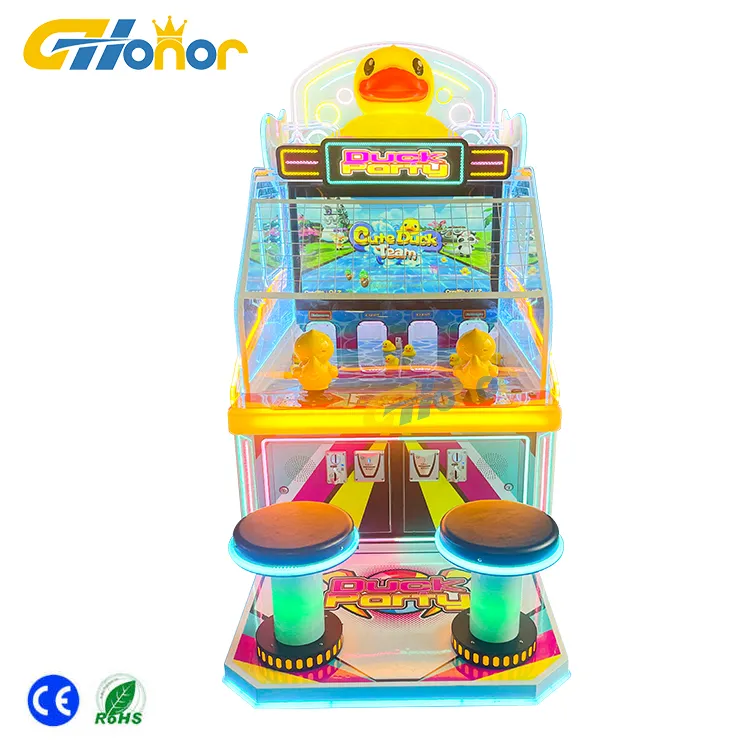
Choosing the right mix of equipment is the single biggest lever on a venue's financial health. A well-chosen game machine earns back its purchase price within months, while a poorly matched unit sits idle and bleeds rent. Procurement teams rarely fail because they buy the wrong brand; they fail because they buy the wrong proportion of categories. This guide breaks down how to balance turnover, margin, and risk across your floor. Experienced buyers treat the floor as a portfolio, not a showroom.
Why one machine type distorts profit structure
High-turnover units alone starve cash flow timing
A lone game machine built for rapid replay can fill a floor with coins but still wreck the books. Redemption and prize counters turn over fast, yet they depend on constant foot traffic that dips on weekdays. When a venue loads only fast units, daily revenue looks healthy while CAPEX recovery stays flat because each play earns thin margin. The repair bill for worn coin mechanisms also climbs faster than expected.
High-margin units alone waste floor density
Slow, premium simulators deliver strong per-play profit but occupy large footprints. A game machine in this class may earn a high ticket price, yet it serves one or two players at a time and needs a long session. Packing a small hall with only high-margin equipment leaves the floor sparse during peaks and kills revenue per square meter. Balance means pairing these with compact earners. Long dwell time on a premium unit helps only when the surrounding floor keeps a steady stream of paying players. Low dwell time on compact units is fine because throughput, not session length, drives their return.
Building a balanced mix by payback period and revenue per square meter
Classifying units into fast and slow tiers
Sort every game machine candidate by payback period before signing a purchase order. Fast-payback units — claw machines, kiddy rides, toy cranes — recover cost in roughly three to six months because the ticket price is low and replay is constant. Slow-payback units — VR simulators, interactive projection, 5D cinemas — need nine months or more but lift the average profit margin of the whole floor. A healthy equipment mix holds both tiers. Tracking operational cost alongside payback period prevents surprises from power draw and spare parts.
Measuring revenue per square meter before you buy
Revenue per square meter exposes the truth a brochure hides. Divide expected monthly takings by the floor area a unit occupies, including its queue lane. A compact redemption game may out-earn a bulky simulator on this metric even when the simulator's ticket price is higher. Procurement should rank each game machine on this ratio, not on showroom appeal. Benchmarking against a similar FEC keeps expectations grounded rather than optimistic. Units certified to EN 1171 and ASTM F1918-21 also reduce downtime risk during safety checks. Compare that ratio before negotiating price.
A procurement scenario for a balanced mix
Case background — 350 sqm FEC in Asia
A family entertainment center operator opened a 350 sqm hall in a Southeast Asian mall with a tight budget and no prior arcade experience. The first plan leaned heavily on four premium simulators, assuming high ticket prices would cover costs of every game machine on the floor. Within two months the floor felt empty at off-peak hours, staff stood idle, and the owner could not see a clear break-even path despite decent weekend crowds. The owner had underestimated how few players a simulator entertains per square meter during a school day.
Solution — pairing simulators with redemption and kiddy rides
The revised plan cut simulators to two and added six claw machines, four kiddy rides, and a redemption counter fed by ticket games. This game machine mix spread across fast and slow tiers. Off-peak hours filled with low-cost replay, while weekends still drove margin from the simulators. Player retention improved because families found something at every price point, and the monthly cash flow smoothed across the week. By month four the blended profit margin recovered and the break-even point arrived two months earlier than the original plan predicted.
Risk hedging and maintenance protect profit
Diversifying categories to hedge demand
No single category survives every season. School holidays swell the kids zone; quiet weekdays favor adult racing and shooting play. A diversified equipment mix hedges against these swings because one weak segment is offset by another. Avoid betting the whole profit structure on a single game machine category. Spread CAPEX across three or more distinct categories. Adding interactive projection or a kids soft playground widens the catchment beyond hardcore players.
Inspection and maintenance preserve margin
Margin quietly leaks through avoidable downtime. A weekly check of coin mechanisms, seat belts, and screen calibration keeps earners earning. CE-marked units simplify inspection because tolerances and test reports are documented for buyers. Operators should log play counts per game machine and retire models whose revenue per square meter falls below the floor average for two straight months. Clean glass and responsive controls raise player retention on every visit. Sourcing from a manufacturer with a 3,000 sqm SGS-certified factory stabilizes spare-part availability over the years.
A balanced floor is not the one with the flashiest units; it is the one where each game machine earns its place on both payback period and revenue per square meter. Procurement should start from the profit structure, then choose a mix of fast and slow tiers, hedge across categories, and maintain relentlessly. Use standards and play-count data as guardrails, and the venue profit stays resilient through every season. G-Honor's decade of building coin-operated arcade equipment informs this mix-first approach for overseas buyers. The right equipment mix turns floor space into predictable, repeatable income.
Frequently Asked Questions
Question
What defines a balanced profit structure for an arcade floor?
Answer: A balanced profit structure blends fast-payback earners with slower high-margin units so cash flow stays steady across the week. The goal is not the highest single ticket price but a healthy mix where revenue per square meter stays strong in every zone. Operators reach balance by ranking categories on payback period and floor density, then adjusting the count of each type until weekday and weekend takings both cover fixed costs.
Question
Why should procurement track payback period per category?
Answer: Tracking payback period per category exposes which units recover cost quickly and which tie up capital for months. A claw machine may return its price in weeks, while a VR simulator needs far longer, so budgeting them together hides risk. Procurement teams that rank by payback period avoid over-investing in slow tiers during the opening phase. The practice also shapes a realistic break-even timeline and protects the venue against cash shortfalls in the first operating year.
Question
How many machine categories should a small venue hold?
Answer: A small venue of 200 to 400 square meters should hold at least three categories to spread risk. A typical mix pairs two fast-payback types, such as claw machines and kiddy rides, with one slower high-margin type like a simulator or interactive projection. Fewer than three categories leaves the profit structure exposed to a single demand shift. More than five can strain staff training and maintenance, so three to four categories fits the floor without overloading operations.
Question
Can a venue rely on simulators alone for margin?
Answer: A venue should not rely on simulators alone, because a single game machine category cannot carry the whole floor through every season. Simulators earn strong per-play margin but serve few players per square meter and need long sessions, so off-peak hours stay thin. Pairing them with compact redemption and claw units fills dead time and smooths cash flow. A diversified equipment mix keeps the profit structure resilient when one category underperforms for weeks at a time.
Question
Where should operators set the retirement threshold for weak units?
Answer: Operators should retire a unit once its revenue per square meter falls below the floor average for two straight months. Tracking play counts per machine makes this threshold objective rather than emotional. Weak claw machines or simulators that miss the mark should be relocated, repriced, or replaced before they drag the profit structure down. Setting the rule in advance keeps procurement disciplined and stops slow earners from occupying premium floor space that faster units could use.