 EN
EN

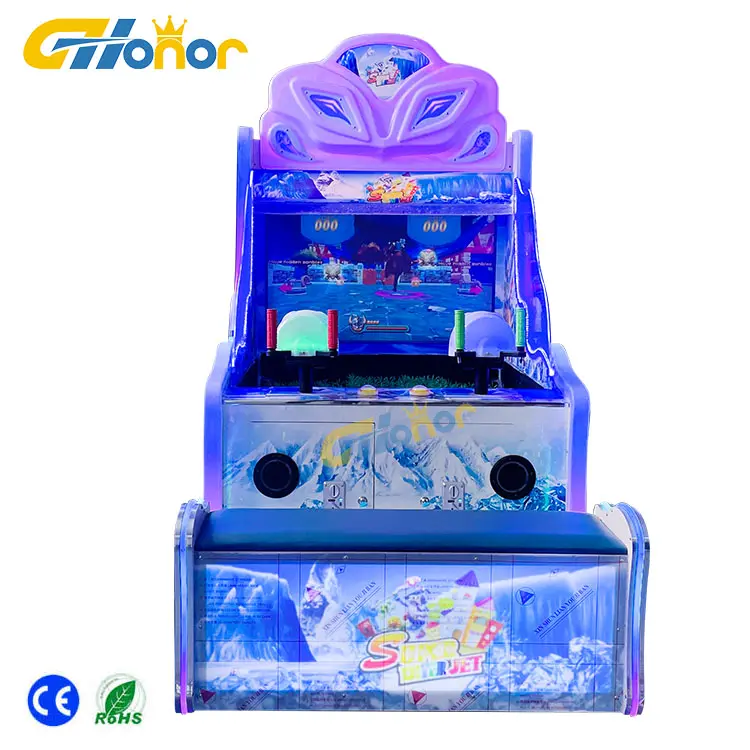
A well-planned game machine floor does more than display hardware — it directs human movement. Many operators assume that buying popular units is enough, yet the same machines earn very differently depending on where they sit. Mixed arrangement means placing varied categories together on purpose, rather than grouping identical cabinets in long rows. The goal is simple: keep guests walking, keep them playing longer, and lift venue turnover without adding square meters. Foot traffic and floor layout decide whether a venue feels alive or empty, and that feeling drives spend.
How mixed arrangement reshapes player movement
Why a single-category row stalls foot traffic
A wall of identical racing cabinets feels efficient but quickly becomes a dead zone. When one game machine type dominates a stretch, only fans of that category stop, and everyone else walks past. Foot traffic splits instead of circulating. Mixed arrangement breaks that pattern by alternating categories — a simulator next to a redemption counter, a claw machine beside a sports unit. Variety pulls passing guests into a pause, which is the first step toward a paid play. The fix costs nothing but a floor plan. Most arcade operators discover this only after a low-turnover quarter exposes the dead stretch.
Zoning and anchoring for a natural traffic loop
Zoning groups each category by energy level rather than by brand. Place loud, fast simulators near the entrance to draw attention, then guide players toward calmer prize and skill zones deeper inside. A clear traffic loop avoids dead corners where revenue per square meter drops to zero. Anchor machines are high-dwell units that hold a player for minutes. Positioning a popular simulator or kiddy ride where two zones meet creates a gathering point. For any game machine floor, these anchors extend dwell time and support player retention. Good signage between zones reinforces the loop and reduces confusion for first-time guests.
Turning flow into turnover: dwell time and cross-play
Designing paths that trigger impulse plays
Impulse plays rarely happen in empty hallways. They happen when a glowing screen sits within the natural sightline of a queuing line or a prize display. A short flow path between a sports game and a redemption counter converts warm-up players into spenders. The trick is spacing: close enough to feel connected, far enough to avoid crowding. Smart floor layout treats every game machine placement as a potential impulse trigger, turning idle meters into revenue without extra hardware. In a busy FEC, even a few extra impulse plays per guest compound across the day.
Cross-zone play and higher group spend
Groups rarely play one category only. A teenager on a simulator pulls friends toward a claw machine, then toward a prize counter. Cross-play multiplies the value of each visit because the group spends across zones instead of one. Operators who design for cross-zone movement see higher basket size than those who isolate genres. Mixed game machine arrangement is what makes that cross-play likely rather than accidental, and repeat visits follow from the smoother experience. A coin-operated arcade corner beside a simulator often lifts both units' take.
A real operator layout fix
Background and the broken floor plan
A 320 sqm family entertainment center in Southeast Asia ran a traditional layout: all simulators on the left, all kiddy rides on the right, prizes hidden in the back. The operator there watched foot traffic cluster at the entrance while the back corner stayed empty, and weekend queues spilled into walkways. Revenue per square meter was uneven, and player retention dropped after the first visit because the space felt like two separate rooms rather than one venue. Long queuing outside popular zones also pushed guests toward the exit early, cutting dwell time.
The mixed-arrangement solution and result
The operator re-zoned by energy and mixed the game machine categories along a single loop. A claw machine moved beside the entrance queue, a simulator anchored the middle, and the prize counter shifted to the exit path. Queuing was redesigned so lines faced active machines, not walls. Within two months, measured dwell time rose from about 38 to 52 minutes, impulse plays grew, and venue turnover improved roughly 22 percent on weekends. The change cost almost nothing beyond labor and signage. The traffic loop gave every category steady exposure from open to close.
Standards, inspection, and maintenance
Spacing rules and certification to verify
Mixed arrangement must respect safety spacing. Units certified to CE and built to EN 1171 play-equipment guidance keep clearances predictable, while coin-operated rides should align with ASTM F1918-21 for structural and operational safety. Before delivery, inspect anchoring, emergency stop access, and walkway width. Tight spacing may look efficient but raises collision risk and hurts the very foot traffic a good layout intends to build. Verify documentation during procurement, not after installation. Re-check spacing whenever a new play equipment model enters the floor.
Routine maintenance that protects revenue
A broken screen or stuck redemption chute kills turnover faster than a bad floor plan. Set a daily wipe-down, a weekly cable and bolt check, and a monthly deep service for high-dwell units. Keep spare parts for claw and simulator mechanisms on hand. Document each check so issues are caught early. Regular upkeep preserves player retention and keeps every venue earning its share of the floor. A simple logbook helps the team track wear before it becomes lost revenue.
Mixed arrangement is not decoration; it is a revenue system. A thoughtful game machine layout turns idle meters into active plays, lengthens dwell time, and lifts venue turnover through smarter movement rather than bigger spend. Operators should audit the floor loop, move anchors, and re-zone by energy before buying more hardware.
Frequently Asked Questions
Question
What defines mixed arrangement of a game machine floor?
Answer: Mixed arrangement places different machine categories together instead of grouping identical cabinets in rows. The method alternates energy levels and sightlines so passing guests pause and play. A good floor layout blends simulators, claw units, and redemption games along a loop that keeps foot traffic moving and lifts impulse plays without adding square meters.
Question
Why does zoning improve venue turnover?
Answer: Zoning groups units by energy and guides guests along a traffic loop, so more categories stay visible during a visit. Longer dwell time and cross-zone play raise the average spend per group. Isolated rows let corners go dead and waste revenue per square meter, while a loop keeps the floor active from entrance to exit.
Question
How should anchors be placed on the floor?
Answer: Place high-dwell units where two zones meet so they gather a group and extend visit length. A simulator or kiddy ride at a decision point pulls siblings and parents toward nearby coin-operated units. Keep clear walkways and sightlines so the anchor draws foot traffic without blocking the path or creating crowding at the junction.
Question
Can a small venue benefit from mixed layout?
Answer: Even a compact room gains from mixed placement. Fewer units means each one must earn, so alternating a claw cabinet, a simulator, and a prize counter along one loop maximizes impulse plays. Smart spacing and a short flow path lift venue turnover more than packing rows, and the same plan scales up later.
Question
Where should the prize counter sit?
Answer: The prize counter belongs on the exit path, where dwell time peaks and groups decide on a final spend. Place it past the high-dwell anchors so foot traffic passes active machines first. A counter hidden in a back corner loses sales, while one near the loop end captures the impulse that mixed arrangement builds through the visit.