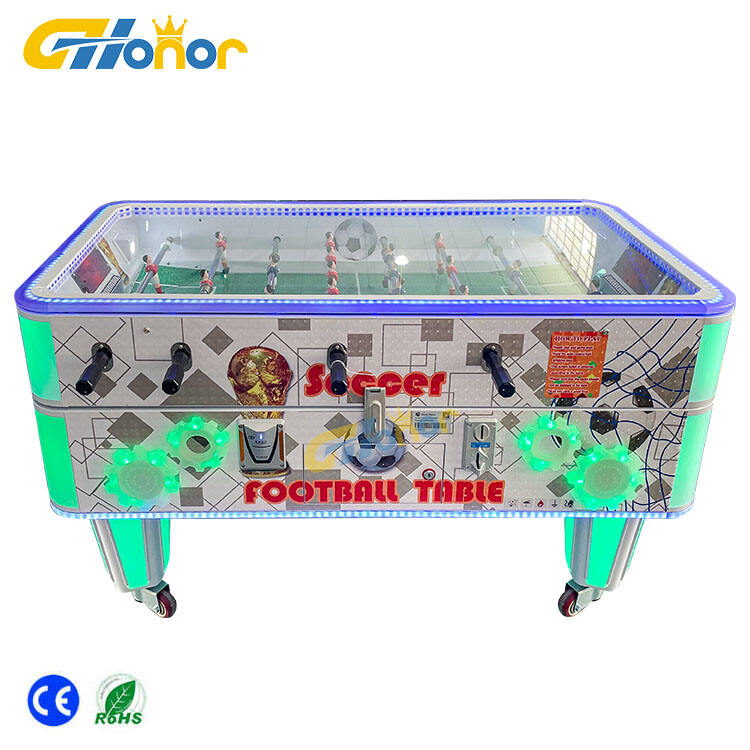
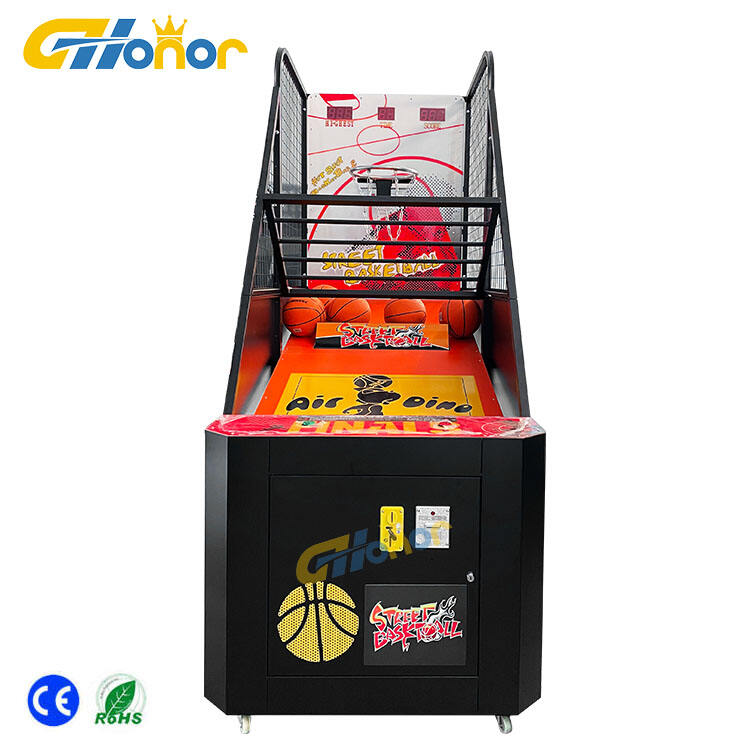
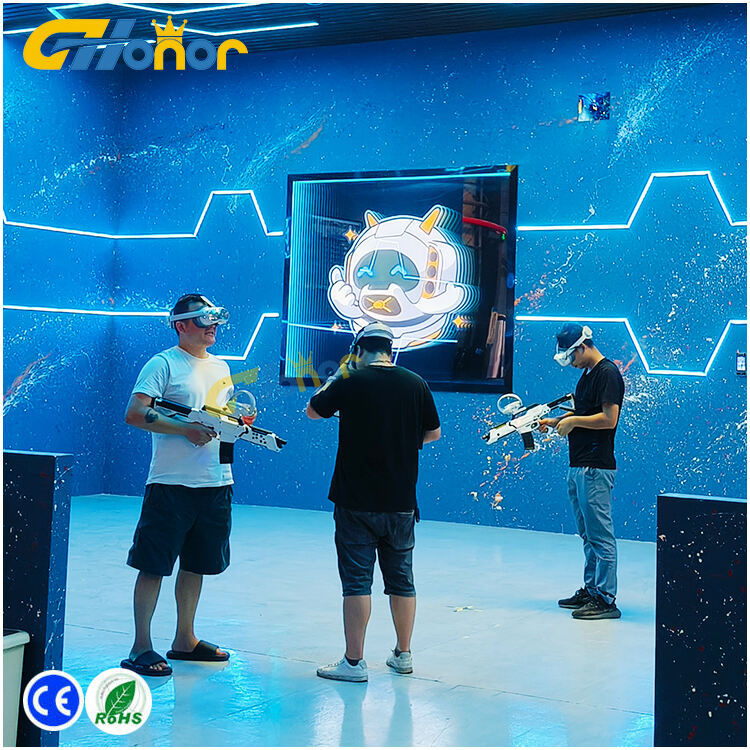
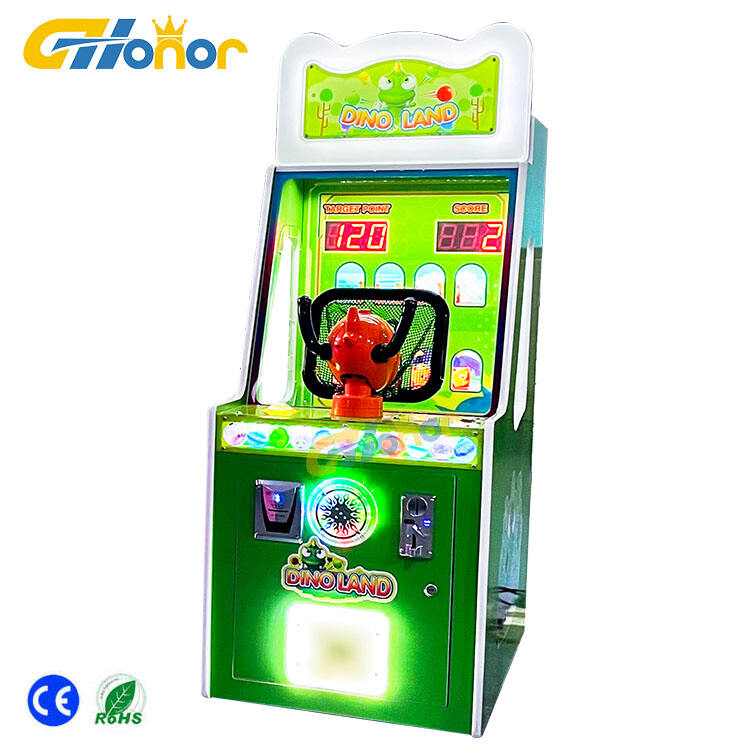
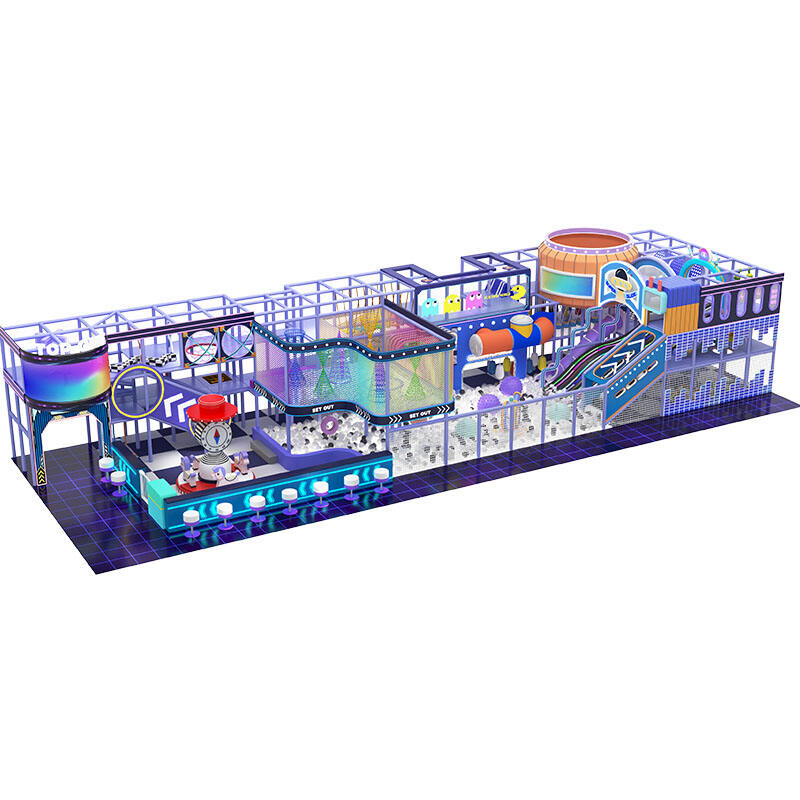
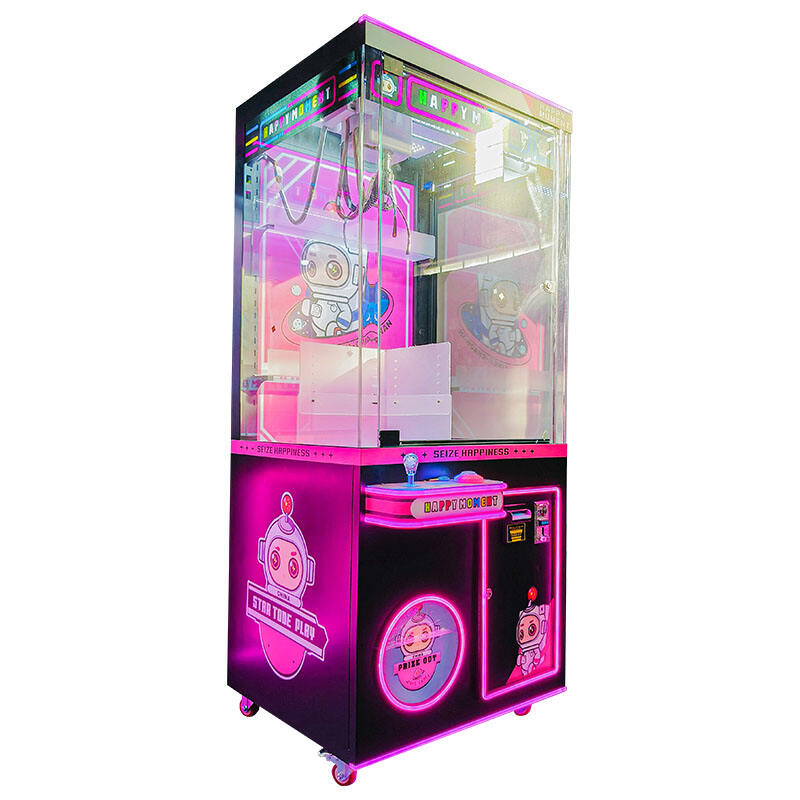
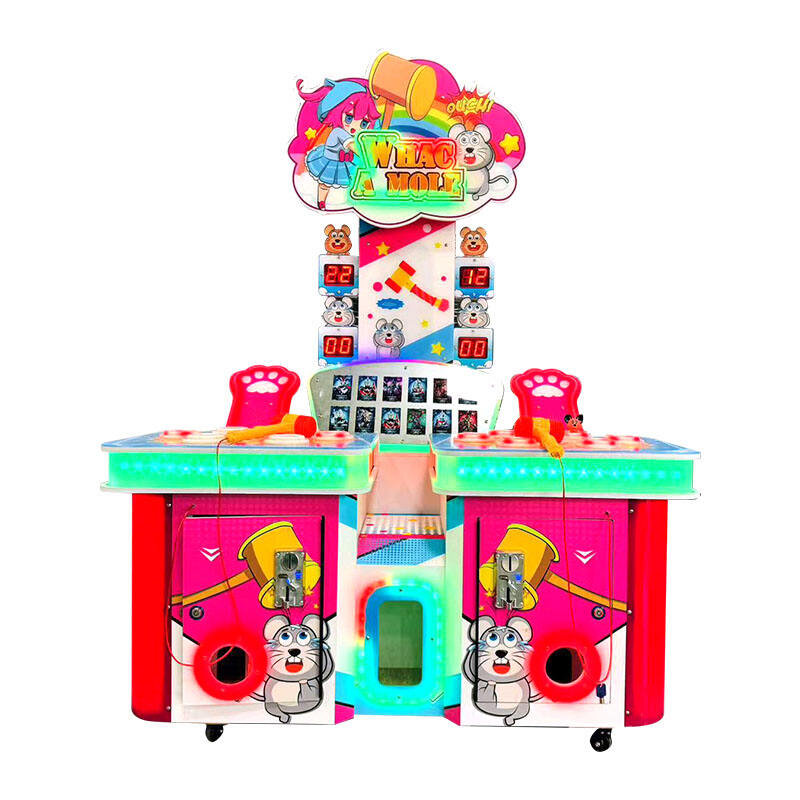
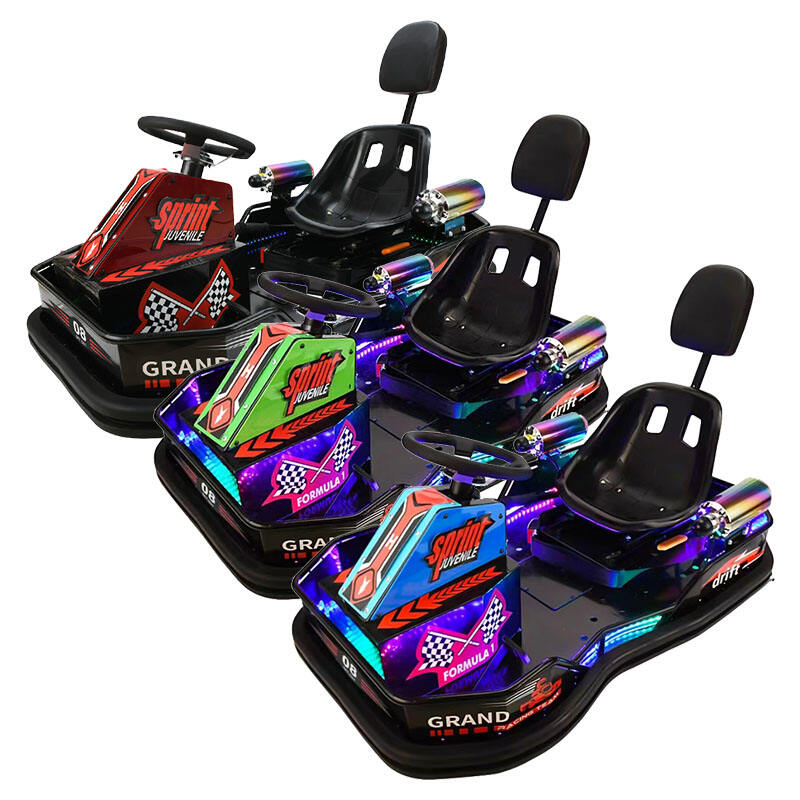
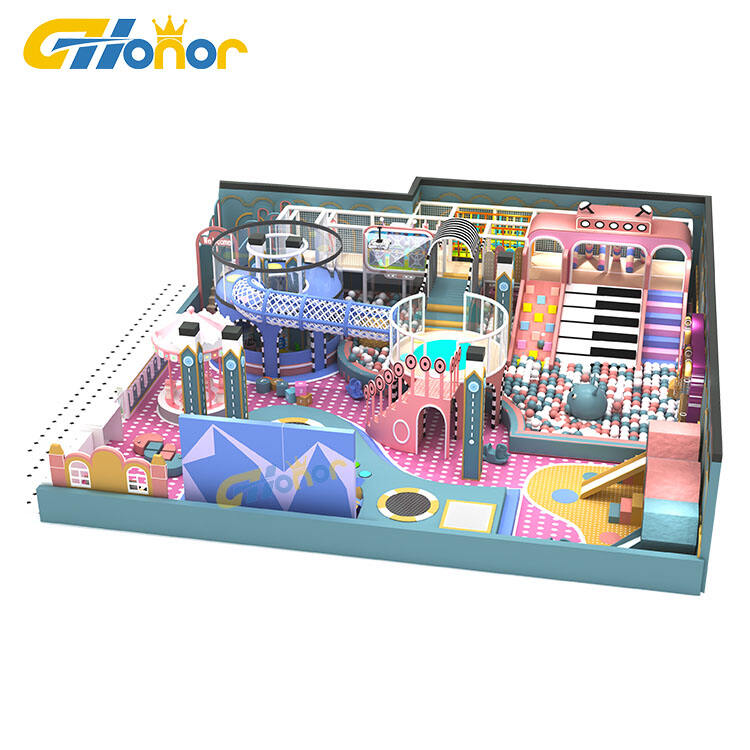
Amusement park games are interactive, engaging activities designed to entertain visitors of all ages while offering the chance to win prizes, adding a dynamic layer of fun to the overall amusement park experience. These games range from classic skill-based challenges to modern interactive experiences, providing short, accessible entertainment that complements rides and attractions, encouraging friendly competition and repeat participation. Skill-based amusement park games are designed to test precision, coordination, and timing, rewarding practice and talent. Examples include ring toss, where players throw plastic rings to land around bottles or pegs; basketball shootout, which challenges accuracy in sinking shots within a set time; and balloon darts, requiring steady aim to pop balloons with darts for prizes. Skee-ball is another staple, where players roll balls up a ramp to land in scoring holes, with higher points awarded for smaller targets. These games often have adjustable difficulty levels—closer targets for children, farther ones for adults—to ensure inclusivity, allowing everyone to feel a sense of achievement. Luck-based games rely on chance, making them appealing to casual players who may not want to invest time in mastering skills. Claw machines, where players maneuver a mechanical claw to 抓取 stuffed animals or toys, are a popular example, blending mild skill with randomness in how the claw grips. Other luck-based games include spin-the-wheel, where a rotating wheel determines prizes; “pick a duck,” where numbered ducks are selected from a pool to match winning numbers; and lottery-style ticket games, where scratching off panels reveals potential prizes. These games thrive on anticipation, as the outcome is uncertain, creating excitement with every attempt. Many amusement park games incorporate thematic elements that align with the park’s overall design, enhancing immersion. For example, a pirate-themed park might feature “treasure hunt” games where players dig for prizes in sand pits, while a carnival-themed area could offer classic games like strongman hammer tests or milk bottle knockdown. Interactive digital games are also becoming more common, using touchscreens, motion sensors, or augmented reality to create modern twists on traditional concepts, such as virtual ring toss or interactive trivia challenges. Prizes play a crucial role in motivating participation, ranging from small items like keychains, stickers, or candy for children to larger plush toys, electronics, or park merchandise for more challenging games. The visibility of prizes—displayed prominently above or beside game booths—attracts players, with more valuable items reserved for harder games to encourage repeated attempts. Operators often adjust prize quality and game difficulty to balance profitability with player satisfaction, ensuring the games feel fair and rewarding. Amusement park games are strategically placed throughout the park, often along pathways or near ride exits, to capture foot traffic and provide entertainment during wait times for popular attractions. They are staffed by friendly attendants who explain rules, distribute prizes, and maintain a lively atmosphere, adding to the social and interactive nature of the experience. Whether played individually, in groups, or as part of family activities, these games foster laughter, friendly competition, and shared memories, making them an integral part of the amusement park experience.
 EN
EN