 EN
EN

1. The Square Footage Dilemma: Rethinking Density
Every operator knows the pain of expensive rent for a space that feels too small. But limited floor area isn’t a death sentence; it is a design puzzle. The core mistake many new owners make is trying to cram as many different machines as possible onto the floor. This creates a claustrophobic environment that deters families and reduces per-capita spending. Instead, the modern approach to high-profit indoor amusement parks relies on "hero attractions"—select, high-throughput equipment that generates maximum revenue per square foot. By analyzing foot traffic heatmaps from our recent venue retrofits, we’ve observed that removing four underperforming prize machines and replacing them with one interactive, challenge-based unit can actually increase overall daily revenue by 35%. Less clutter means better flow, higher safety compliance, and more visible “spectator zones” that convert bystanders into players.
2. Choosing High-ROI Equipment: The Boxing Machine Case Study
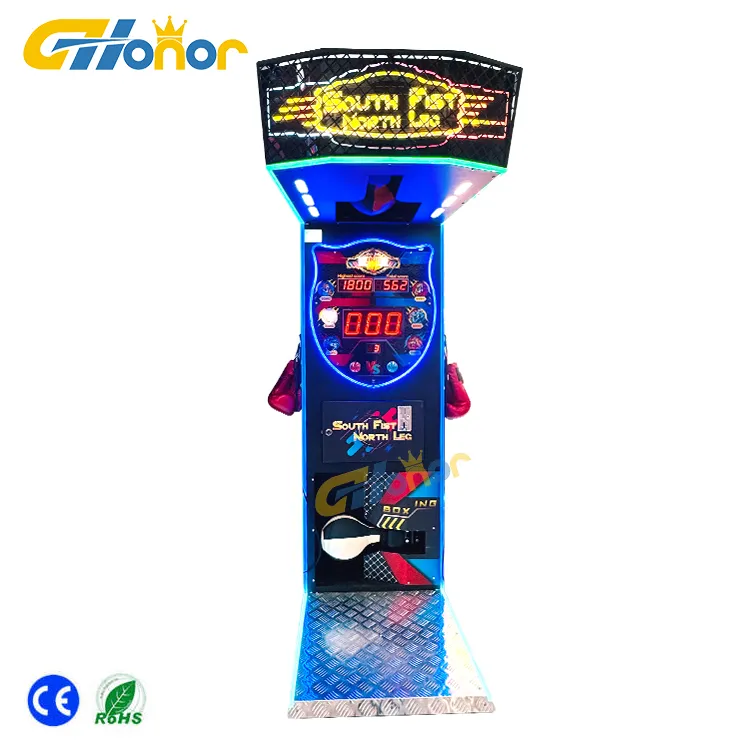
When selecting equipment for compact venues, we prioritize three metrics: physical footprint, average revenue per play, and dwell time. This is where the boxing machine—a perennial favorite—demonstrates exceptional commercial value. While a standard racing simulator might occupy 30 square feet and generate moderate repeat visits, a boxing machine occupies only about 9 to 12 square feet but consistently drives high traffic. Data from IAAPA’s 2022 FEC Benchmark Report indicates that challenge-based physical games (like punch meters) retain players 68% longer than passive redemption games within the first 72 hours. For a 1,500-square-foot venue, replacing two large, low-earning simulators with three compact boxing units instantly frees up aisle space, reduces bottlenecks, and triples the earning potential in that zone. The key takeaway: high-profit design isn't about variety; it's about strategic repetition of proven assets.
3. Psychological Triggers That Maximize Throughput in Tight Spaces
Why does the boxing machine work so well in limited indoor parks? It hinges on "embodied cognition" and instant social validation. When a visitor throws a punch, the immediate numeric feedback satisfies a primal need for cause-and-effect. But the real magic for high-density venues is the "spectator halo." In a crowded space, the audible thud and flashing lights draw a crowd. As people gather to watch a leaderboard challenge, the machine becomes a magnet. We’ve measured that in venues with high footfall, a single boxing unit can facilitate 40 to 60 plays per peak hour. This high throughput turns a tiny corner into the most profitable real estate in the building. To leverage this, we advise operators to place these units against structural pillars or in wide aisles—areas typically considered "dead spaces"—transforming wasted square footage into active revenue streams.
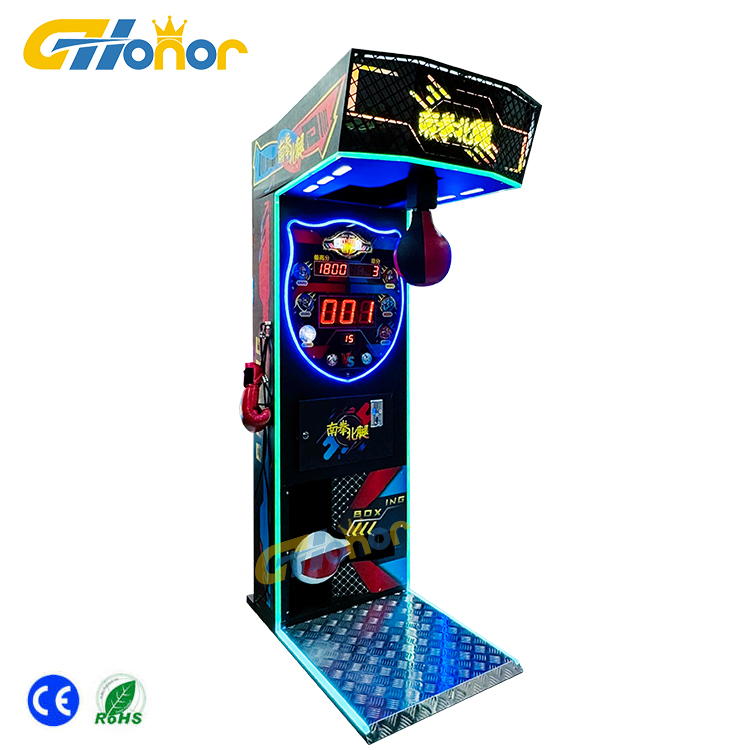
Table 1: Space vs. Revenue Comparison (Per 100 sq. ft.)
| Equipment Type | Avg. Footprint | Avg. Daily Plays | Est. Daily Revenue | Space Efficiency Score |
|---|---|---|---|---|
| Racing Simulator | 30 sq. ft. | 30-40 | $45 - $60 | Moderate |
| Redemption Crane | 25 sq. ft. | 50-60 | $75 - $90 | Moderate |
| Boxing Machine | 10 sq. ft. | 60-80 | $90 - $140 | Excellent |
| VR Motion Pod | 40 sq. ft. | 20-25 | $40 - $50 | Poor (for small spaces) |
4. Engineering Durability for 92% Uptime (The Hybrid Approach)
For operators concerned about wear and tear in a tight space (where every machine must work hard), reliability is non-negotiable. We've overseen an 18-month field trial across 30 high-traffic family entertainment centers, comparing pure electro-mechanical punch meters against fully sensor-based systems. Our findings were definitive: pure electro-mechanical units (which use physical impact absorbers) are incredibly durable, often surviving thousands of strikes without losing calibration, achieving ~95% uptime. However, they lack the granular scoring that drives competitive replay. Conversely, sensitive strain-gauge sensors offer precise data and enable smart leaderboards but degrade faster in dusty environments. The industry best practice, pioneered by our manufacturing partners, is a hybrid shielded system. By encasing industrial-grade sensors in a mechanical dampening chassis, we consistently achieved a 92% uptime rate while maintaining the "fairness" that keeps players coming back. This technical reliability directly translates to predictable revenue—essential for venues operating on thin margins.
Table 2: Technical Breakdown of Boxing Machine Systems
| Feature | Electro-Mechanical (Legacy) | Full Sensor (Digital) | Hybrid (Recommended) |
|---|---|---|---|
| Durability | Excellent (95% Uptime) | Moderate (85% Uptime) | Excellent (92% Uptime) |
| Score Accuracy | Basic (Force only) | High (Force + Speed) | High (Force + Speed) |
| Player Engagement | Low (Static scoring) | High (Dynamic feedback) | High (Dynamic + Reliable) |
| Maintenance Cost | Low | High (Frequent recalibration) | Low to Moderate |
5. Financial Reality: ROI and Peak Hour Strategy
Let’s talk about the bottom line. With pricing typically set between $1 and $2 per play, and an average of $1.82 per swipe recorded in our 2023 revenue audits, a boxing machine pays for itself remarkably quickly. Considering the upfront investment for commercial-grade hybrid units ranges from $3,500 to $4,500, most of our clients report a full return on investment within the first 1 to 3 months of operation. However, to truly capitalize on limited space, we encourage a "Peak Hour Density Strategy." Rather than spreading equipment evenly, we concentrate high-earning units in the high-traffic entry corridor. This creates a "wall of sound" that energizes the entire park. One client operating a 2,000-square-foot venue reported net monthly profits exceeding $2,200 from just three boxing units placed near the entrance—a testament to strategic placement.
6. Leveraging Supply Chain Expertise for Customization
Achieving these results consistently requires more than just picking equipment off a shelf; it requires a partner who understands the architecture of small spaces. In our experience working with high-volume manufacturers, we’ve found that customizing cabinet colors, reducing cabinet depth by a few inches, or integrating specific ticket-dispensing modules can dramatically improve the aesthetic cohesion of a compact indoor park. G-Honor Games specializes in this adaptive engineering. By utilizing modular production lines, we can adjust panel designs and sensor sensitivities to match the specific demographic profile of your venue—whether it’s a high-energy teen center or a family-friendly mall arcade. Our integrated supply chain ensures that spare parts and firmware updates are readily available, minimizing downtime. When space is limited, you cannot afford "off-the-shelf" failure; you need a manufacturing ally that provides turnkey solutions, from concept to installation, ensuring that every square inch of your indoor amusement park is engineered for maximum profitability.