 EN
EN

Why Multiplayer Racing Games Boost Engagement and Revenue in FECs
Family entertainment centers love having multiplayer racing games because these attractions bring people together when they might otherwise be playing alone. The steering wheels and foot pedals are super easy to pick up, so kids, parents, and even grandparents can jump right in without needing instructions. Arcade owners notice this works really well for groups. About 38 percent of all shared gaming time happens at racing cabinets according to industry reports. What makes these games special is how exciting they get when friends race against each other or work as teams. People watching often get drawn into the action too. Arcades that set aside space specifically for racing games see customers staying around 27% longer than regular arcades. That means more chances to sell snacks, drinks, and keeps folks coming back for another round.
These games are built for tournaments right from the start, which really boosts their profit potential. When cabinets are linked together, they let multiple players race at once with everything synced up properly. The start lights go off simultaneously, screens show everyone's progress side by side, and all racers see the same leaderboard updates as professionals would in actual races. The system automatically creates brackets and keeps track of who wins what over time, turning what could be random fun sessions into organized competitions people actually come back for week after week. Arcade operators find this particularly valuable when booking large groups for things like kids' birthdays or company team building days. The money made per square foot during these events is way higher than regular solo gameplay sessions. What makes these racing games so successful commercially? They offer immediate fun right when someone walks in the door, but also keep bringing customers back because there's always something new to beat or achieve. This mix of instant gratification and long term challenge helps family entertainment centers maintain strong financial performance month after month.
Top Multiplayer Racing Arcade Machines with Competitive & Collaborative Modes
Linked Cabinet Racing Games: Real-Time Multiplayer, Shared Leaderboards, and Tournament Readiness
When cabinets get linked together, solo racing turns into something totally different - an exciting group experience where everyone competes at once. The machines work together so people can race live against each other. Screens show where everyone stands during these races, and split screen views really bring out how close the action gets when competitors are right next to one another. These setups come packed with tournament features too, things like automatic bracket creation, time limited qualification sessions, and those online leaderboards that sync across all devices. Arcade owners have noticed something interesting about their earnings. Machines with multiplayer options bring in around 70-75% more money compared to regular single player units according to industry reports from last year. Keeping track of scores together changes everything for racers. What used to be just personal best times becomes a team effort now. Players start thinking about ways they can improve not just for themselves but also to help climb up those rankings. This keeps them coming back again and again, spending longer periods at the machines, which naturally builds stronger connections with the brand over time.
Co-op and Family-Friendly Racing Experiences: Pit Crew Challenges and Team-Based Scoring
Venues that want to be more inclusive often turn to cooperative game modes instead of regular competitive formats. Pit crew style challenges put players through coordinated tasks between races, such as changing tires or refilling fuel under pressure. The scoring system focuses on what teams accomplish together rather than just individual performance. Groups get points for staying in formation during laps, reaching certain speed benchmarks, or finishing relay-style circuits where everyone has a role. This approach helps level the playing field among different skill levels and encourages better communication, which makes sense when kids and adults are playing side by side. Simple controls, settings that can be adjusted for different ages, plus physical feedback from buttons and levers let younger players actually participate in meaningful ways. Game operators report seeing around 40% longer stays from groups overall, because what starts as fast paced racing turns into something more like a shared story where everyone contributes to the outcome instead of just chasing personal wins.
Immersive Racing Game Solutions: Motion Seats, VR, and AR Integration for FECs
VR and AR Racing Games: Measuring ROI Through Dwell Time, Repeat Visits, and Social Sharing
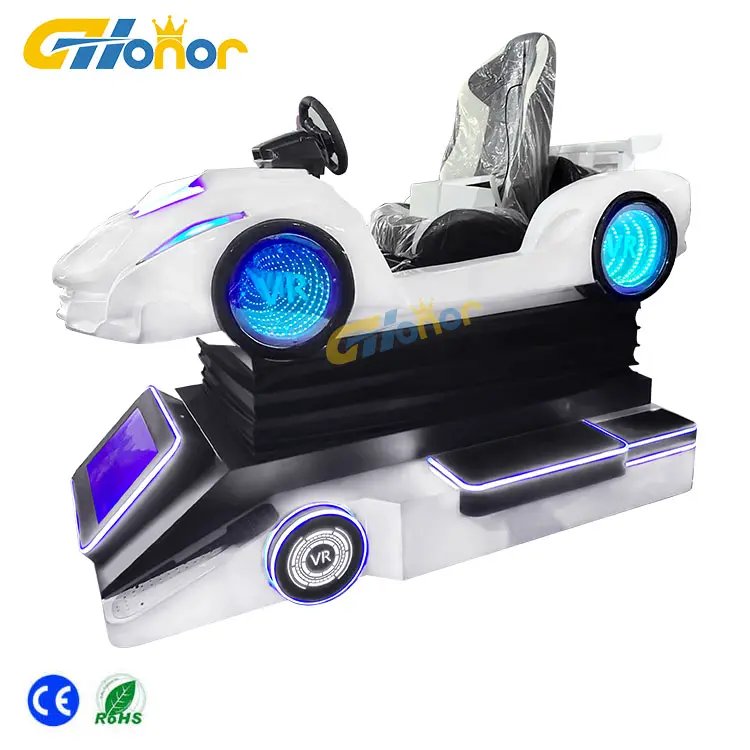
VR and AR racing games really boost what FECs can offer because they create those super memorable, sensory-packed experiences people talk about for days. The motion seats do all sorts of things like simulate g-forces, vibrate when hitting bumps, and even mimic different road surfaces through haptic tech. This makes riders feel the action in their bones while seeing it too. According to Entertainment Tech Quarterly from last year, these realistic features actually make folks stay longer at rides by around 40%. Guests just get so caught up in these incredibly lifelike virtual worlds that time flies right past them.
Three measurable outcomes validate ROI:
- Dwell time increases through synchronized visual, auditory, and tactile immersion
- Repeat visits rise as players return for new tracks, vehicles, and challenge modes
- Social sharing expands organic reach when users post AR-enhanced race clips or VR highlight reels
Operators report 25% higher revenue per square foot from VR/AR racing attractions. Group headset sharing during co-piloted or relay-style races further boosts throughput and peer-to-peer promotion—turning every session into a shareable moment without added marketing spend.
Selecting the Right Racing Game for Your Venue: Accessibility, Throughput, and Revenue Optimization
Balancing Age Appeal, Maintenance Costs, and Revenue per Square Foot in Racing Game Deployment
Picking the right racing game boils down to matching what people want, what makes business sense, and how much floor space we have available. Games that families enjoy tend to attract more visitors overall, though they usually only bring in about half a dollar to $1.50 each time someone plays them. On the flip side, high-end simulators aimed at serious gamers can charge double or even quadruple that amount per session. When it comes to money matters over time, maintenance is king. Those fancy moving seats cost roughly 30% more to maintain annually compared to regular cabinets, but they keep players hanging around longer too, which means more food sales and extra merchandise purchases later on. Compact models with two seats next to each other regularly pull in over $120 a month just from their footprint alone, beating out those big single player machines hands down. Operators thinking about expanding would be wise to test things locally first. Look at how long folks stick around, check average group sizes, track redemption rates across different areas of the venue, all this helps determine if something will work well there and allows better planning for where to place these attractions.
FAQ
What are the benefits of multiplayer racing games in family entertainment centers (FECs)?
Multiplayer racing games boost engagement by bringing people together, increasing shared gaming time, and keeping customers in the venue longer, which raises revenue through additional snack and drink sales.
How do linked cabinet racing games enhance arcade experiences?
Linked cabinet racing games transform solo play into a thrilling group activity with tournament features like shared leaderboards and synchronized play. These additions make the games more engaging and profitable for arcade operators.
How do VR and AR racing games impact family entertainment centers?
VR and AR racing games enhance visitor experiences with immersive sensory effects, leading to increased dwell time, repeat visits, and social sharing, which significantly boosts revenue.
Table of Contents
- Why Multiplayer Racing Games Boost Engagement and Revenue in FECs
- Top Multiplayer Racing Arcade Machines with Competitive & Collaborative Modes
- Immersive Racing Game Solutions: Motion Seats, VR, and AR Integration for FECs
- Selecting the Right Racing Game for Your Venue: Accessibility, Throughput, and Revenue Optimization
- FAQ