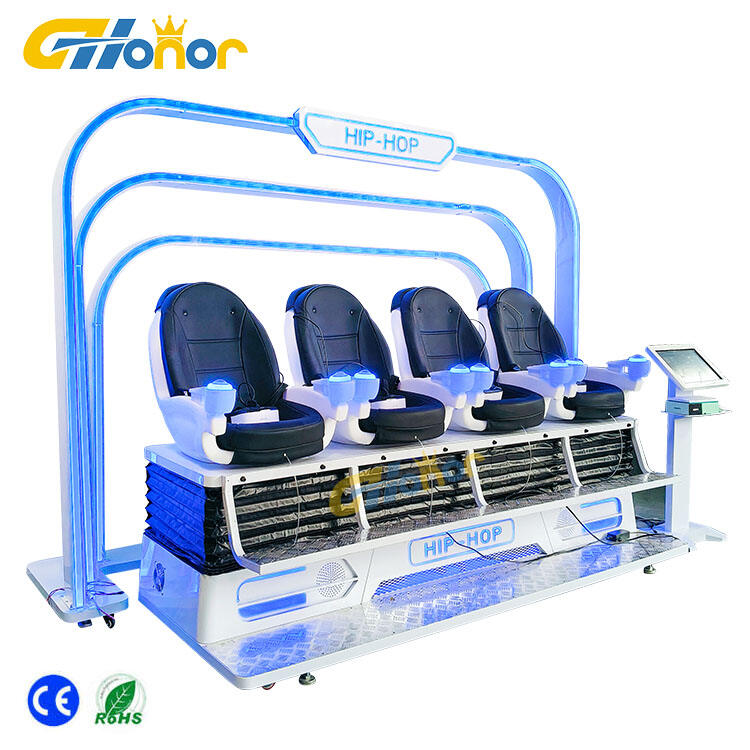
A VR system is a comprehensive set of hardware and software designed to create and deliver virtual reality experiences, enabling users to interact with and immerse themselves in computer-generated environments. These systems combine cutting-edge technology to simulate sight, sound, and sometimes touch, creating a sense of presence that makes users feel physically present in the virtual world. The core hardware components of a VR system include a VR headset, which covers the user’s eyes and displays high-resolution, stereoscopic 3D visuals—one screen for each eye—to create depth perception. The headset is equipped with motion sensors (accelerometers, gyroscopes, magnetometers) or external tracking cameras that monitor head movements in real time, ensuring that the virtual environment shifts naturally as the user looks around. This low-latency tracking is critical to preventing motion sickness and maintaining immersion. Input devices are another key part of a VR system, ranging from handheld motion controllers that track hand and arm movements to full-body tracking sensors, gloves with haptic feedback, or treadmills that allow users to walk or run in place while moving through the virtual space. These devices translate physical gestures into in-game actions, such as picking up virtual objects, pressing buttons, or swinging a tool, making interactions with the virtual environment feel intuitive and natural. Audio components include spatial audio systems, often built into the headset or surrounding speakers, which deliver sound that appears to originate from specific directions within the virtual environment. This acoustic realism enhances immersion by matching what the user sees with what they hear, making the virtual world feel more believable. The software side of a VR system includes the operating system that runs the hardware, drivers that ensure components work together seamlessly, and applications or content—games, simulations, educational programs, or virtual tours—that create the virtual environments. This software uses advanced 3D rendering engines to generate detailed, smooth visuals and physics engines to simulate realistic object movements and interactions. VR systems vary in complexity and purpose: standalone systems are all-in-one headsets with built-in processors, ideal for casual users; PC-tethered systems connect to powerful computers for high-fidelity experiences; and commercial systems, found in arcades or training facilities, often include specialized hardware like motion platforms or haptic suits. Regardless of type, all VR systems aim to create a cohesive, immersive experience by integrating hardware and software to trick the brain into accepting the virtual environment as real, opening up endless possibilities for entertainment, education, and exploration.
 EN
EN