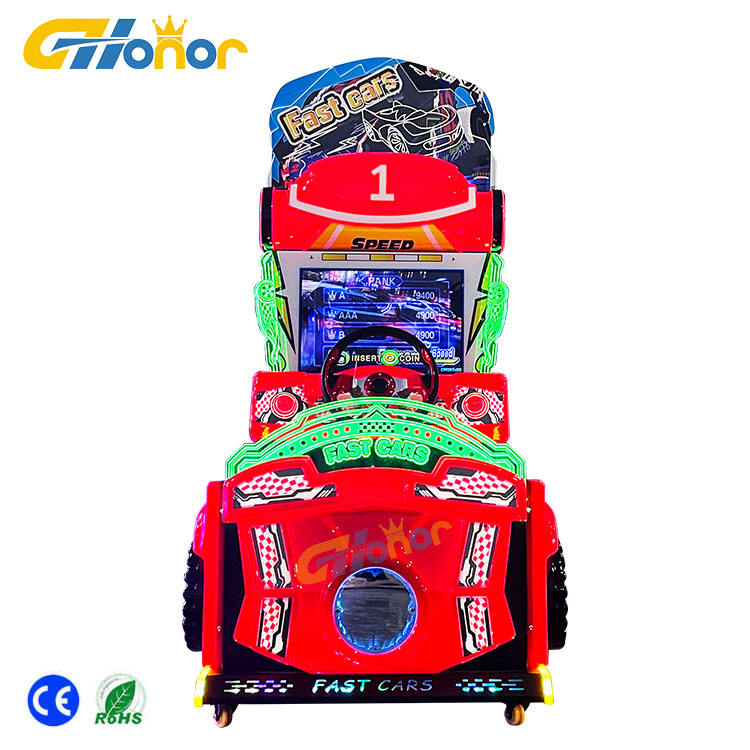
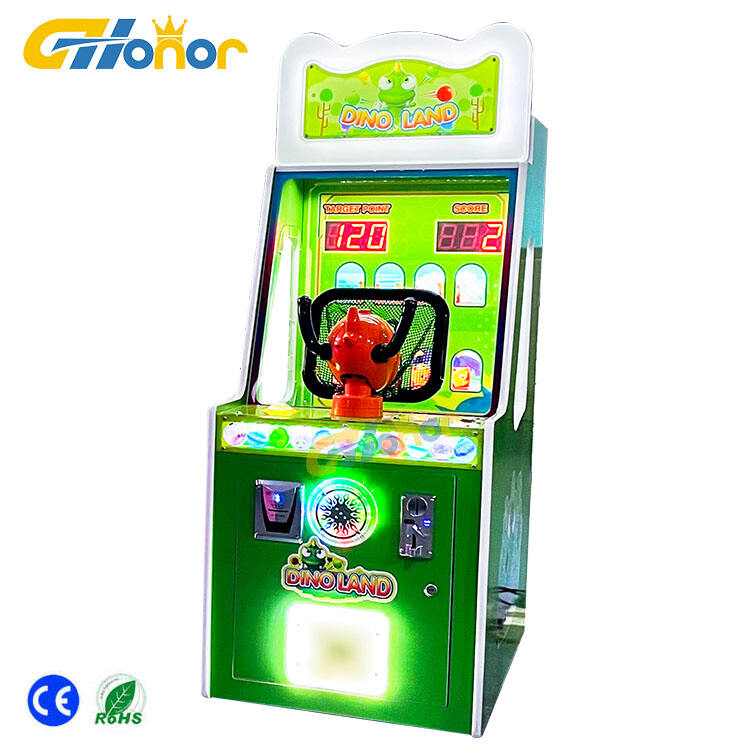
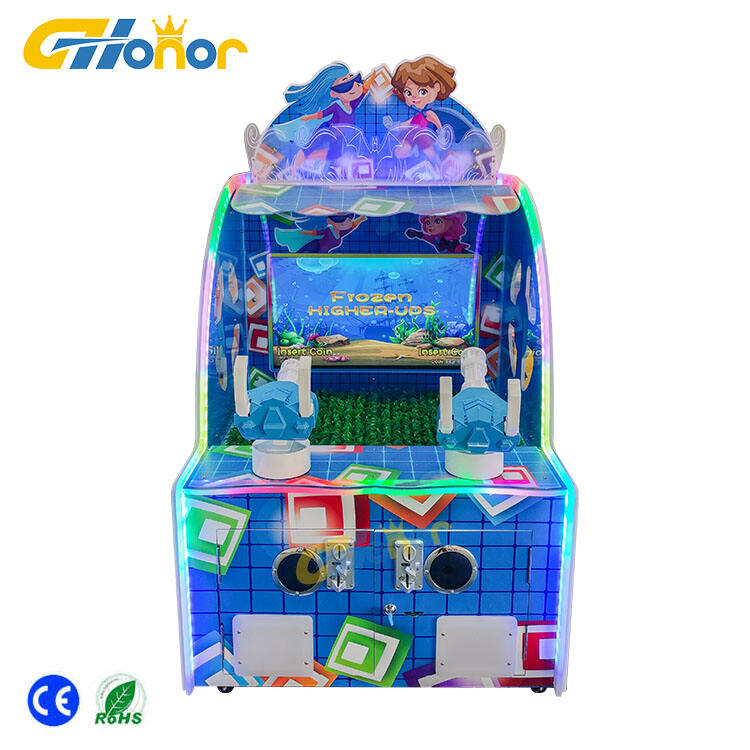
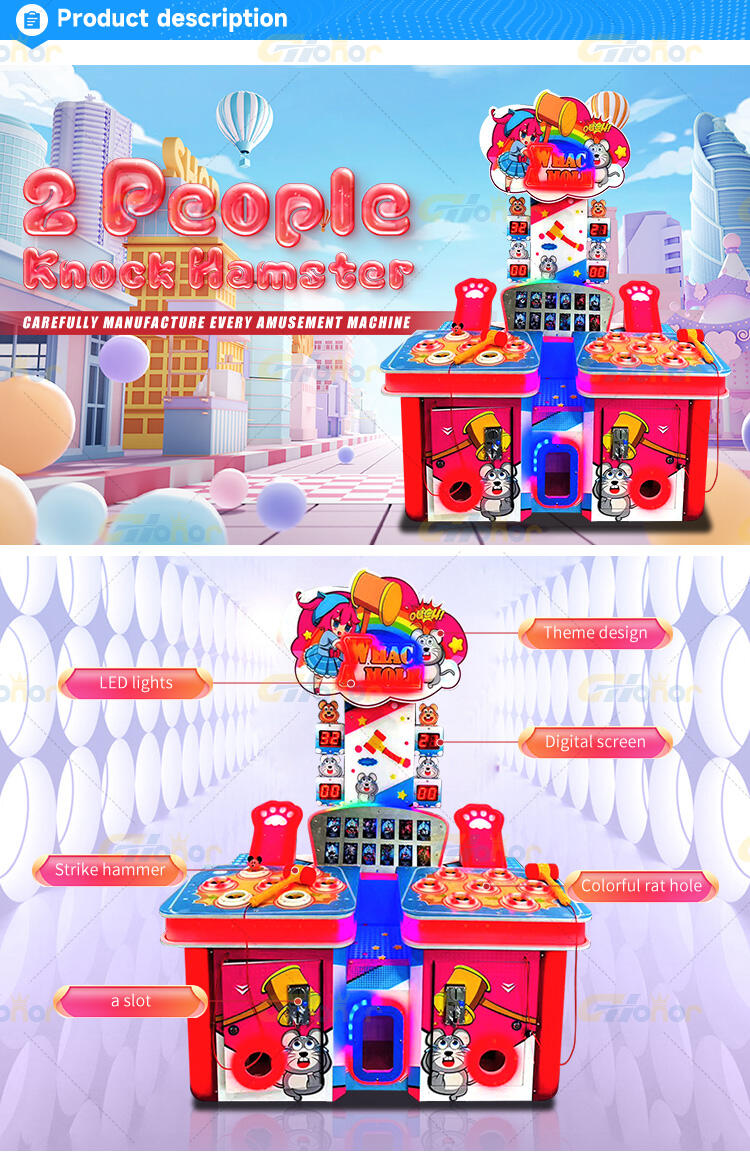
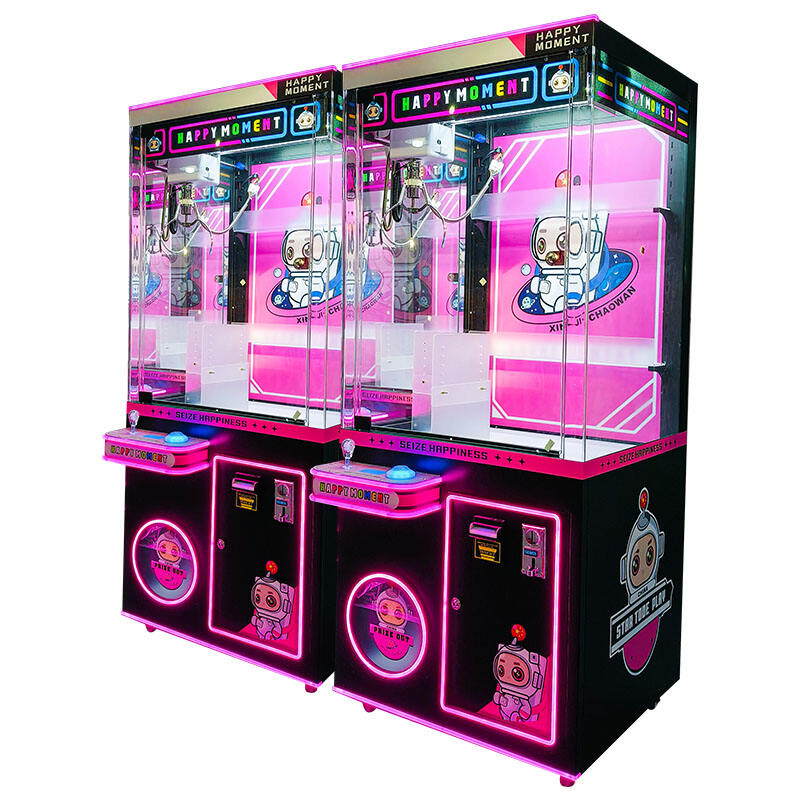
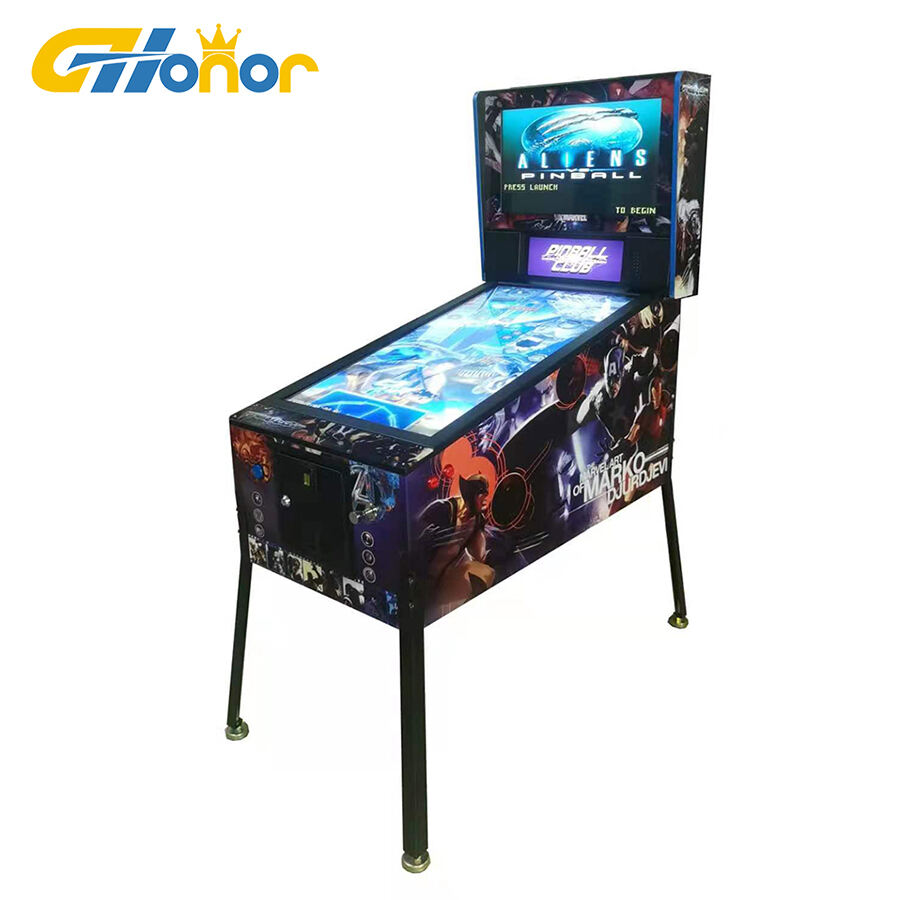
Video game equipment encompasses the hardware and accessories used to play, develop, and enhance video games, ranging from core devices like consoles and controllers to specialized tools for streaming, competitive gaming, and content creation. This equipment is essential for accessing and enjoying video games across various platforms, with advancements in technology continuously improving performance, comfort, and immersion. Core gaming hardware forms the foundation of video game equipment, with options tailored to different platforms. Consoles—such as PlayStation, Xbox, and Nintendo Switch—are dedicated gaming devices that connect to TVs or monitors, offering plug-and-play access to games with optimized performance. Personal computers (PCs) designed for gaming feature powerful processors, graphics cards, and memory to handle high-resolution visuals and complex gameplay, with customizable components allowing users to upgrade over time. Mobile devices, including smartphones and tablets, have become popular gaming platforms, with touchscreens serving as primary controllers, though they can also connect to external accessories for enhanced play. Handheld consoles, like the Nintendo 3DS or Steam Deck, offer portable gaming with built-in screens and controls, combining the convenience of mobile devices with the performance of traditional consoles. Controllers and input devices are critical for interacting with video games, varying by platform and game type. Console controllers feature ergonomic designs with buttons, analog sticks, triggers, and motion sensors, allowing precise control in genres like action-adventure, sports, and racing. PC gamers often use keyboards and mice, ideal for strategy games, first-person shooters, and MMOs, with mechanical keyboards offering tactile feedback and programmable keys for custom shortcuts. Specialized controllers include steering wheels and pedals for racing games, flight sticks for flight simulators, and dance pads for rhythm games, enhancing immersion by mimicking real-world actions. Motion controllers—such as the PlayStation Move, Xbox Kinect, or Nintendo Wii Remote—use sensors to detect body movement, enabling gesture-based gameplay in fitness or party games. Display and audio equipment enhance the sensory experience of video games. Monitors and TVs with high refresh rates (120Hz or higher) and low response times reduce motion blur, crucial for fast-paced games like shooters or fighting games. Curved monitors and ultrawide displays create a more immersive field of view, while 4K and HDR (High Dynamic Range) technology deliver vibrant colors and sharp details, bringing game worlds to life. Projectors offer large-screen gaming experiences, suitable for multiplayer sessions or home theaters. Audio equipment includes gaming headsets with surround sound, noise cancellation, and built-in microphones for communication in multiplayer games, as well as speakers or soundbars that deliver rich, spatial audio to enhance atmosphere—from the rustle of leaves in a forest to the roar of engines in a race. Streaming and content creation equipment have grown in importance with the rise of gaming as a spectator sport. Capture cards allow gamers to record or stream gameplay from consoles or PCs to platforms like Twitch or YouTube, with high-definition (1080p or 4K) recording capabilities. Webcams and microphones enable facecam streams and commentary, with professional-grade options offering high resolution and noise reduction. Green screens and lighting kits help create polished backgrounds for streams, while tripods and mounts position equipment for optimal angles. Competitive gaming (esports) equipment is designed for performance and durability, with high-sensitivity mice, low-latency keyboards, and lightweight headsets that reduce fatigue during long tournaments. Ergonomic chairs and desk setups support proper posture, ensuring comfort during extended play sessions. Accessories like controller grips, thumbstick covers, and cable management systems improve usability and organization, while cooling pads prevent laptops and consoles from overheating during intense gameplay. Maintenance equipment, such as screen cleaners, compressed air cans for dusting keyboards, and cable ties, helps keep video game equipment in good condition, extending its lifespan. Whether for casual play, competitive gaming, or content creation, video game equipment plays a vital role in shaping the gaming experience, with each piece contributing to accessibility, performance, and enjoyment.
 EN
EN