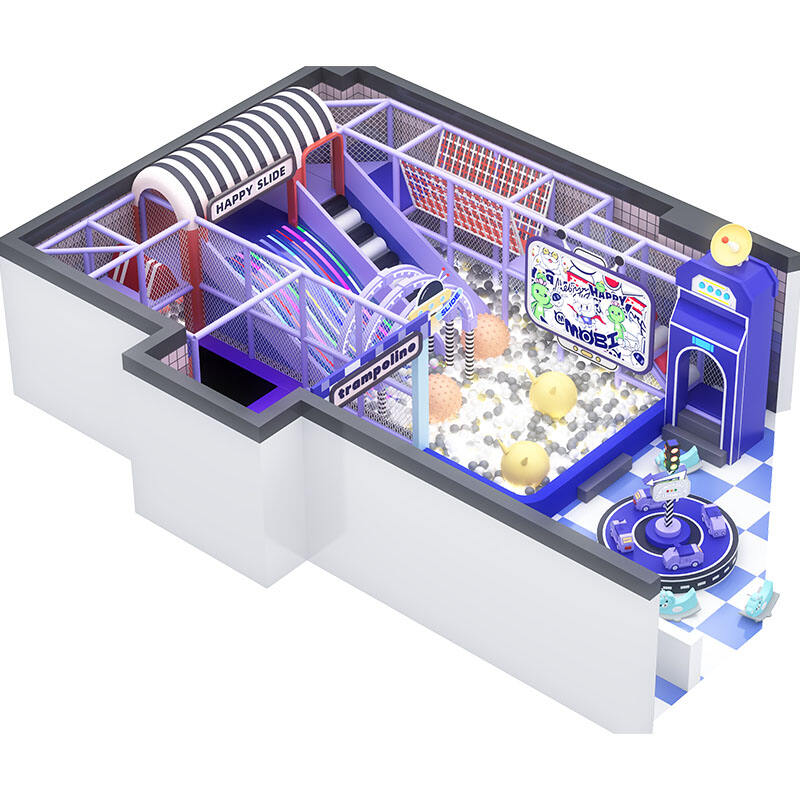
Kids indoor playground design is a specialized process that combines child development principles, safety engineering, creative aesthetics, and functional planning to create an engaging, age-appropriate, and secure indoor play environment. This design process considers how children interact with space, equipment, and each other, aiming to foster physical activity, imagination, social skills, and sensory exploration while ensuring the space is practical for operators and reassuring for parents. At the core of kids indoor playground design is age-appropriate zoning, where the space is divided into distinct areas tailored to specific developmental stages. For toddlers (1–3 years), the design focuses on sensory exploration and motor skill development, with soft, low-to-the-ground equipment (padded mats, large building blocks, mini slides) and open floor plans to encourage crawling and first steps. Preschool zones (3–5 years) introduce more structured play with small climbing structures, pretend play corners (e.g., play kitchens, dollhouses), and cooperative games that promote sharing and communication. School-age zones (6–12 years) emphasize challenge and physical activity, featuring taller climbing walls, obstacle courses, and interactive elements (like zip lines or laser mazes) that build strength, coordination, and problem-solving abilities. Safety is integrated into every design element, from rounded edges on all equipment and shock-absorbing flooring (rubber mats, foam tiles) to secure anchoring of structures and clear sightlines for supervision. Materials are non-toxic, flame-resistant, and easy to clean, with colors and textures chosen to be visually stimulating without causing overstimulation. The design also incorporates safety features like handrails, barriers around elevated platforms, and emergency exits with clear signage. Aesthetics and theme play a significant role in engaging children, with designs ranging from nature-inspired (jungles, forests) and fantasy (castles, space) to modern and minimalist. Themed elements—such as murals, custom graphics, or shaped equipment—create an immersive environment that sparks imagination, while consistent color schemes and branding help unify the space. Lighting is designed to be bright but not harsh, with natural light prioritized where possible and adjustable fixtures to create ambiance in different zones. Functionality is ensured through thoughtful layout planning, including wide pathways to prevent congestion, storage solutions for toys and equipment, and amenities for parents (seating areas, restrooms, refreshment stations). The design also allows for flexibility, with modular equipment that can be rearranged to keep the space fresh and adaptable to events like birthday parties or seasonal activities. By balancing safety, developmental needs, aesthetics, and practicality, kids indoor playground design creates a space where children thrive, parents feel confident, and operators can efficiently manage daily operations.
28
May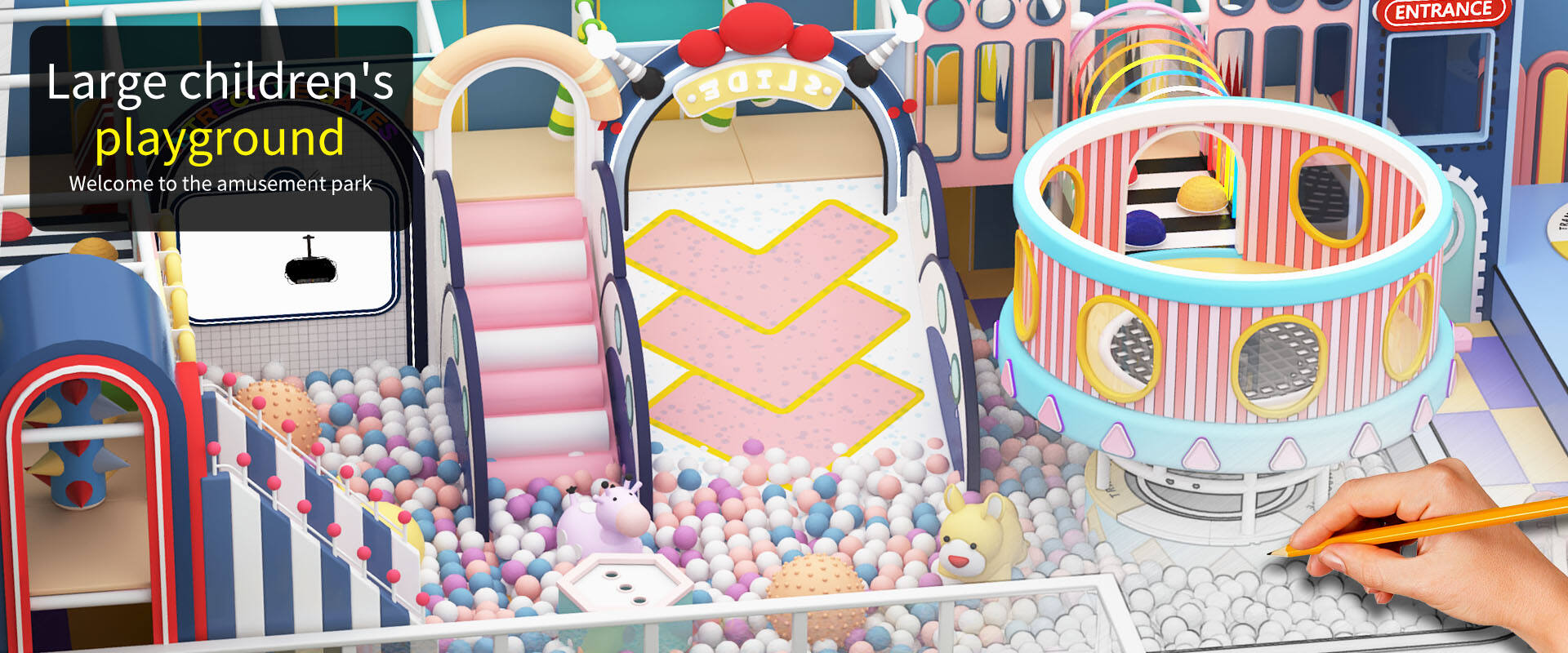
28
May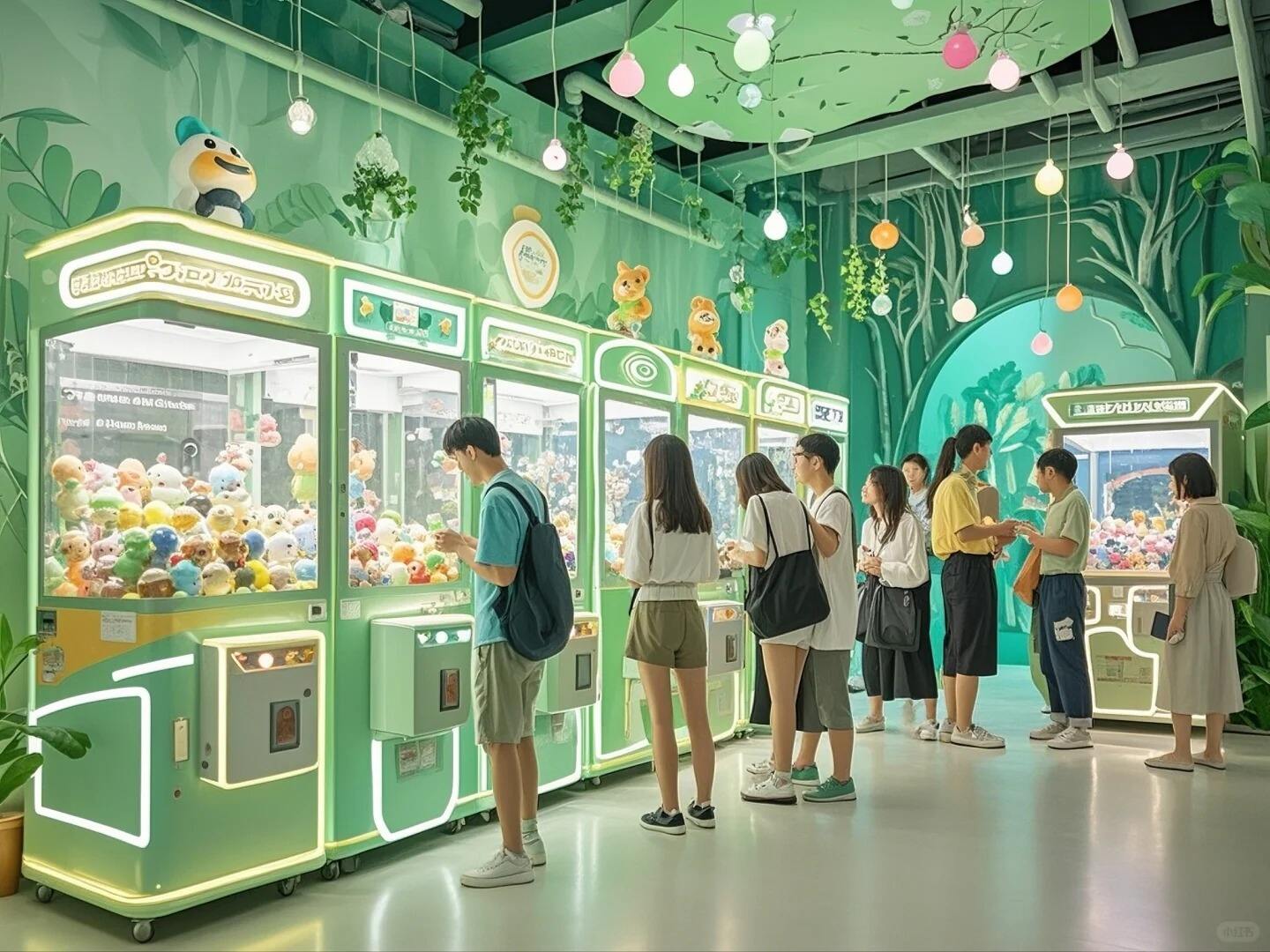
24
Mar
16
Apr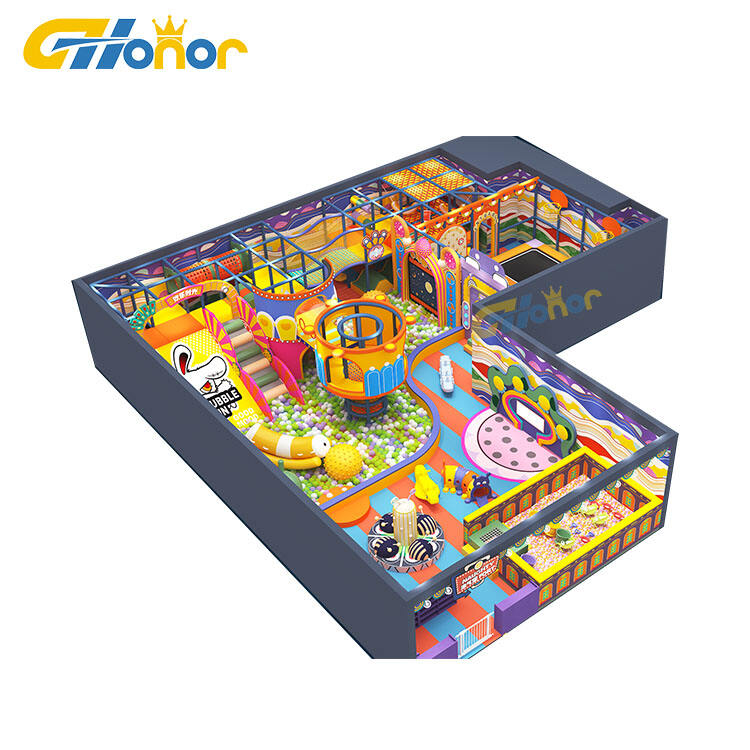

 EN
EN