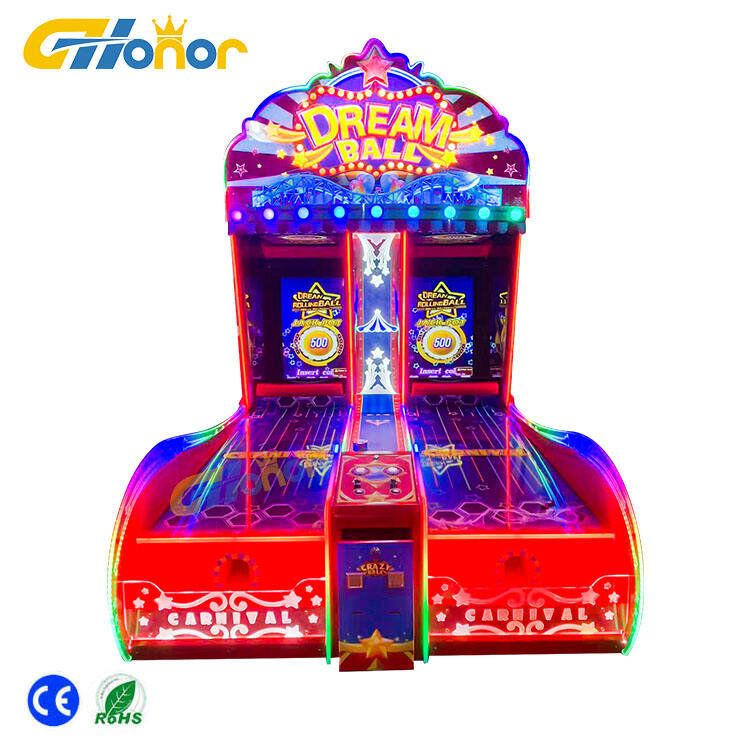
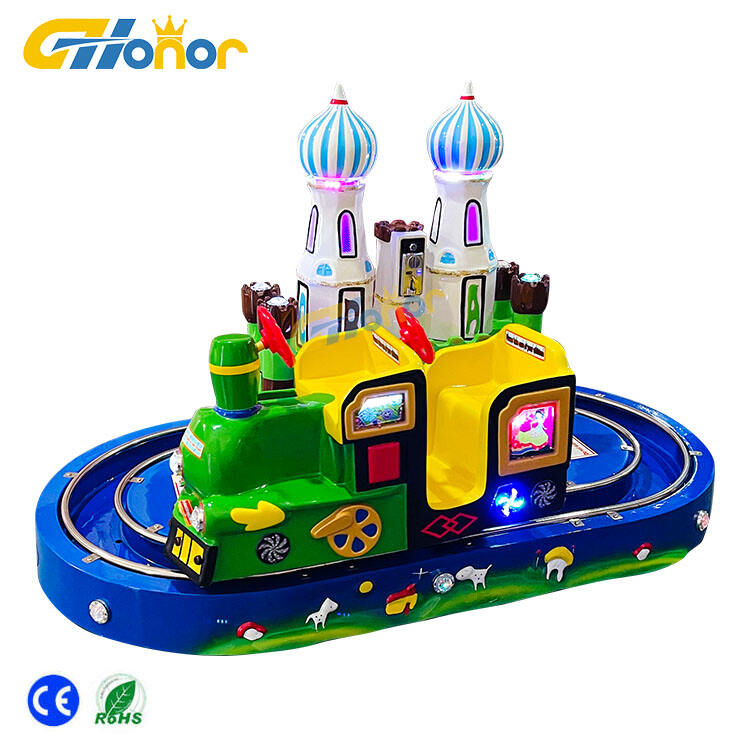
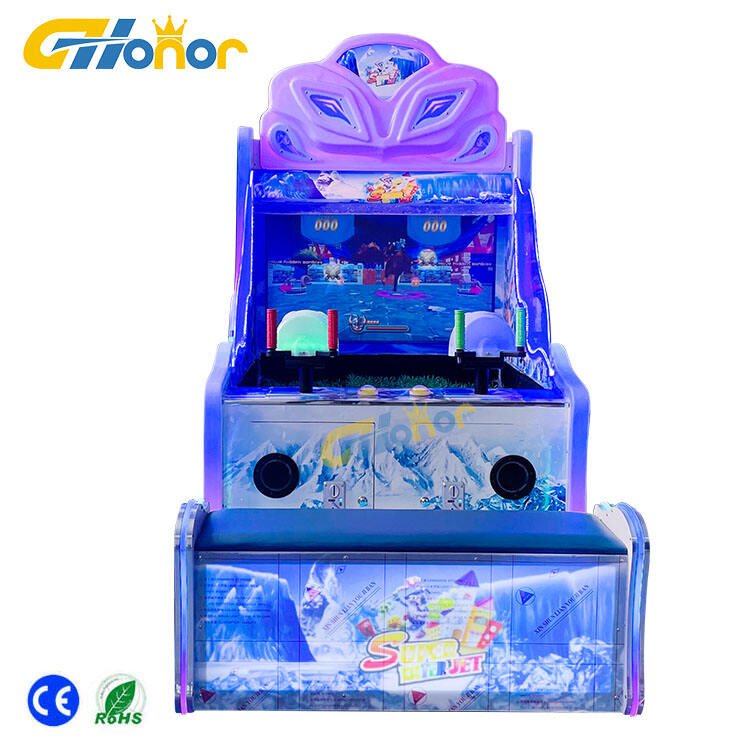
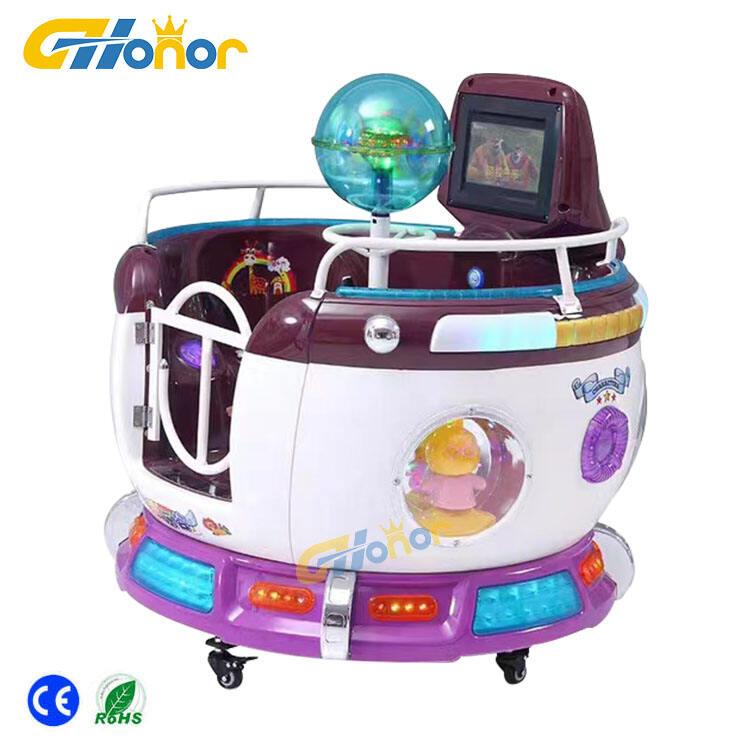
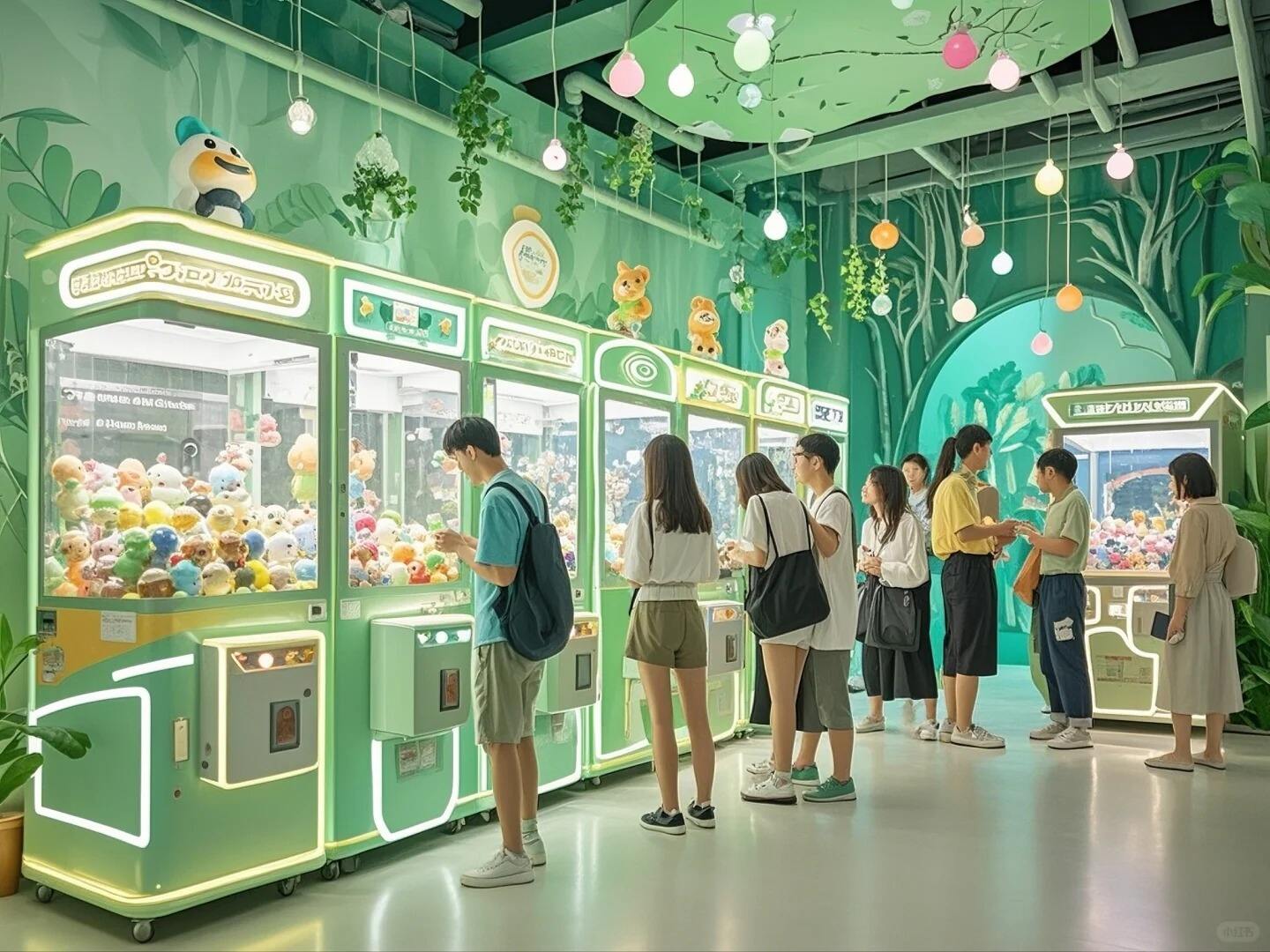
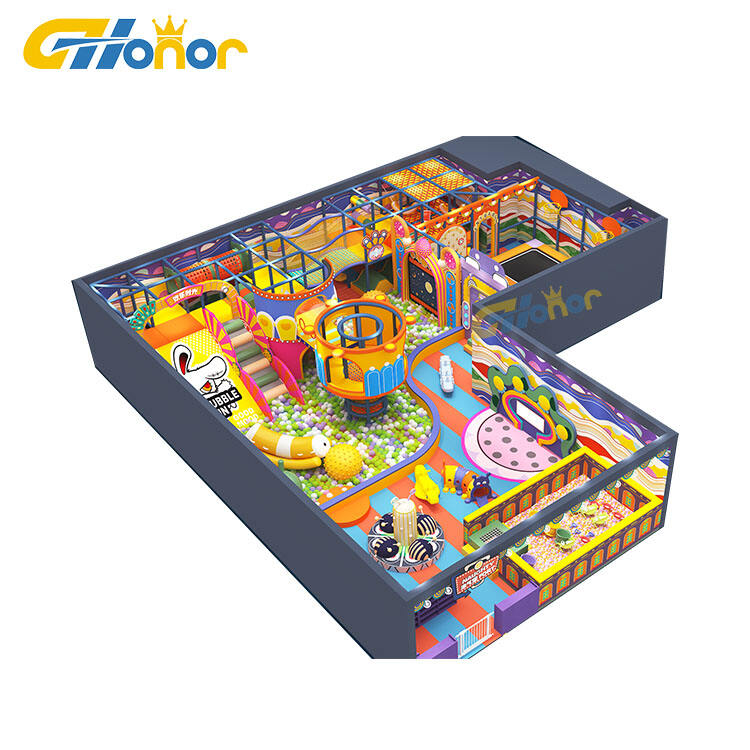
Kids indoor playground decoration involves selecting and arranging visual elements, themes, and sensory features to create a vibrant, engaging, and age-appropriate environment that enhances children’s play experiences while reflecting the playground’s brand or concept. These decorations go beyond aesthetics, influencing mood, sparking imagination, and reinforcing safety, with careful attention to durability, child-friendliness, and alignment with the playground’s target age group. Themed decorations are a cornerstone, transforming the space into a cohesive world that captures children’s interests. For example, a jungle theme might include murals of trees, animals (monkeys, elephants, birds) painted on walls, hanging vines made from fabric, and artificial plants placed around play structures. A space theme could feature starry ceiling projections, wall decals of planets and rockets, and floor stickers that look like craters or constellations. These themes are consistent across the playground, from large murals to small details like themed trash cans or signage, creating immersion that encourages role-playing and imaginative play. Color choices play a significant role in decoration, with bright, cheerful hues (primary colors for toddlers, pastels for younger kids, or bold neons for older children) stimulating energy and excitement. However, balancing vibrant colors with calming accents (like soft blues or greens in resting areas) prevents overstimulation. Wall decals, stickers, and murals are versatile decoration tools, offering easy customization without permanent changes. They can feature educational elements (alphabets, numbers, animal facts) or playful designs (cartoon characters, geometric shapes) that add visual interest and reinforce learning through play. Ceiling decorations, such as hanging mobiles, paper lanterns, or fabric streamers, draw children’s eyes upward and add depth to the space. These can be themed (e.g., hot air balloons for a travel theme, butterflies for a garden theme) and are lightweight to ensure safety. Lighting is both functional and decorative, with soft ambient lighting for toddler areas and brighter, dynamic lighting (like LED strips that change colors) in active play zones. Blacklights can create a glow-in-the-dark effect for special zones, with neon-colored equipment and decorations that stand out under UV light. Sensory decorations enhance the play experience by engaging multiple senses. Tactile elements include textured wall panels (fuzzy, bumpy, or smooth surfaces) or sensory bins filled with materials like sand, water beads, or foam blocks. Auditory features might include musical instruments (xylophones, drums) built into play structures or sound effects triggered by movement (e.g., a bird chirp when a child climbs a certain ladder). Decorations must prioritize safety, with all materials non-toxic, flame-resistant, and securely attached to prevent falling or choking hazards. Avoiding small, detachable parts, sharp edges, or fragile items ensures the environment remains safe for active play. By combining creativity, safety, and age-appropriate design, kids indoor playground decoration transforms a simple space into a magical, engaging environment that inspires play, learning, and joy.
 EN
EN