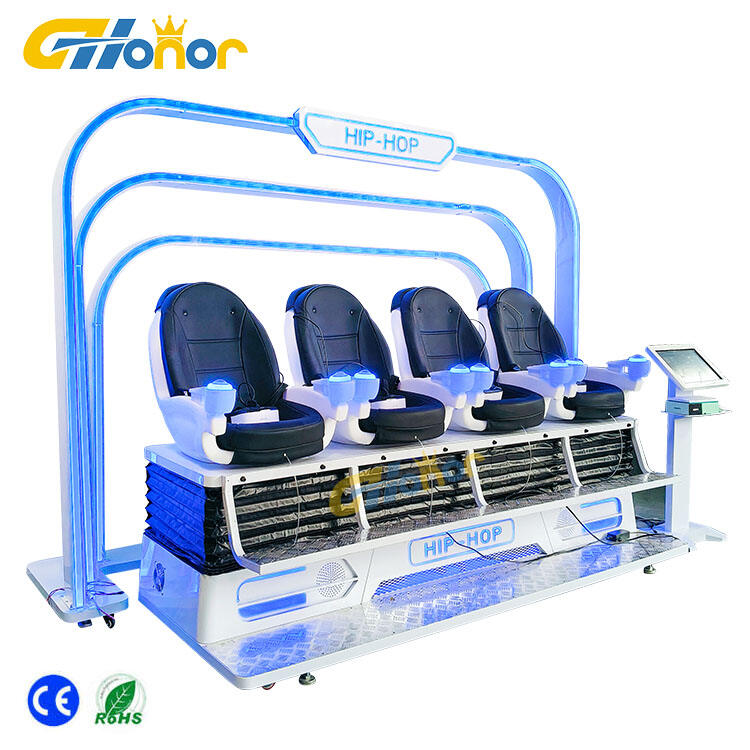
A high-quality VR device is a sophisticated piece of technology designed to deliver an immersive, seamless virtual reality experience through superior hardware, precise tracking, high-resolution visuals, and comfortable design, ensuring that users can engage with virtual environments without distraction or discomfort. These devices are used in various settings, including entertainment, education, training, and healthcare, and are distinguished by their attention to detail in both technical performance and user experience. At the core of a high-quality VR device is its display technology, typically featuring high-resolution screens (often 4K or higher per eye) with a high refresh rate (90Hz or more) to minimize motion blur and latency—the time between a user’s movement and the display updating. Low latency is critical to preventing motion sickness, a common issue in lower-quality VR, and ensuring that the virtual environment feels responsive and natural. The field of view (FOV) is also important, with wider FOV (100 degrees or more) reducing the “screen door effect” (the visible gap between pixels) and creating a more immersive view. Tracking capabilities are another key feature, with advanced sensors (such as inside-out tracking using cameras or outside-in tracking with external sensors) that accurately detect head movements, hand gestures, and even full-body motion. This precision allows for intuitive interaction with virtual objects, whether picking up a virtual tool, shaking a hand, or moving through space, making the experience feel more realistic. Comfort is prioritized in high-quality VR devices, with lightweight materials, adjustable head straps, and ergonomic designs that distribute weight evenly, allowing for extended use without strain. The fit is customizable, with options for different head sizes and facial structures, and often includes removable, washable padding for hygiene, especially in shared or commercial settings. Audio is integrated seamlessly, with built-in spatial audio speakers that deliver 3D sound, making virtual sounds appear to come from specific directions—enhancing immersion by matching what the user sees with what they hear. Battery life, for standalone devices, is long-lasting, supporting several hours of use, while wired devices offer consistent performance without interruptions. Durability is also a factor, with robust construction that can withstand regular use, whether in a home, arcade, or professional setting. Software optimization ensures compatibility with a wide range of VR content, from games and simulations to educational programs, with updates that improve performance over time. A high-quality VR device doesn’t just display virtual worlds—it transports users to them, making every interaction feel natural and every environment feel believable.
 EN
EN