 EN
EN
Strategic Master Planning and Layout Design
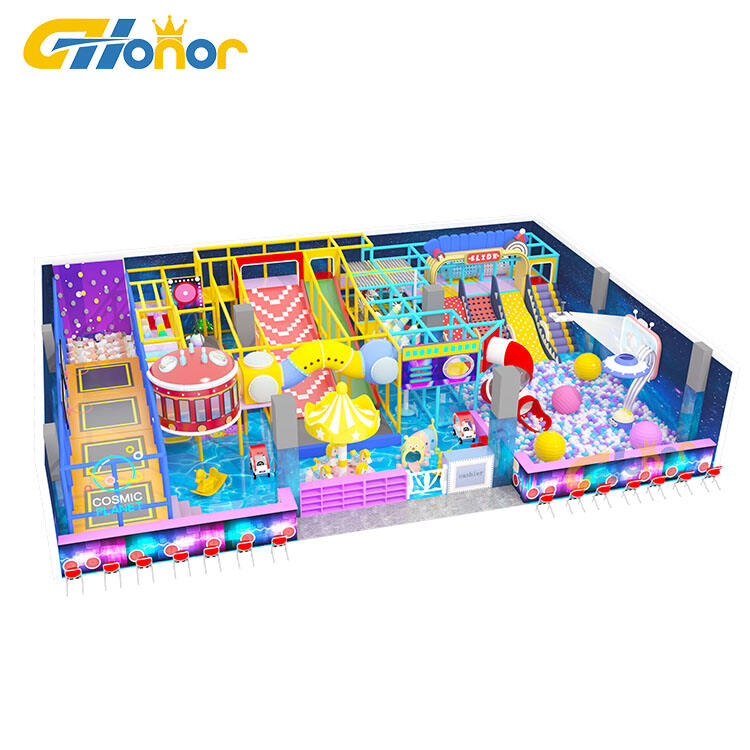
Effective strategic master planning forms the foundation of any successful indoor amusement park, balancing operational efficiency with guest experience. The layout must accommodate high-capacity attractions while ensuring smooth visitor flow and minimizing congestion points.
Site Planning and Functional Zoning for Optimal Space Utilization
Systematic space allocation separates high-traffic thrill rides from quieter family zones, creating intuitive navigation paths. Research shows parks implementing structured zoning frameworks achieve 30% higher guest satisfaction scores by reducing cross-traffic conflicts. This approach maximizes revenue per square foot while maintaining comfortable visitor densities.
Story-Driven Theme Park Layout to Enhance Guest Immersion
Narrative-driven design transforms random attractions into cohesive experiential journeys. Themed pathways guide guests through sequenced story arcs, with visual cues and architectural elements reinforcing the overarching narrative. This intentional sequencing increases dwell time by 40% compared to non-themed layouts according to industry studies.
Traffic Flow, Circulation Paths, and Congestion Prevention
Wide main thoroughfares (minimum 12 feet) branch into appropriately sized secondary paths, creating natural circulation patterns that prevent bottleneck formation. Strategic placement of food courts and rest areas serves as natural flow regulators, while clear sightlines to major attractions reduce directional confusion and crowding.
Spacing Between Attractions for Safety, Comfort, and Accessibility
A minimum 8-foot clearance between ride platforms and queue lines ensures safe evacuation routes and comfortable movement. This spacing accommodates wheelchair access standards while providing adequate room for emergency response equipment. Proper attraction separation also reduces noise pollution between zones, enhancing overall guest comfort throughout the facility.
Immersive Environmental Design and Thematic Storytelling
Creating cohesive themes through narrative-based design
Indoor amusement parks that really stand out tend to build their whole experience around a story. When done right, every part of the park tells part of that story, from how buildings look to the way lights are set up throughout the space. Guests don't just visit these places; they step into another world entirely. Studies show something interesting too: parks with strong narrative themes see about 40 percent more engagement from visitors and keep people hanging around for roughly 25 percent longer compared to regular parks without such focus. What works best? Environmental storytelling where the story unfolds through what people see, touch, and interact with instead of relying on someone telling them what's happening. Think about those hidden details in walls or special props scattered around that make guests piece together the tale themselves. This approach creates much stronger emotional bonds between visitors and the park because they feel like they're discovering things on their own rather than being told what to think.
Immersive projection rooms and dynamic wall & floor game integration
Indoor theme parks today are getting pretty creative with projection tech, turning plain old walls and floors into living, breathing game zones. The magic happens through projection mapping which basically turns any flat surface into a playground. Motion sensors pick up when people move around, then the system responds instantly with visuals and sounds that match their actions. Visitors get this cool feeling like they're actually changing the environment around them, which keeps everyone engaged for longer periods. Parks that have adopted these digital games see about a third more return visits because updating the content is just a software tweak rather than tearing everything down and rebuilding. Some of the fancier setups take things even further by adding physical sensations to the mix. Floors might vibrate underfoot or change temperature slightly, creating that full body experience that really pulls guests into the action.
LED-powered interactive environments for sensory engagement
LED tech creates spaces that react to what guests do as they move around. These programmable lights installed throughout floors, walls even ceilings can shift colors, brightness levels, and patterns when someone walks by or according to pre-set events. When venues combine these lighting effects with background music and sometimes even pleasant smells floating through the air, people report feeling much happier overall compared to places that just rely on visuals alone. Some studies suggest satisfaction rates jump around 60 percent in these multi-sense experiences. The whole package really sticks in memory too, so visitors remember their time there long after they've left the building.
Technology Integration and Interactive Guest Experiences
Interactive bumper cars and real-time gamified ride systems
Old school rides get a tech upgrade these days, especially those classic bumper cars now equipped with RFID tags and flashy LED scoreboards that count every crash and give instant points. The added game aspects make what was once just fun on the ride something people actually compete over, collecting points throughout their visit, earning badges for special accomplishments, and racing against friends who happened to be nearby. Theme parks report around 40 percent increase in how long visitors stick around at each attraction when these systems are installed, which means more foot traffic and better overall guest satisfaction across the board.
Real-time data feedback and performance tracking via LED systems
LED network installations throughout facilities show live stats, top scores, and individual accomplishments, which keeps people coming back for more as they see their progress over time. The systems gather important information about how often rides get used and what guests actually want, so park managers can tweak attractions and make things run better. Parks that track this kind of data regularly find their customer happiness ratings jump around 35 percent, showing just how much difference those visible numbers make in keeping visitors satisfied.
Balancing screen-based interactivity with physical play
Great parks find just the right mix between tech stuff and actual moving around. They put interactive screens and other digital bits in places where they actually help kids run around and meet others face to face instead of replacing all the fun activities. Some playgrounds have motion sensors built right into their climbing walls while others project colorful animations onto swings and slides. These additions don't take away from the physical aspect but rather make regular playtime even better for everyone involved. The result? Parks become places where people of all ages can enjoy themselves while still getting some exercise and experiencing something new at the same time.
Safety, Accessibility, and International Compliance Standards
Ride layout safety and structural compliance in indoor environments
Planning an indoor amusement park involves some pretty specific considerations when it comes to both structure and safety for guests. Since these are enclosed environments, they need extra strong support systems, materials that can resist fires, plus proper ventilation to handle all the heat generated and manage any emissions from equipment. The National Safety Council actually reports something interesting: making sure there's enough space between rides, pathways, and exit points cuts down on collisions by around 60%. That makes a real difference in crowded areas. Beyond basic layout concerns, operators must also think about how buildings will hold up during earthquakes, what minimum heights ceilings should be, and all those complicated weight calculations. These factors become even more important when designing attractions with multiple levels inside limited space.
Universal accessibility and inclusive design for diverse guests
The best indoor parks really think about how everyone can enjoy them no matter what their abilities are. We see things like ramps and lifts that make it easy for wheelchairs to get around, special paths with textures so blind folks can navigate by touch, and areas where people who get overwhelmed by loud noises or bright lights can take a break. The waiting lines aren't just wide enough for walkers either they're designed so nobody feels stuck behind someone else. Staff members know how to help out too, adjusting control panels to different heights when needed. Parks that put serious effort into making everything accessible tend to have happier visitors overall. One study found these places actually see about a quarter boost in customer satisfaction ratings, plus they attract a wider range of guests which makes good business sense as well as being the right thing to do.
Meeting global safety benchmarks for indoor amusement parks
Organizations such as ASTM International and IAAPA set important standards for how amusement rides get made, kept in good shape, handled during emergencies, and who gets certified to operate them. When parks follow these rules, industry data shows around 89 percent fewer accidents happen, plus getting approval from different regulatory bodies becomes much smoother. But beyond just numbers, sticking to these standards actually matters because it helps build trust with visitors. People want to know their families are safe when they ride those roller coasters or go on water slides. The visible effort put into following safety protocols makes guests feel better about spending their money at these attractions.
Ride Selection and Audience-Centric Design for Maximum ROI
Matching rides to target demographics: Families, teens, thrill-seekers
Getting ride selection right means matching what's offered to who actually comes through the gates if amusement parks want happy guests and good profits. Families love attractions that everyone can enjoy together, think those spinning rides for little ones or the interactive dark rides where kids get to press buttons and make things happen. Teenagers tend to gravitate toward rides that aren't too scary but still give them something exciting, like bumper cars or those spinning coasters that go around and around. For folks who live for heart-pounding thrills, nothing beats the big drops from tower rides or virtual reality experiences that transport riders into different worlds entirely. When theme parks offer a mix of all these types of attractions, they cover more bases and attract bigger crowds. The numbers back this up too - parks that carefully select rides based on their customer base see visitors spending about 23 percent more money per person compared to places that just throw in whatever looks cool at the time.
Using market research to guide audience targeting and investment
Making choices based on real data is pretty much essential if businesses want to survive over time. When companies dig into market research stuff like customer surveys, group discussions, and looking at tourism stats across different regions, they start seeing what people actually want. Take demographics, what visitors like, how much they spend... all these details matter. Look at neighborhoods packed with families versus city centers buzzing with young professionals. The former often needs lots of kid-friendly activities where parents can relax too, whereas cities tend to crave high-energy experiences that get hearts racing. Businesses that rely on solid evidence instead of gut feelings end up wasting less money and putting their cash where customers really are, not just where management thinks they should be.
FAQ Section
What is the significance of strategic master planning in indoor amusement parks?
Strategic master planning is crucial for balancing operational efficiency with guest experience in indoor amusement parks. It ensures that the layout accommodates high-capacity attractions while optimizing visitor flow and minimizing congestion points.
How does narrative-driven design impact guest immersion in theme parks?
Narrative-driven designs transform attractions into cohesive experiential journeys, enhancing guest immersion. By guiding guests through themed pathways and story arcs, guests experience an increased time spent in the park and stronger emotional connections.
Why is spacing between attractions important?
Proper spacing between attractions ensures safety and comfort by providing clear evacuation routes, accommodating wheelchair access standards, and reducing noise pollution between zones, thereby enhancing overall guest comfort.
How do technology integration and interactive features enhance visitor experiences?
Technology integration such as interactive bumper cars and LED scoreboards add game-like elements to rides, increasing visitor engagement. Real-time data tracking and feedback systems also enhance guest involvement and satisfaction.
What measures are taken to ensure safety and accessibility in indoor parks?
Indoor parks ensure safety and accessibility by following specific standards like those of ASTM International and IAAPA, including strong support systems, proper ventilation, and inclusive designs like ramps and sensory-friendly areas.
Table of Contents
- Strategic Master Planning and Layout Design
- Immersive Environmental Design and Thematic Storytelling
- Technology Integration and Interactive Guest Experiences
- Safety, Accessibility, and International Compliance Standards
- Ride Selection and Audience-Centric Design for Maximum ROI
-
FAQ Section
- What is the significance of strategic master planning in indoor amusement parks?
- How does narrative-driven design impact guest immersion in theme parks?
- Why is spacing between attractions important?
- How do technology integration and interactive features enhance visitor experiences?
- What measures are taken to ensure safety and accessibility in indoor parks?