 EN
EN

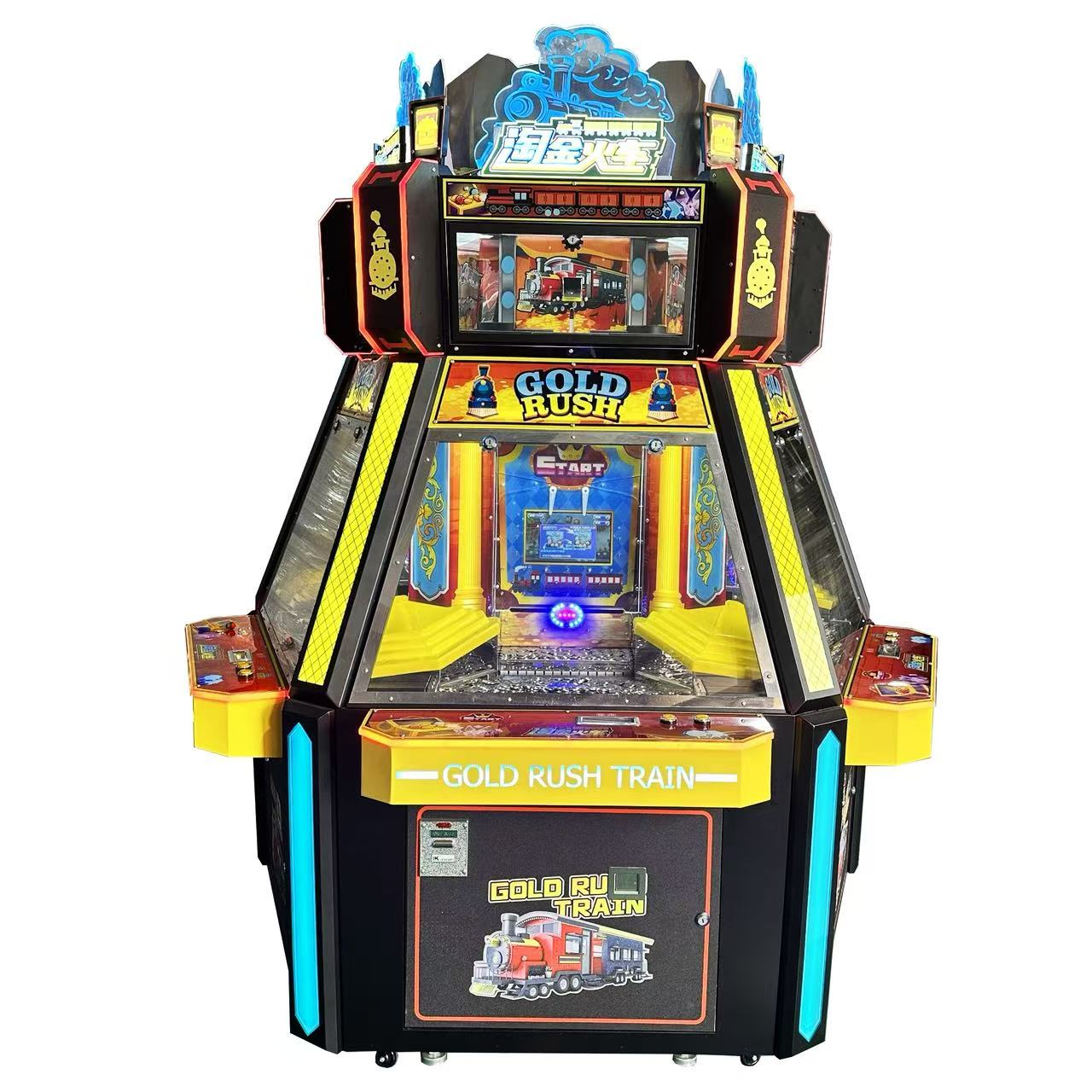
Redemption Arcade Machines: Highest Revenue Per Square Foot
Why redemption arcade machines generate 68% of total arcade income (IAAPA 2023)
According to the IAAPA's 2023 report, redemption arcades bring in about two thirds of all arcade money, which makes them by far the most profitable per square foot. Why do they rule the roost? Well, there are basically three reasons working together here. First off, people tend to play these games over and over again. Second, they appeal to families across different age groups. And third, they cost way less to run compared to those fancy VR setups or complicated simulators. Most folks drop between 75 cents and $2.50 each time they play, going after those physical prizes like tickets or plush toys. This creates something pretty addictive for players that regular video games just can't compete with. Operators see around $300 to $500 coming in every week from each machine, and that's because the ticket system keeps people hanging around longer than planned. The whole setup works kind of like a slot machine, keeping customers coming back again and again. After all, businesses make most of their money from returning guests anyway, somewhere between 70% and 80% according to industry stats.
Ticket economics: $0.008–$0.012 cost vs. $0.035–$0.055 retail prize value
The profitability of redemption machines rests on a powerful margin arbitrage: operators pay just $0.008–$0.012 to issue each ticket, while players perceive its value at $0.035–$0.055—based on the retail price of prizes they can redeem. This yields a gross margin buffer of 65–77% before labor, maintenance, or prize fulfillment costs.
| Cost Component | Operator Expense | Player Perception |
|---|---|---|
| Ticket Issuance | $0.008–$0.012 | — |
| Prize Value | $0.008–$0.012 (cost basis) | $0.035–$0.055 (retail equivalent) |
| Margin Potential | 65%–77% | — |
This structure supports $80–$200 in daily revenue per unit and enables typical ROI within 6–12 months. Operators further strengthen margins by sourcing prizes in bulk—reducing prize-related expenses to just 18–25% of redemption revenue, as confirmed in multiple arcade profitability studies.
The prize inflation paradox: balancing perceived value with gross margin erosion
Raising prize quality to sustain engagement risks eroding margins—a delicate calibration known as the “prize inflation paradox.” When premium items like trophy plushies or electronics shift from a $0.055 to a $0.070 retail-equivalent value, breakeven play counts rise by 15–20%, directly pressuring profitability. The most effective response is data-informed prize stratification:
- Entry-tier prizes (40% of inventory): Low-cost items—candy, keychains, small toys—anchored at $0.035 perceived value
- Premium rewards (20% of inventory): Aspirational items ($0.080+ retail equivalent) requiring 5–20% more tickets, driving longer sessions without proportionally increasing cost
- Dynamic difficulty adjustment: Algorithmically increasing win probability during off-peak hours sustains play volume without sacrificing margin
This tiered model preserves 60–75% gross margins while cultivating the perception of abundant high-value rewards. Operators who implement it consistently see 25% longer player sessions and 18% higher per-customer revenue, per industry performance benchmarks.
Video and Simulation Arcade Machines: Balancing ROI, Demand, and Payback Period
Racing and shooting cabinets: $85–$140/week revenue vs. lower-performing sports/action units
Arcade machines focused on racing and shooting games tend to bring in way more money than standard sports or action titles, often making between $85 and $140 each week with some hitting up to 65% better performance. The reason? People just keep coming back more often. Racing simulators get around 5.2 plays every hour compared to about 3.1 for those old school basketball or boxing cabinets. Why does this happen? Well, these modern machines have features that really hook players. Multiplayer options let folks play together, which adds about 30 minutes extra to each session. Then there's the cool haptic feedback system that makes people drop coins more frequently, roughly 22% more than regular machines. And don't forget the smart difficulty settings that adjust as players improve, so everyone from beginners to pros stays engaged without getting bored too quickly.
VR arcade machines: longer payback (14–18 months) but strong pricing power (+37% elasticity)
VR arcade machines require longer payback periods—14–18 months—due to higher hardware, software licensing, and space-prep costs. Yet they deliver outsized returns through pricing power: operators report 37% greater price elasticity per session, enabling premium pricing without demand loss. Key revenue levers include:
- $18–$23/hour revenue potential from immersive, time-limited experiences
- 55% higher per-customer spending in VR zones versus adjacent areas
- Modular content updates that reduce obsolescence risk and extend hardware lifespan
Operational Insight: Blending high-turnover racing units with VR clusters diversifies revenue streams and improves overall space utilization by 28%, according to Amusement Metrics’ 2023 venue efficiency study.
Classic and Mechanical Arcade Machines: Niche Appeal vs. Operational Efficiency
Old school mechanical arcade machines have carved out their own special place in the market because people actually like touching them instead of just looking at flashing lights. Think pinball machines, those electromechanical games from decades ago, and those classic cabinet styles we all remember from our childhoods. These things really speak to folks who love vintage stuff, serious collectors, and tourists looking for that old time fun. Sure, they don't bring in as many customers as the latest LED-lit video games, but there's something about their simple mechanics that makes them cheaper to maintain around 15 to 20 percent less expensive than newer models. Plus these machines can last anywhere between ten to fifteen years before needing major work. Where these machines make money depends a lot on where they're located. Places right next to popular tourist spots tend to get about forty percent more plays compared to regular bars down the street since visitors want that authentic experience. Putting these machines in the right spot matters a lot too. When paired with special events or when showing off restored classics, profits go up nicely. But operators need to be ready for those occasional big repair bills when parts wear out or those fancy backglass displays crack. What keeps these machines valuable isn't necessarily how much money each one brings in day to day. Instead it's about creating atmosphere. These machines help define what a venue stands for, set it apart from competitors, and offer a physical experience that no flat screen TV can match.
FAQ
What are redemption arcade machines?
Redemption arcade machines are games where players can win tickets that can be exchanged for prizes. They are very popular because they are relatively easy to play and appeal to all age groups. They generate significant revenue for operators.
Why do redemption machines offer a profitable margin?
The margin comes from the difference between the low cost of issuing tickets and the perceived value of the prizes players can redeem. This arbitrage results in high profit potential for operators.
How do operators manage the "prize inflation paradox"?
Operators use data-informed prize stratification, offering a mix of entry-tier and premium rewards to balance engagement and maintain margins.
What challenges do VR arcade machines present?
VR arcade machines require higher initial investment for hardware and software, resulting in longer payback periods. However, they allow for premium pricing due to their immersive experience.
Why are classic and mechanical arcade machines still popular?
These machines offer a tactile experience and have nostalgic appeal, especially among vintage enthusiasts and tourists. Their maintenance costs are lower, and they have a longer lifespan compared to modern units.