 EN
EN

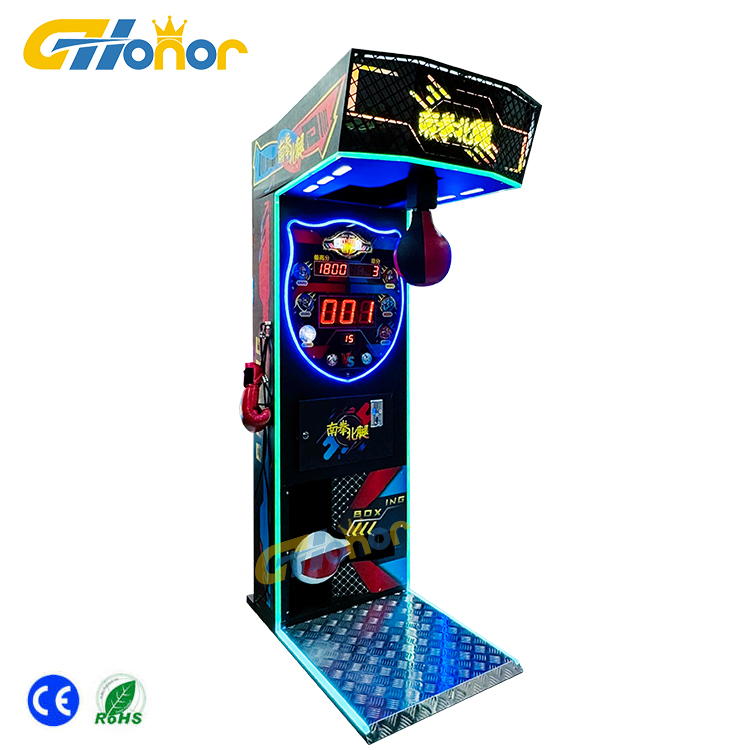
Owning a mixed fleet of coin operated games means every hour of downtime is lost revenue, so a structured maintenance program protects profit more than any single repair. Claw machines, racing cabinets, redemption units and kiddy rides share the same weak points: coin paths, bill readers, control boards and power. Operators who treat upkeep as a routine schedule rather than a reaction to failure see fewer breakdowns and longer machine life across the floor.
Start with a preventive maintenance program
Why coin jams and mechanism wear occur
A coin operated game machine relies on a precise coin mechanism to validate currency and release credit. In a busy arcade, coin operated games suffer when dust, sticky residue and worn connectors accumulate inside the chute, narrowing the path until coins tilt and jam. The validation switch depends on clean contact surfaces; once oxidation builds, the solenoid fails to trip and the player loses credit. Preventive maintenance removes residue before tolerance shrinks, which is why a scheduled wipe-down cuts jam calls and lowers game machine repair needs for the whole site.
How voltage fluctuation kills PCBs and relays
Most amusement game machine faults trace back to unstable power supply and voltage swings. A brownout or surge pushes current beyond the PCB rating, frying the relay and logic chips. Coin operated games across a mixed fleet share this risk when cheap site wiring shares load with lighting and HVAC, spiking the line on every compressor start. Installing a regulated surge protector and isolated power isolates the cabinet, reducing game machine repair frequency and extending board life for every amusement game machine on the floor. Regular arcade maintenance of the power side prevents most sudden game machine repair visits and protects monthly revenue.
A repeated micro-surge stresses electrolytic capacitors and zener diodes, drifting rail voltage until the logic resets mid-game. A cheap inline meter logging peak line voltage each morning exposes the trend before a board dies, and routine arcade maintenance removes the daily compressor spike.
Daily and weekly cleaning routines
Coin mechanism cleaning steps
Remove the mechanism weekly and blow out dust with dry compressed air. Use a lint-free cloth and isopropyl alcohol on the rail and optical sensor window, then check the reject lever for free movement. Coin operated games need a clean coin path so coins seat correctly and the credit register fires once per insert. This small arcade maintenance habit prevents the most common field complaint and keeps throughput steady during peak hours without extra game machine repair cost.
Bill acceptor optical path and sensor care
The bill acceptor reads notes through an optical path; a single fingerprint or film of grease scatters light and causes misreads. Wipe the lens with optical tissue weekly and verify the transport rollers grip without slipping. When the optical sensor signal degrades, the unit rejects valid notes and players walk away. Regular lens care is the most cost-effective amusement game machine reliability upgrade an operator can make, and simple arcade maintenance beats a late-night callout from a technician. Document each amusement game machine check so the next arcade maintenance visit stays fast and predictable.
Monthly deep service and inspection
PCB, connector and relay inspection
Once a month, open the cabinet and inspect the PCB for burnt traces, the connector for looseness and the relay for heat discoloration. Reseat every plug and apply contact cleaner to edge connectors. Loose connectors cause intermittent resets that mimic software faults, so tightening them removes phantom errors. Coin operated games benefit from this disciplined arcade maintenance step, which raises MTBF and lowers the game machine repair backlog across the whole amusement game machine collection.
Power stability and environmental control
Humidity and dust are silent killers. High humidity corrodes contacts and invites short circuits, while airborne dust insulates heat sinks and drives PCB temperature up. Keep the room between 40 and 60 percent relative humidity, use filtered intake and dehumidify in coastal sites. Stable voltage plus clean air is the foundation of any credible amusement game machine upkeep plan, and steady arcade maintenance of the environment protects the board from slow decay. Good arcade maintenance here reduces game machine repair across the whole amusement game machine range and keeps floors open.
A simple log builds the habit: record cabinet temperature and rail voltage weekly, torque bolts monthly, and replace the surge protector every two years. This cuts game machine repair spend and steady arcade maintenance extends amusement game machine life past the typical wear zone.
Operator scenario and the maintenance schedule
A mixed-fleet FEC case study
One overseas family entertainment center ran claw, racing and redemption coin operated games with no plan; one weekend saw three bill readers fail. The operator introduced a tagged checklist, cleaned mechanisms every week and added line surge protector units. Within two months, field calls dropped because failures were caught during inspection, not after a player complaint. The effect was steadier revenue and happier floor staff.
Daily, weekly and monthly schedule that cuts MTBF
A practical rhythm proves effective: daily visual check of coin return and error lights; weekly mechanism clean, bill lens wipe and connector reseat; monthly PCB and relay inspection plus environmental control log. Align tasks to machine type and traffic. This cadence, built on preventive maintenance discipline and referencing CE certification, EN-1171 and ASTM F1918-21 expectations from an SGS-audited supplier, keeps coin operated games running longer and protects a mixed fleet from avoidable failure.
Frequently Asked Questions
Question
What are the most common causes of coin operated game failure?
Answer: Dust in the coin mechanism, dirty bill acceptor lenses and unstable voltage cause most failures. Loose connectors and heat from poor ventilation also trigger resets. A weekly clean and monthly PCB inspection catch these early. Referencing CE certification and EN-1171 during procurement helps select durable amusement game machine units built for heavy use.
Question
Why does voltage fluctuation damage the control board?
Answer: A surge pushes current past the PCB rating and burns the relay or logic chip. Shared site wiring with HVAC spikes the line on every compressor start. Installing a regulated surge protector and isolated power supply stabilizes voltage and protects the board. Stable power is reliable insurance against repeated game machine repair across a mixed coin operated games fleet.
Question
How often should the coin mechanism be cleaned?
Answer: A weekly clean suits high-traffic sites, while monthly is enough for quiet locations. Blow out dust, wipe the rail with isopropyl alcohol and check the reject lever. Clean optical sensor windows so coins seat and register once. This arcade maintenance habit prevents jams and keeps redemption and claw cabinets earning during busy periods without interruption.
Question
Can humidity really shorten machine life?
Answer: Yes. High humidity corrodes connectors and invites short circuits, while dust insulates heat sinks and raises PCB temperature. Keep relative humidity near 40 to 60 percent and use filtered air intake. Coastal sites need dehumidifiers. Controlled environment plus scheduled inspection extends MTBF and reduces the need for urgent amusement game machine service calls.
Question
Which standards confirm a reliable supplier?
Answer: Look for CE certification, EN-1171 and ASTM F1918-21 compliance plus an SGS-audited factory and ISO 9001 process. These signals show disciplined production and safer design. Verifying them before purchase avoids weak cabinets. Reliable amusement game machine models from such suppliers pair well with a preventive maintenance program and lower long-term operating cost.