 EN
EN

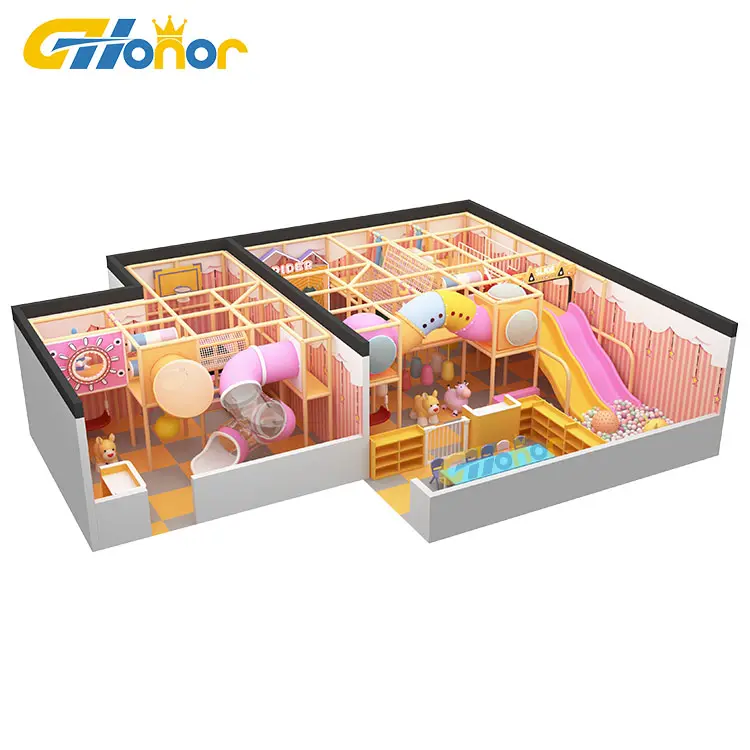
Why Soft Facilities in Kids Indoor Playgrounds Demand Specialized Daily Disinfection
Pathogen Retention: How Foam, Fabric, and Padding Trap Germs Longer Than Hard Surfaces
In kids’ indoor playgrounds, soft surfaces—foam pits, fabric tunnels, and padded climbing frames—act as hidden reservoirs for microbes. Their porous structure absorbs moisture, skin cells, saliva, and respiratory droplets, creating a nutrient-rich environment where pathogens persist far longer than on non-porous surfaces. Unlike stainless steel or plastic, which allow surface-level disinfection, germs embed deep into foam and textile fibers, evading routine wiping or vacuuming. Staphylococcus aureus, for example, survives up to 90 days on polyester fabric (Neely & Maley, 2000), while norovirus remains infectious on soft materials significantly longer than on hard ones. Standard cleaning fails to reach these inner layers, and without targeted intervention, soft play areas become persistent sources of cross-contamination—especially as children crawl, press faces against padding, and share mouthed toys.
Regulatory & Liability Context: CDC, CDA, and State Licensing Requirements for Kids Indoor Playground Hygiene
Rigorous daily disinfection isn’t just best practice—it’s mandated. The Centers for Disease Control and Prevention (CDC) explicitly recommends frequent cleaning and sanitizing of soft surfaces in childcare environments to curb disease transmission. The Child Development Associate (CDA) credential further requires caregivers to uphold hygienic standards as part of professional competency, making staff training a compliance necessity. State licensing agencies commonly enforce specific requirements: documented cleaning logs, verified disinfectant dwell times, and scheduled deep cleanings for soft equipment. Noncompliance can trigger inspection failures, fines, or facility closure. Legally, an outbreak traced to uncleaned foam or fabric may expose operators to negligence claims. Following CDC, CDA, and state guidelines demonstrates due diligence—protecting children and reinforcing parental trust through verifiable accountability.
The 3-Step Daily Disinfection Protocol for Kids Indoor Playground Soft Surfaces
Step 1: Dry Removal — Vacuuming, Brushing, and Debris Control Before Chemical Contact
Effective disinfection starts with physical removal. Vacuum foam pits, fabric tunnels, and padded mats using a HEPA-filtered unit to extract dust, hair, food particles, and skin flakes—organic matter that shields microbes from chemical action. Use soft-bristle brushes on textured vinyl or mesh to dislodge debris from crevices. For netting or high-hanging elements, a low-speed leaf blower can safely agitate trapped particles without fiber damage. Pre-cleaning alone reduces bacterial load by up to 80% (CDC, 2022). This step ensures disinfectants make direct contact with the surface—not a layer of grime—maximizing microbial kill rates and reducing allergen burden.
Step 2: Targeted Sanitization — EPA-Approved, Pediatric-Safe Disinfectants with NSF/ANSI 50 Certification
Apply an EPA-registered disinfectant proven effective against norovirus, influenza A, and other common playground pathogens. Prioritize formulas certified to NSF/ANSI 50—the gold standard for safety on surfaces children may mouth, lick, or touch repeatedly. Dilute precisely per manufacturer instructions: over-concentration risks skin irritation and residue buildup; under-dilution compromises efficacy. Spray or wipe evenly across all soft surfaces—foam blocks, mats, ropes, and netting—ensuring full saturation without pooling. Adhere strictly to label-specified dwell times (typically 5–10 minutes for porous materials), using timers or checklists to prevent premature wiping. A microfiber cloth helps distribute solution uniformly and avoids oversaturation. For fixed foam or non-rinse applications, select a no-rinse, pediatric-safe formulation. When applied correctly, this step achieves ≥99.9% pathogen reduction.
Step 3: Verification — ATP Testing and Visual Inspection to Confirm Efficacy
Verification transforms routine cleaning into accountable hygiene. Use adenosine triphosphate (ATP) testing to objectively measure residual organic contamination: swab a 10×10 cm area on high-touch zones (e.g., handrails, padded steps), then insert into a luminometer. A reading below 100 relative light units (RLU) confirms effective decontamination. Pair this with visual and sensory checks—inspect for stains, lingering moisture, tears, or musty odors indicating mold or biofilm. If ATP levels exceed thresholds or visual cues suggest compromise, repeat sanitization. Log all results daily to identify trends, support staff training, and demonstrate regulatory compliance during inspections.
Zone-Based Disinfection Strategy for High-Touch Areas in Kids Indoor Playground Environments
A successful high-touch surface program begins with strategic prioritization. Not all soft surfaces carry equal risk—and directing resources to the highest-exposure zones improves efficacy while minimizing operational disruption.
Priority Zones: Entryways, Climbing Nets, Cushioned Steps, and Interactive Soft Toys
Entryways serve as pathogen gateways: door handles, check-in counters, and shoe-wipe mats may be touched over 1,000 times per day in high-volume centers (2022 study on high-traffic facilities). Climbing nets and cushioned steps sustain continuous compression—hands and feet force microbes deeper into foam and fabric fibers. Interactive soft toys—including stuffed animals and tactile puzzle mats—are routinely mouthed, sneezed on, and shared across multiple children within minutes, making them among the most efficient vectors for cross-contamination. Focusing intensified disinfection on these zones delivers the greatest public health return.
Contact-Time Optimization: Matching Dwell Times to Surface Porosity and Traffic Frequency
Dwell time—the duration a disinfectant must remain wet to inactivate pathogens—must align with both material porosity and real-time usage intensity. Porous soft surfaces require longer contact to penetrate deeply embedded microbes, while high-traffic zones demand more frequent reapplication—even if dwell time per application remains consistent. The table below provides evidence-informed guidance:
| Surface Type | Typical Porosity | Recommended Dwell-Time Range | Application Frequency Guidance |
|---|---|---|---|
| Foam wedges & mats | High | 5–10 minutes | After each session or when visibly soiled; high-traffic zones may require hourly application. |
| Fabric climbing nets | Medium-High | 8–10 minutes | Every 2–3 hours during peak usage; ensure complete saturation of fibers. |
| Interactive soft toys | High | 10 minutes | Rotate cleaned toys every 30 minutes or after each use if mouthed. |
| Cushioned steps | Medium | 5 minutes | Before and after peak play sessions; spot-treat throughout the day. |
Staff should calibrate intervals using traffic patterns—not just schedules—and verify dwell adherence with timers or digital checklists. Consistent execution ensures EPA-registered, pediatric-safe disinfectants deliver their labeled performance.
FAQ
Why do soft surfaces in kids' playgrounds require specialized disinfection?
Soft surfaces like foam pits, fabric tunnels, and padded areas have porous structures that trap microbes, making them harder to disinfect than hard surfaces. These surfaces can harbor pathogens for extended periods, posing a cross-contamination risk if not properly sanitized.
What regulations outline hygiene standards for kids' playgrounds?
The CDC, CDA, and state licensing agencies mandate specific hygiene practices, including frequent disinfection, documented cleaning logs, and verified dwell times for disinfectants. Noncompliance can result in fines or facility closure.
What is the 3-step disinfection protocol?
The protocol includes dry removal of debris, targeted sanitization with pediatric-safe disinfectants, and verification using ATP testing and visual inspections to ensure thorough cleaning.
Which areas in playgrounds should be prioritized for disinfection?
High-touch areas such as entryways, climbing nets, cushioned steps, and shared soft toys should be prioritized as they have the highest exposure risk and serve as common points for cross-contamination.
How should disinfectants be applied for optimal effectiveness?
Disinfectants should be applied evenly and allowed to remain wet on soft surfaces for the recommended dwell time to ensure thorough inactivation of pathogens. Porous materials often require longer dwell times.
Table of Contents
- Why Soft Facilities in Kids Indoor Playgrounds Demand Specialized Daily Disinfection
- The 3-Step Daily Disinfection Protocol for Kids Indoor Playground Soft Surfaces
- Zone-Based Disinfection Strategy for High-Touch Areas in Kids Indoor Playground Environments
-
FAQ
- Why do soft surfaces in kids' playgrounds require specialized disinfection?
- What regulations outline hygiene standards for kids' playgrounds?
- What is the 3-step disinfection protocol?
- Which areas in playgrounds should be prioritized for disinfection?
- How should disinfectants be applied for optimal effectiveness?