 EN
EN

Claw Machine Types Optimized for Mall Environments
Vertical vs. horizontal configurations: maximizing visibility and space efficiency in corridors and food courts
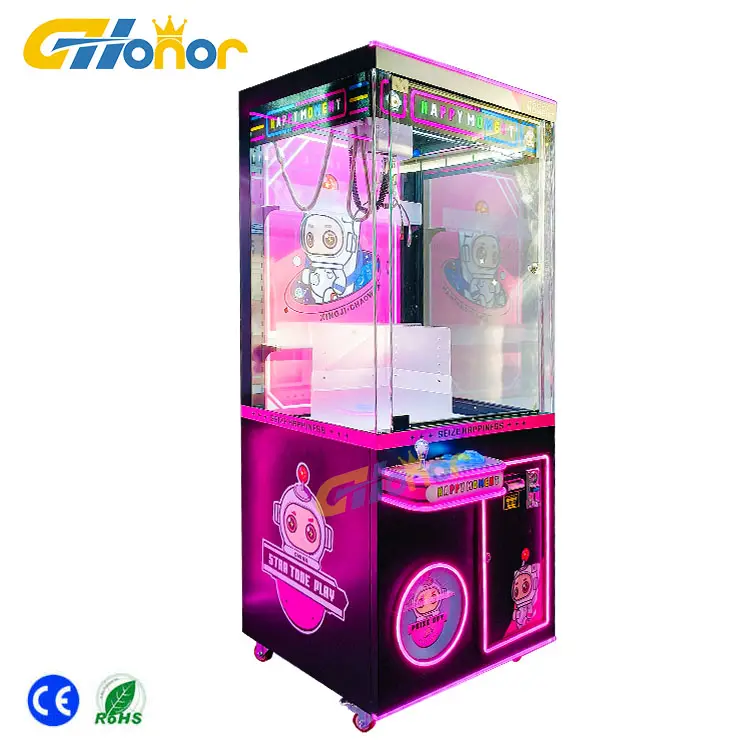
The vertical claw machines, usually less than 2 meters tall, save valuable floor space in hallways while still letting people see the prizes clearly. That makes them great for busy areas where folks are constantly walking by. On the other hand, horizontal versions have bigger playing areas which gets groups involved together, particularly useful near food courts or outside shopping centers. The trick is placing these machines wisely: put the vertical ones where space is tight between walls or columns, and go with horizontal setups where people tend to gather and chat. These machines take up surprisingly little room (some models fit into spaces around 80x70x170 cm), so they can be positioned almost anywhere without getting in the way of customers moving around. And this flexibility means businesses can maximize their earning power simply by putting the machines in spots where they'll actually get played.
Premium cabinet designs with LED lighting, branded wraps, and AR-enhanced interfaces to boost engagement
Today's claw machines in shopping malls come equipped with bright LED displays and lights that flash when someone walks by, grabbing attention even from over 15 meters away. The cabinets can be wrapped in custom vinyl designs too, turning them into eye-catching brand spots. Stores often change these wraps seasonally or feature sponsors, which keeps people hanging around about 40% longer than usual. Some machines now have AR screens that show virtual prizes alongside real ones, making the whole experience more engaging for shoppers. According to data from venues in 2023, this tech actually turns around 22% more window shoppers into actual players. All these fancy features help stores stand out in crowded environments and make their machines seem worth trying, not just another gimmick on the floor.
Critical Buying Criteria for High-Traffic Mall Placement
Durability: IP-Rated Enclosures and Vandal-Resistant Components for Shared Retail Spaces
Durability matters a lot when setting up claw machines in busy places such as shopping centers. Look for models with IP54 protection against dust and water splatter since these tend to accumulate around food areas where spills happen frequently. Machines built with tough materials make all the difference too. Polycarbonate glass and strengthened coin slots help stop people from messing with them. Retail maintenance folks reported last year that this kind of reinforcement cuts down on machine downtime by roughly 27%. For operators running multiple units across different locations, keeping machines running smoothly through heavy foot traffic makes good business sense while maintaining customer satisfaction over time.
Attention-Grabbing Features: High-Luminance Displays and Motion-Triggered Animations
Want to get more players interested? Sensory driven designs really work wonders. The LED screens on these machines are super bright too, around 2000 nits or more, so they stand out even in brightly lit shopping centers. And there's this cool feature where animated graphics start playing as people walk by. According to some research from Amusement Analytics last year, machines equipped with all these bells and whistles tend to attract about 41 percent more attention when placed along store corridors. What makes them special is how lights and sounds come together to create something memorable for passersby. These interactive elements beat regular static displays hands down, plus nobody needs extra staff members hanging around or dedicating precious retail space just for maintenance.
Cashless Payment Integration: Contactless Wallets, QR Codes, and Loyalty Program Compatibility
Today's shoppers at malls want their experiences smooth and hassle free when it comes to making purchases. Retailers should focus on claw machines that work with modern payment methods like Apple or Google Pay through NFC technology, plus ones that accept QR codes and connect to existing loyalty programs. The numbers tell a story here too. Machines that don't require cash see about 63 percent more attempts compared to those stuck with just coins according to NAMA research from last year. And when multiple payment options are available together, people tend to spend around 22% more on average. Getting these machines to play nice with the overall rewards system across the entire shopping center helps keep customers coming back again and again. On the flip side, sticking with isolated payment systems can actually drive away regulars over time because they end up feeling excluded from broader incentives.
Claw Machine Configuration for Maximum Playability and Revenue
Win rate optimization (12–22%): data-backed settings for mall footfall-to-play conversion
Getting the win rate just right between 12% and 22% makes all the difference when it comes to keeping players coming back and still making money in mall locations. Industry numbers back this up pretty well too. If games are too easy people get bored fast, but if they're too hard nobody wants to play them at all. The good news is operators have quite a bit of control over things like how tight the claw grabs prizes and what weights count as valid catches through the main control panel on each machine. Some models even come equipped with motion sensors that tweak grabbing accuracy depending on whether someone's going after a small plush toy versus something bigger like a basketball. Machines set within this sweet spot actually turn about 18 percent more passersby into actual customers spending their quarters compared to older machines with fixed settings. Most experienced arcade managers run regular tests adjusting these difficulty levels based on who tends to visit different mall areas throughout the day, which helps keep those machines performing consistently well month after month.
Pricing flexibility: adjustable credit cost, multi-play bundles, and dynamic pricing tiers
Modern claw machines offer granular pricing controls to match mall visitor spending patterns. Operators can implement tiered strategies:
| Pricing Model | Revenue Impact (NAMA 2023) | Player Conversion Lift |
|---|---|---|
| Dynamic Peak Pricing | +14% vs. fixed rates | 9% increase during high traffic |
| 3-Play Bundles | 22% higher average spend | 31% more repeat plays |
| Loyalty Discounts | 17% retention boost | 27% enrollment rate |
Cashless systems enable real-time adjustments—raising credit costs during weekends or offering “happy hour” discounts during off-peak times. Bundled credits (e.g., 5 plays for $4 instead of $1/play) reduce perceived costs while increasing per-session revenue. This flexibility balances accessibility with profit maximization across diverse mall segments.
Reliability, Remote Management, and Support for Mall Operators
Equipment reliability means everything for mall operators when it comes to keeping their revenue steady. We're talking about serious money here too - downtime can cost around $185 every single hour just from missed opportunities according to recent retail data from 2023. Claw machines in commercial settings need tough parts to handle all that daily wear and tear. Think about those joysticks that get slammed constantly or the coin mechanisms people always try to tamper with. That's why shock resistant controls and anti tamper features are must haves. The cloud based remote management systems have changed the game though. Operators can now watch key numbers like how often people play, track errors as they happen, and monitor cashless payments right from their phone or computer screen. Most problems? Around 8 out of 10 can actually be fixed without anyone showing up onsite, cutting down maintenance calls by almost half. And when something does go wrong and requires hands on help, good SLAs matter a lot. The best ones promise technicians within four hours so nothing sits broken for long. Training matters too. Operators need proper instruction on adjusting win rates using calibration tools and knowing when to replace worn out parts. Keeping those win rates between 18% and 22% is crucial because that sweet spot keeps players coming back while still making sure the business stays profitable.
Proven Profitability and ROI of Claw Machines in Shopping Malls
Revenue benchmarks: $185–$320 net monthly per unit (2023 NAMA retail venue data)
Shopping mall operators consistently achieve $185–$320 net monthly revenue per claw machine unit, according to 2023 NAMA retail data. This performance stems from high foot traffic (15,000–40,000 weekly visitors in regional malls) and strategic placement near dwell zones like food courts. Key drivers include:
- Impulse play conversion rates of 3.5–8% among passing shoppers
- Optimized prize costs (18–22% of gross revenue) through bulk sourcing
- Minimal staffing requirements versus other arcade formats
Break-even timeline and scalability: ROI analysis for single-unit pilots vs. multi-location rollouts
Single-unit deployments typically recoup initial $2,200–$3,800 investments within 5–8 months at median revenue performance. Multi-location rollouts accelerate ROI through:
| Deployment Scale | Break-Even | Profit Multiplier |
|---|---|---|
| Single Unit | 5–8 months | 1.2x–1.5x |
| 5+ Units | 3–5 months | 2.3x–3.1x |
Scalability advantages include shared maintenance routes (cutting service costs 30–40%) and centralized prize inventory management. Operators expanding to 10+ units report 22% higher per-machine yields due to data-driven placement optimization across complementary mall zones.
FAQ
What are the ideal placements for vertical and horizontal claw machines in malls?
Vertical claw machines are best for tight spaces like corridors due to their compact design, while horizontal machines are suitable for larger areas like food courts where groups gather.
How do modern features like LED lighting and AR impact claw machine engagement?
LED lighting and AR interfaces significantly boost engagement by attracting attention and creating interactive experiences, increasing player numbers and conversion rates.
Why is durability important for claw machines in high-traffic mall areas?
Durability is crucial in busy settings to ensure machines withstand constant use and potential tampering, reducing downtime and maintenance costs.
What payment options should contemporary claw machines offer?
Modern claw machines should support cashless payments like NFC technology, QR codes, and integrate with loyalty programs to enhance convenience and increase spending.
How do operators optimize win rates to balance player satisfaction and profitability?
Operators adjust claw grip strength and set win rates between 12% and 22% to keep games challenging yet rewarding, driving repeated plays and consistent revenue.
Table of Contents
- Claw Machine Types Optimized for Mall Environments
- Critical Buying Criteria for High-Traffic Mall Placement
- Claw Machine Configuration for Maximum Playability and Revenue
- Reliability, Remote Management, and Support for Mall Operators
- Proven Profitability and ROI of Claw Machines in Shopping Malls
-
FAQ
- What are the ideal placements for vertical and horizontal claw machines in malls?
- How do modern features like LED lighting and AR impact claw machine engagement?
- Why is durability important for claw machines in high-traffic mall areas?
- What payment options should contemporary claw machines offer?
- How do operators optimize win rates to balance player satisfaction and profitability?