 EN
EN

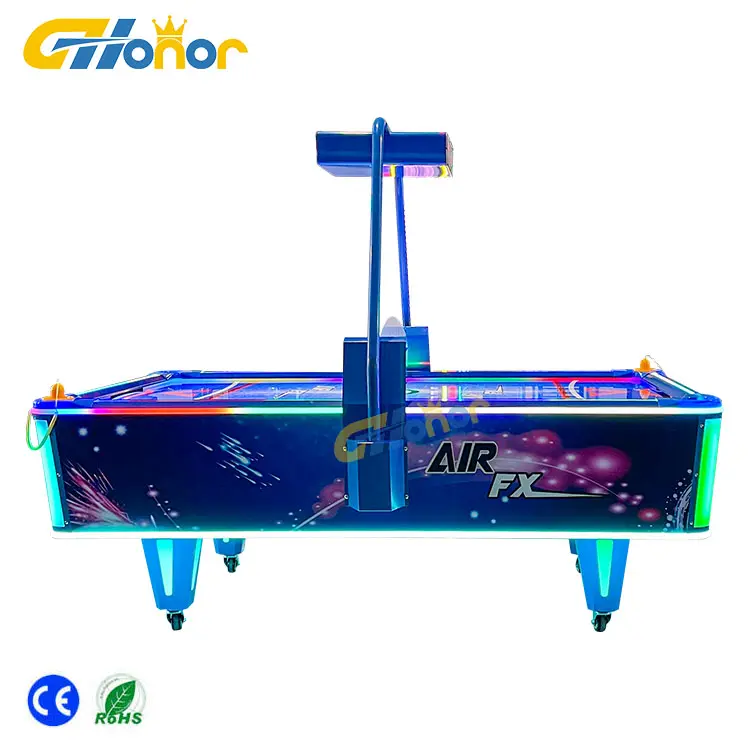
Why Air Hockey Delivers Unmatched Engagement for Home and Commercial Spaces
Air hockey turns any room into a place where people gather and have fun together. The fast action needs quick reactions, creating excitement that beats most other arcade games. People love it across all ages. Family entertainment centers tell us it brings in the most money at around 78% according to FEC Benchmarking 2023. Residential customers want air hockey tables installed second only to pool tables when setting up home game rooms. What makes air hockey special? The puck floats so smoothly it's hard to predict where it will go next. Players need to keep moving constantly, which works out better than playing pinball and helps improve hand-eye skills too. Business owners find that customers come back often, usually playing about three games each visit. Tables last forever even with lots of use, sometimes over fifteen years. For homes, air hockey is great because everyone understands how to play right away. Kids, parents, and grandparents can jump into a match without needing instructions, transforming empty corners into places filled with laughter and friendly competition.
Choosing the Right Air Hockey Table Size and Build for Your Space
Compact (48") and Mid-Size (72") Tables for Limited or Hybrid Spaces
The compact 48 inch versions work really well in small spaces like apartments or those rooms that get used for multiple things around the house. They need about three feet free on each side so people can actually play without bumping into walls. Then there are the mid sized 72 inch tables which offer something different altogether. These give enough room for proper games while still not taking over an entire room, perfect for families who want dedicated play areas or those spots where kids hang out and maybe watch some movies too. What makes these options stand out is their light build that lets folks move them around when needed plus prices that won't break the bank. Casual gamers and anyone buying their first table will find these models particularly appealing because they combine practicality with reasonable cost.
Full-Size (96") and Commercial-Grade Tables for Authentic Arcade Performance
The big boys of air hockey, those full size 96 inch tables, really do mimic what folks see in arcades, though they need plenty of room around them at least four feet on all sides before anything else goes near. When it comes to commercial grade models, these babies are made tough. They've got steel frames that can take a beating, motors that pack real torque, and blowers strong enough to keep pucks gliding smoothly even after eight or more hours straight of play each day. Serious players who want that tournament feel will appreciate how responsive the table stays game after game. And for places where crowds come through constantly, these tables just keep going without breaking down, making them worth every penny despite the upfront cost.
Critical Air Hockey Features That Impact Play Quality and Longevity
Airflow System: CFM Ratings, Blower Type, and Puck Glide Consistency
Good airflow makes all the difference when it comes to real air hockey action. Look for tables that can push at least 210 cubic feet of air per minute across the playing surface. This creates an even layer of cushioning everywhere on the table, so there are no annoying dead zones where the puck gets stuck. Players will notice smoother, more predictable movement as they battle back and forth during intense matches. When choosing equipment, go for those high output AC powered blowers instead of batteries or cheap low wattage options. The consistent pressure these systems provide is what serious players need to compete at their best level night after night.
Playfield Material and Construction: Aluminum vs. MDF and Surface Flatness Tolerance
What kind of surface we play on really makes all the difference when it comes to how consistent, durable, and long lasting our game will be. Aluminum sheets stand out because they stay super flat within about half a millimeter tolerance, plus they don't warp much even when humidity levels change or temperatures fluctuate. This means pucks keep moving at the same speed and gliding smoothly across the table for years. For those looking for something cheaper, medium density fiberboard works too but needs extra protection like laminates to stop water damage and prevent the surface from breaking down over time. Most serious commercial tables go with aluminum though since it doesn't get scratched easily, handles heat changes better, and just keeps performing well year after year without losing quality.
Home vs. Arcade Air Hockey Tables: Key Differences in Durability, Design, and Value
Durability: Materials and Lifespan
Arcade quality air hockey tables are built to last forever basically, with heavy duty steel frames covered in powder coating and extra thick rails that can take whatever punishment comes from daily use in busy arcades for over a decade. For homes though most people go with cheaper options made from MDF boards or some kind of light composite material since they just want something affordable for weekend family fun. These residential versions usually start showing wear after around three to five years of regular play. Makes sense when you think about it really. Home owners care more about how easy it is to move around and set up in different rooms while business owners need tables that won't fall apart after a few hundred games played by sweaty teenagers with no regard for equipment.
Design: Performance Features
Critical design differences include:
- Airflow systems: Commercial blowers deliver 120–200 CFM for consistent, high-speed puck glide—versus 60–80 CFM in most home units.
- Scoring mechanisms: Professional tables integrate electronic LED displays with anti-tilt safeguards, while residential versions often use manual counters prone to user error.
- Portability and footprint: Home tables range from 4–7 feet to suit flexible placement; commercial models span 7–8 feet to meet tournament standards.
Value Proposition
Though arcade tables command higher upfront investment, their extended lifespan, minimal maintenance, and consistent performance deliver superior long-term value in high-traffic settings. Home models provide an accessible entry point for casual players—but trade off longevity and precision for affordability and convenience.
| Feature | Arcade Tables | Home Tables |
|---|---|---|
| Frame Material | Powder-coated steel | MDF/lightweight composites |
| Blower Power | 120–200 CFM | 60–80 CFM |
| Lifespan | 10+ years (daily use) | 3–5 years (occasional use) |
This contrast highlights how durability, engineering rigor, and alignment with intended use define the true value of each table category.
FAQ
What size air hockey table should I choose for my space?
Compact (48") tables are ideal for small or hybrid spaces, while mid-size (72") tables work well for dedicated play areas. Full-size (96") tables require more room and are suitable for arcade-like experiences.
How do I ensure the longevity of my air hockey table?
Choose tables with aluminum surfaces for durability, and ensure they have high CFM airflow systems for consistent puck glide. Regular maintenance and avoiding water exposure can also extend lifespan.
What are the key differences between home and arcade air hockey tables?
Arcade tables feature robust construction, powerful blowers, and electronic scoring, suitable for heavy daily use. Home tables prioritize affordability and portability but may sacrifice some durability and precision.