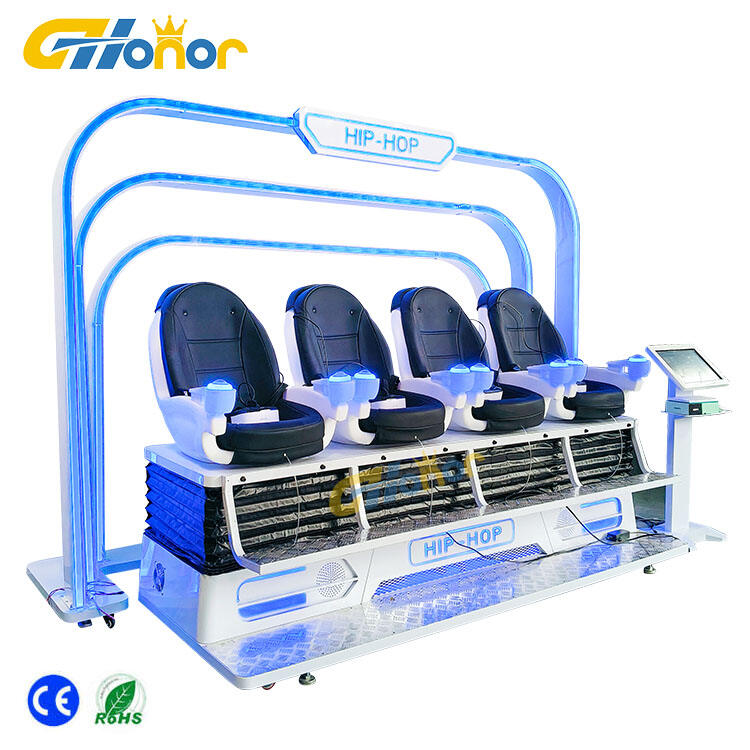
VR for amusement park refers to the integration of virtual reality technology into amusement park attractions, rides, and experiences, creating immersive, interactive, and often multi-sensory entertainment that combines physical sensations with digital environments. This technology transforms traditional amusement park offerings by allowing visitors to explore fantastical worlds, engage in thrilling scenarios, or interact with virtual elements, all while often experiencing physical movements or effects that sync with the virtual content. One common application is VR-enhanced rides, where existing roller coasters, dark rides, or motion simulators are paired with VR headsets. For example, a roller coaster’s drops, turns, and speed can be synchronized with a virtual journey through space, a jungle adventure, or a fantasy battle, making the physical sensations of the ride feel like part of the virtual story. This overlay of digital content adds layers of narrative and excitement, turning a familiar ride into a new experience each time the VR content is updated. Standalone VR attractions are also popular, such as free-roam VR experiences where groups of visitors move through a physical space while wearing headsets, interacting with virtual objects and each other in a shared digital environment. These might include escape room-style challenges, zombie battles, or exploration of ancient ruins, with motion tracking ensuring that physical movements (walking, reaching, ducking) are reflected in the virtual world. Many of these attractions incorporate haptic feedback—vibrating vests, wind machines, or even scent dispensers—to enhance immersion, making visitors feel rain, explosions, or the smell of a virtual forest. VR in amusement parks also allows for experiences that would be impossible with traditional rides, such as diving into the deep ocean, flying through historical cities, or traveling through time, expanding the park’s ability to offer diverse and unique entertainment. For park operators, VR provides flexibility, as content can be updated regularly to keep attractions fresh, catering to repeat visitors and adapting to new trends. It also appeals to a broad demographic, from tech-savvy teenagers to families seeking interactive fun, making it a valuable addition to modern amusement parks looking to blend classic thrills with cutting-edge technology.
 EN
EN