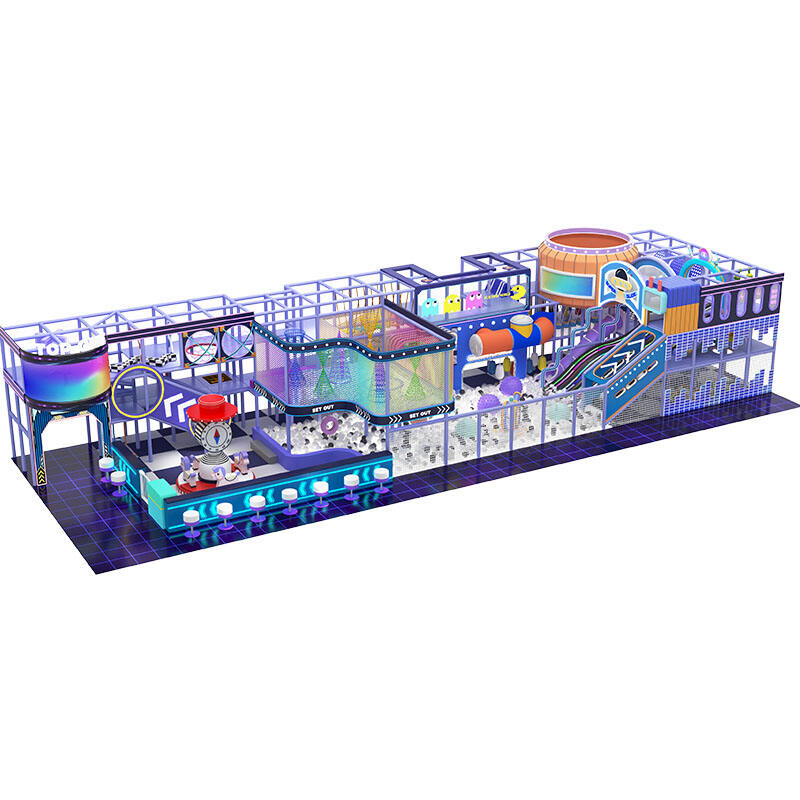
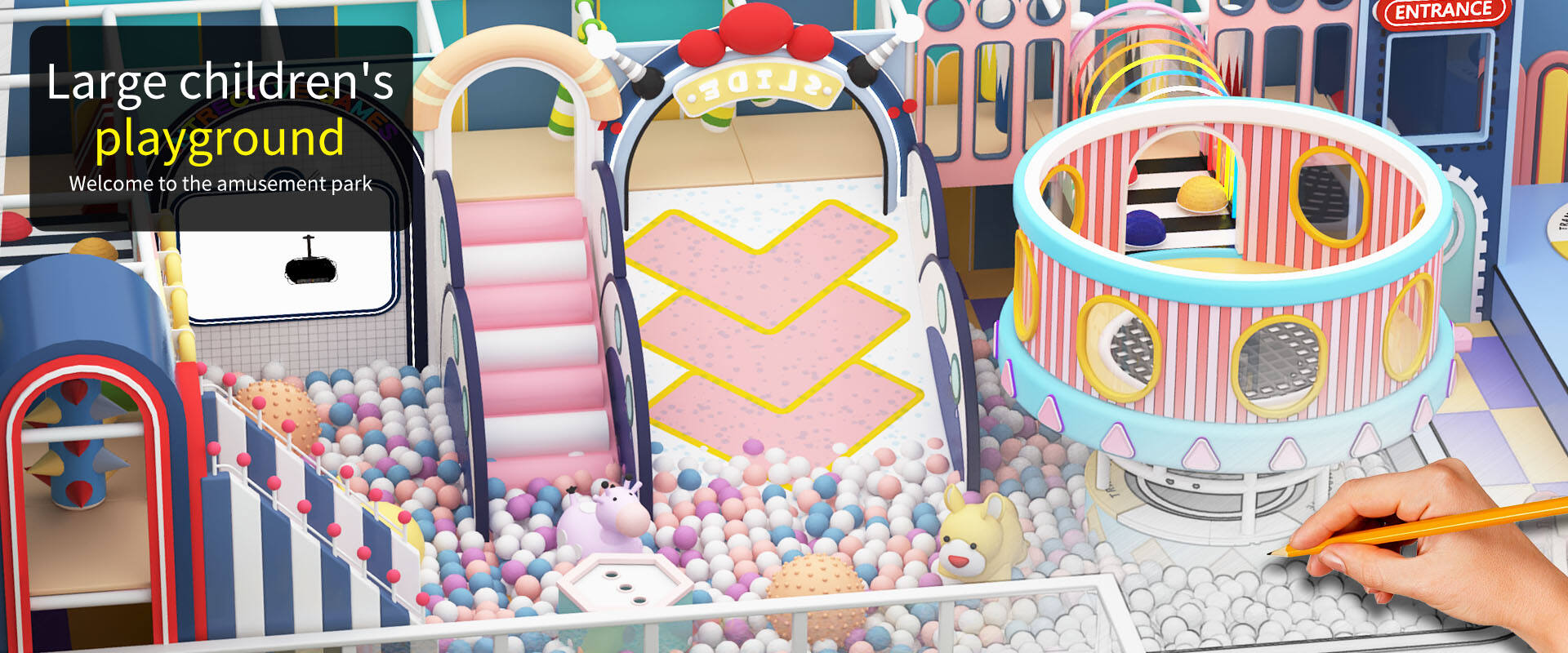
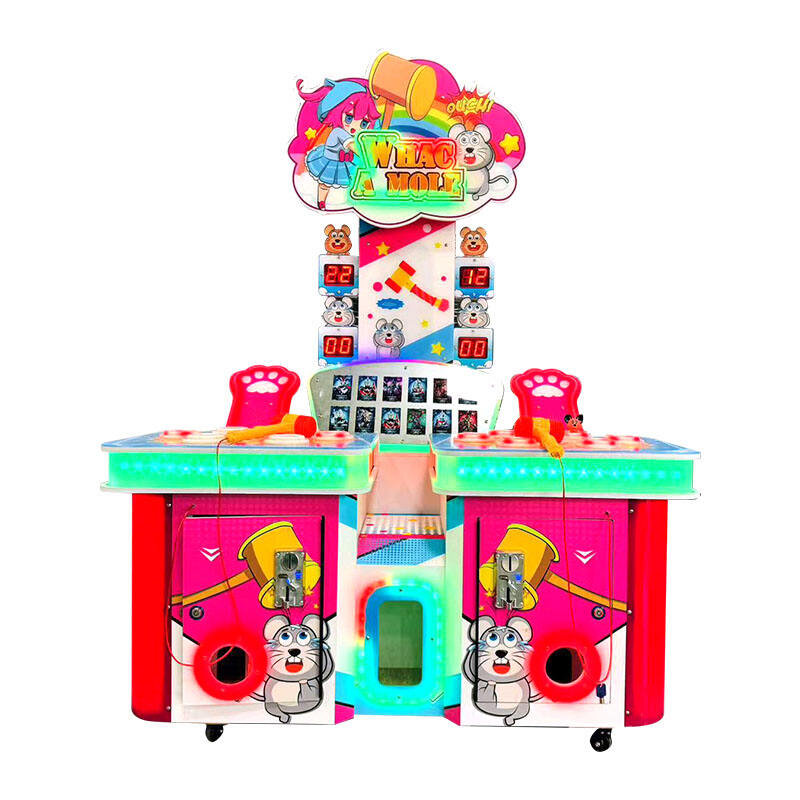
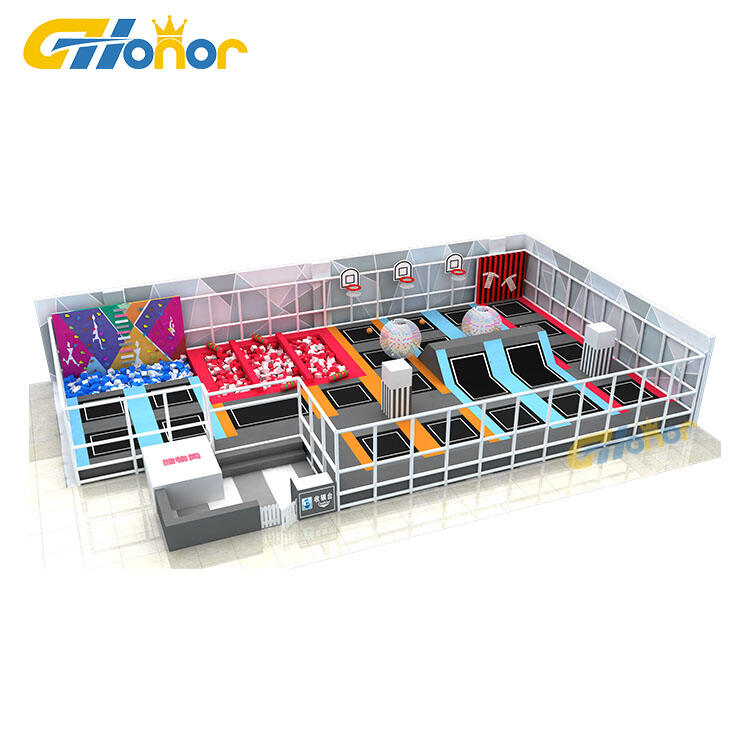
A small indoor amusement park is a compact, focused indoor entertainment facility designed to operate within limited square footage—typically ranging from a few hundred to a few thousand square feet—while still offering a diverse range of attractions tailored to a specific target audience, such as young children, families, or teenagers. These parks prioritize efficiency, creativity, and community appeal, leveraging their smaller size to create a cozy, accessible environment that is easy to navigate and cost-effective to operate. The key to a successful small indoor amusement park is careful selection of attractions that maximize engagement without requiring excessive space. For example, instead of large roller coasters or expansive obstacle courses, these parks feature compact, multi-functional equipment: soft play modules that combine climbing, sliding, and sensory elements in one structure, tabletop arcade games (air hockey, mini bowling), or interactive touchscreen games that don’t take up floor space. Redemption games, where players win tickets for small prizes, are popular because they are space-efficient and encourage repeat play. Zoning is critical in a small space, with distinct areas for different activities—e.g., a toddler play corner with padded mats and mini slides, a central area with arcade games, and a small seating zone for parents—arranged to optimize traffic flow and prevent overcrowding. The layout avoids dead ends and uses visual cues (colors, signage) to guide visitors, making the park feel larger than it is. Small indoor amusement parks often focus on a specific theme to create a cohesive, memorable experience, such as a “circus,” “space,” or “farm” theme, which is reflected in decor, signage, and even the design of attractions. This thematic focus helps differentiate the park and makes it more appealing to its target audience. Operational efficiency is a priority, with amenities like a small snack bar or vending machines instead of a full restaurant, and multi-purpose party rooms that can be used for birthday celebrations or private events, maximizing revenue from the available space. Staffing is streamlined, with employees trained to handle multiple roles (supervision, customer service, maintenance), reducing labor costs. Despite their size, these parks maintain high safety standards, with all equipment meeting international certifications (CE, ASTM) and regular inspections to ensure it is in good working order. They often become beloved community spots, attracting local families with their convenience, affordability, and personalized service. By focusing on quality over quantity and tailoring offerings to their space and audience, small indoor amusement parks provide a valuable entertainment option for areas where larger facilities are not feasible.
 EN
EN