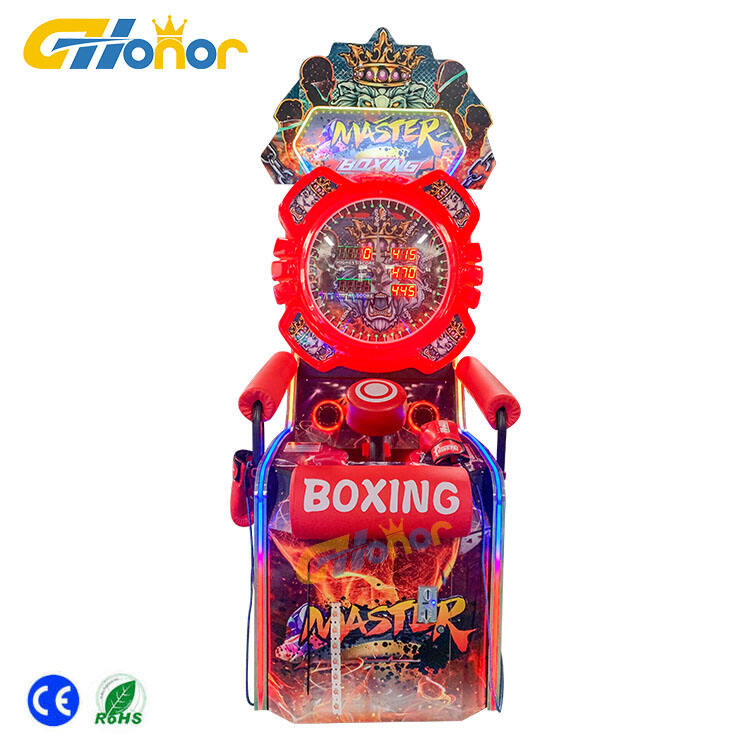
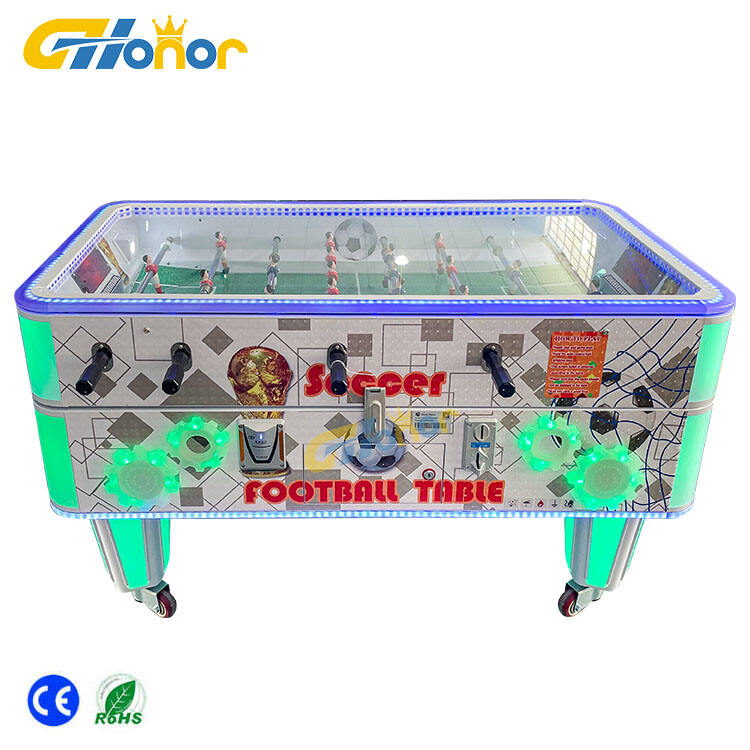
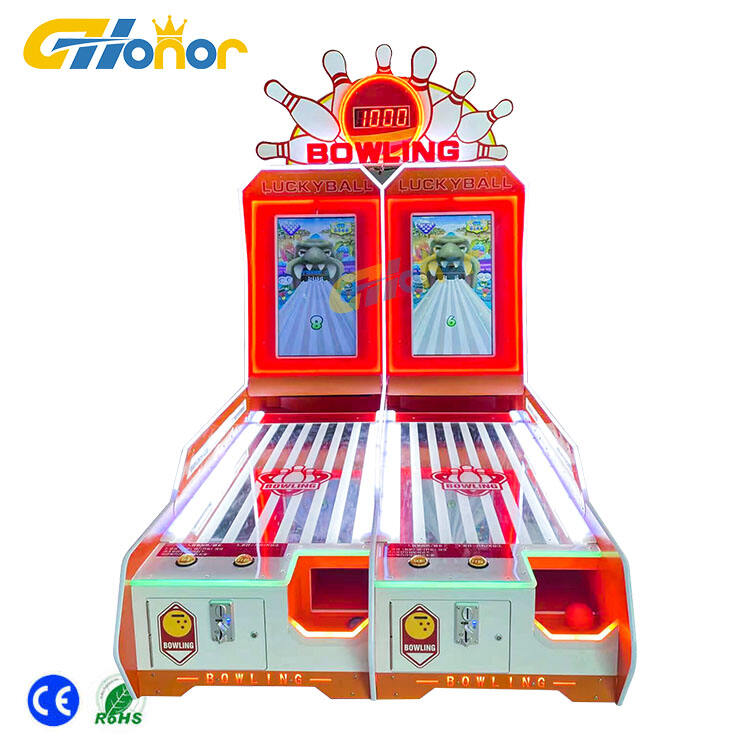
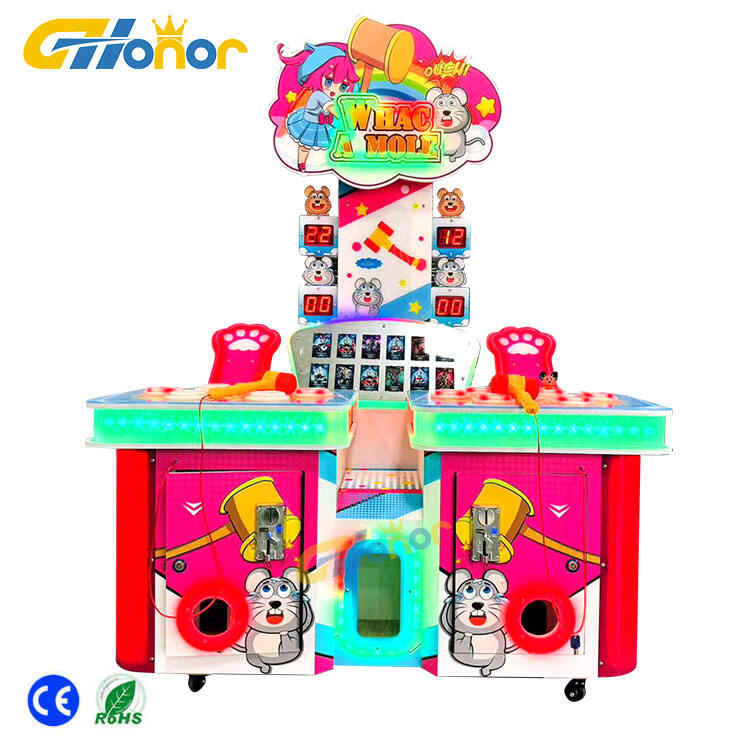
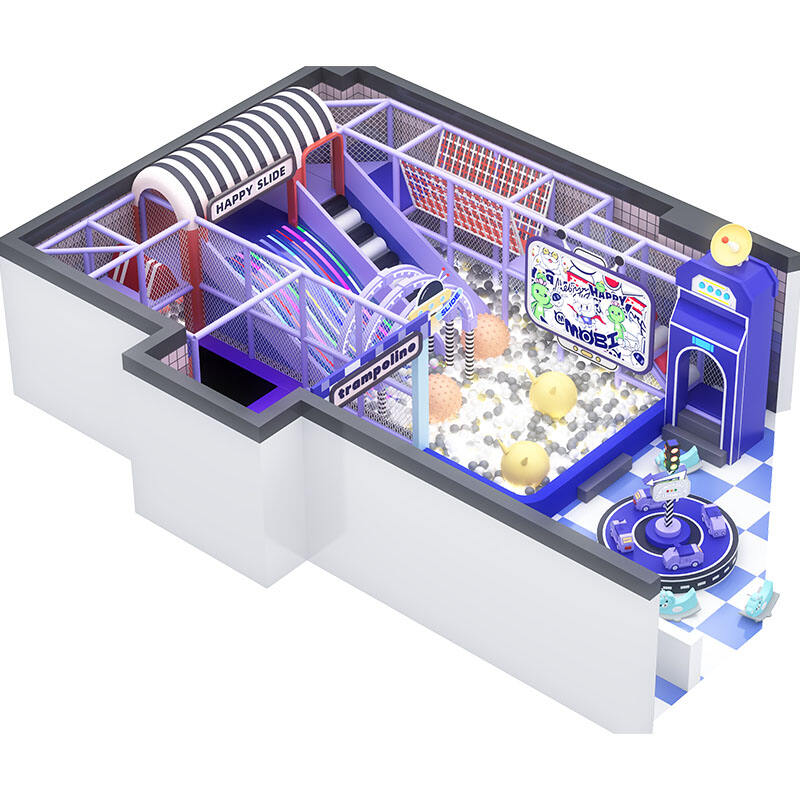
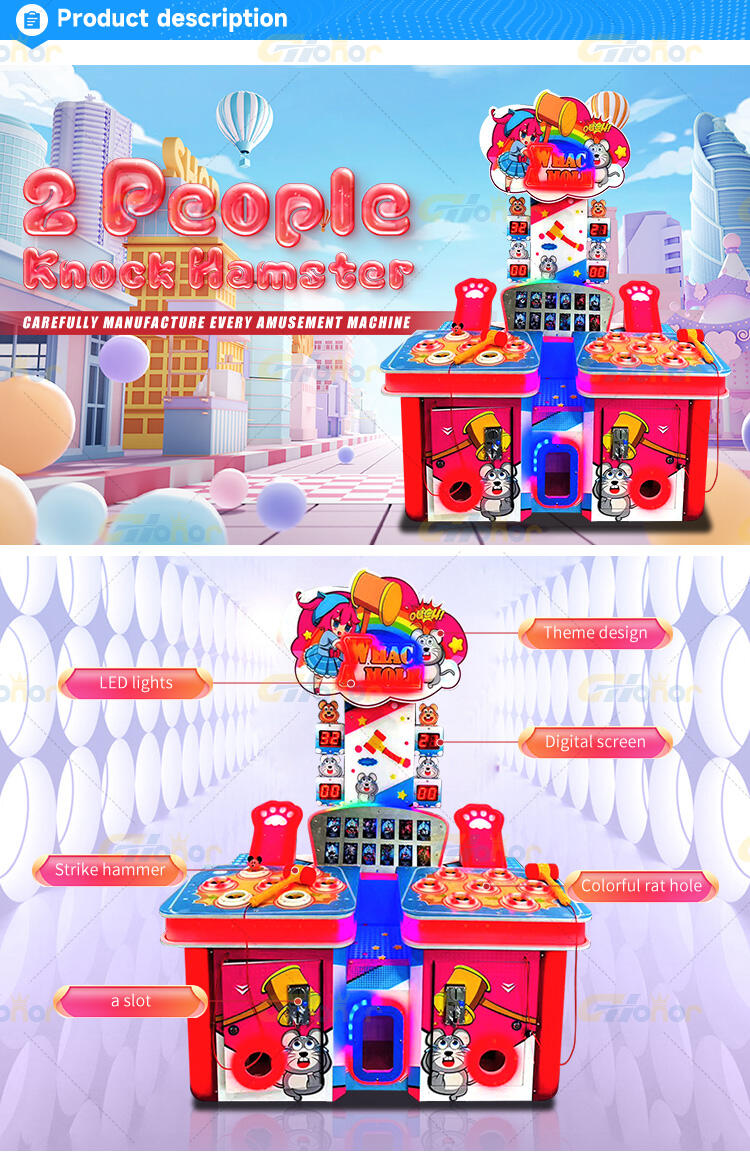
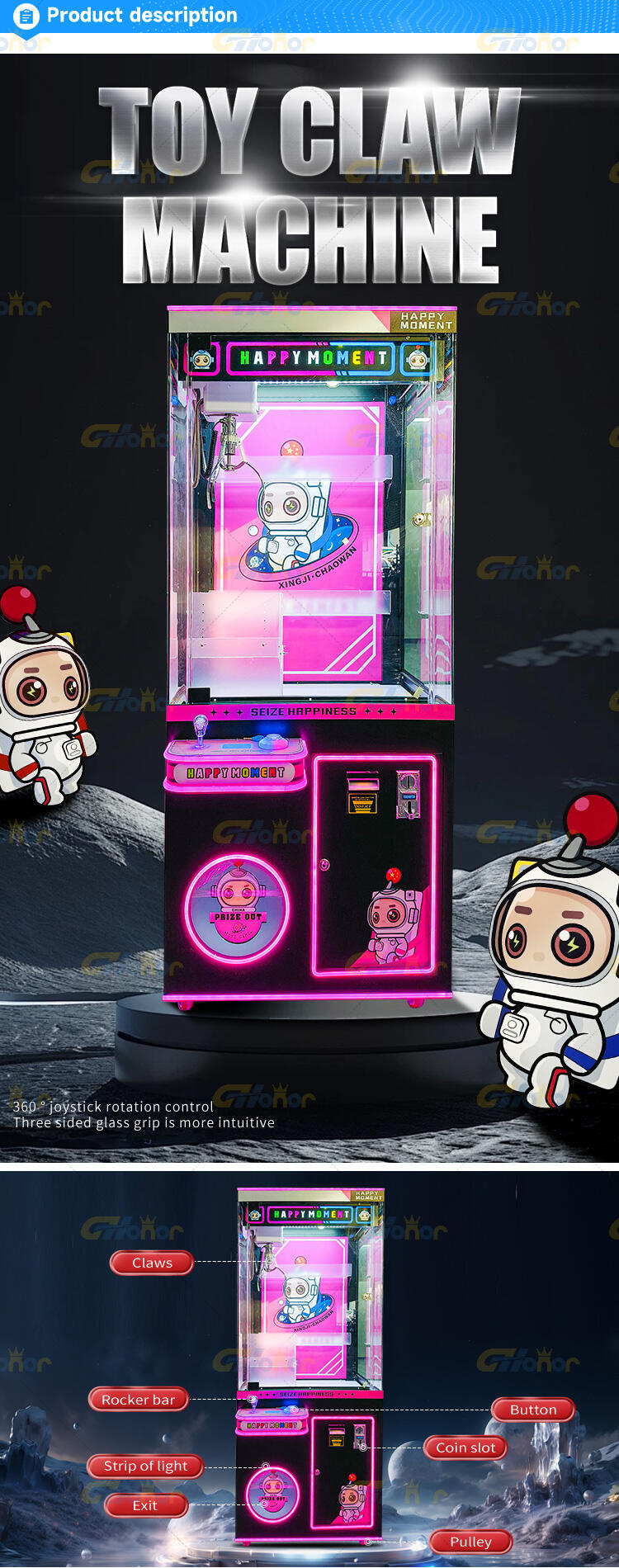
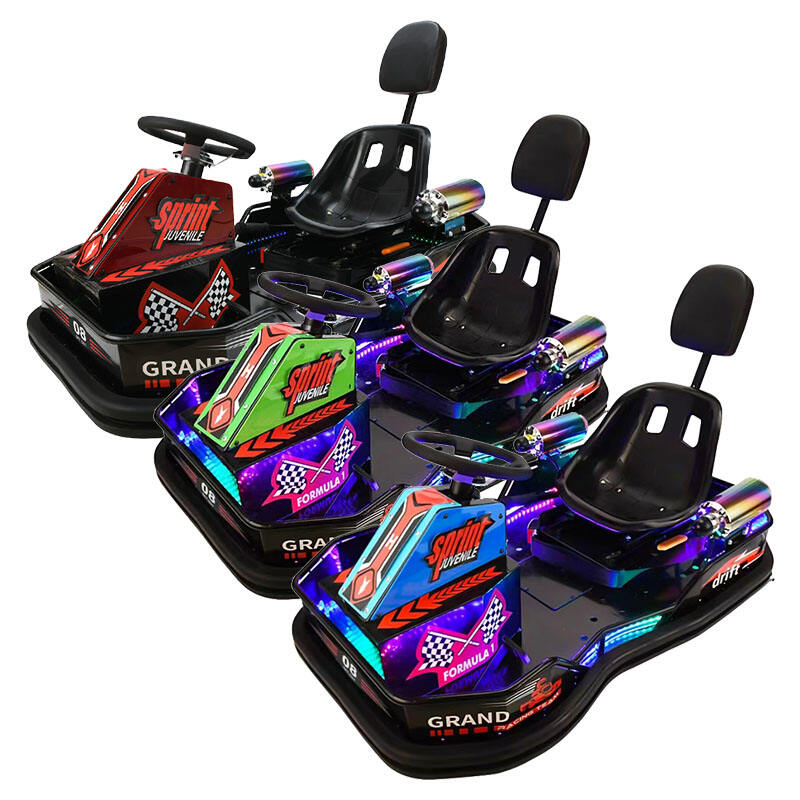
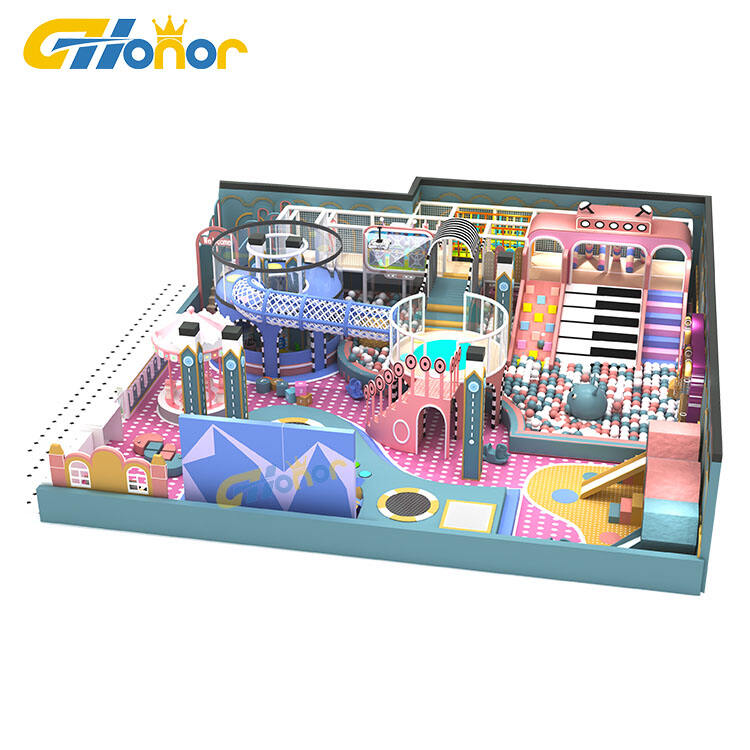
A popular amusement park is a highly visited and widely recognized leisure destination that attracts millions of visitors annually through its exceptional mix of rides, attractions, and experiences. These parks distinguish themselves by consistently delivering memorable, high-quality entertainment that appeals to diverse audiences—families, thrill-seekers, and casual visitors alike—while adapting to changing trends and maintaining a strong brand identity. Central to the popularity of an amusement park is its portfolio of rides and attractions, which balances variety and innovation to cater to different age groups and preferences. Thrill rides, such as record-breaking roller coasters (with features like inversions, steep drops, or high speeds), drop towers, and spinning rides, draw adrenaline enthusiasts, while family-friendly attractions like carousels, dark rides, and water flumes provide shared experiences for parents and children. Interactive attractions, including virtual reality simulators, laser tag arenas, and live shows, add depth to the offering, ensuring there is always something new to explore. Popular parks regularly invest in new attractions to generate excitement and encourage repeat visits, whether through groundbreaking technology (e.g., 4D theaters, immersive VR experiences) or highly anticipated themed rides tied to popular movies or franchises. Immersive theming is another hallmark of a popular amusement park, transforming the park into a series of distinct, cohesive worlds that transport visitors beyond everyday life. This theming is evident in architecture, landscaping, staff costumes, food options, and even music, creating a unified narrative that enhances immersion. For example, a park might feature a “Main Street” area modeled after a 1950s town, complete with vintage storefronts and period-appropriate music, or a “Jungle Adventure” zone with lush greenery, animatronic animals, and tropical-themed snacks. Themed areas often group related rides and attractions, making navigation intuitive and reinforcing the storytelling. Visitor experience is prioritized through thoughtful amenities and services that enhance comfort and convenience. This includes clean restrooms, ample seating, shaded areas, and a diverse range of dining options—from quick-service snacks to themed restaurants—that cater to different dietary needs and budgets. Efficient crowd management, such as fast-pass systems, mobile apps for ride wait times, and clear signage, reduces frustration and maximizes the time visitors spend enjoying attractions. Staff training is also key, with employees (often referred to as “cast members” in themed parks) who are friendly, knowledgeable, and committed to creating a positive atmosphere. Popular amusement parks leverage effective marketing and community engagement to maintain their visibility. They use social media, influencer partnerships, and targeted advertising to reach potential visitors, while special events—holiday celebrations, seasonal festivals, or celebrity appearances—create buzz and attract diverse crowds. Many parks also build loyalty through membership programs, offering perks like discounted tickets, early access, or exclusive events to encourage repeat visits. Ultimately, the success of a popular amusement park lies in its ability to create emotional connections with visitors, blending excitement, nostalgia, and joy in a way that feels unique and worthwhile. By balancing innovation with tradition, and catering to both individual preferences and shared experiences, these parks become beloved destinations that stand the test of time.
 EN
EN