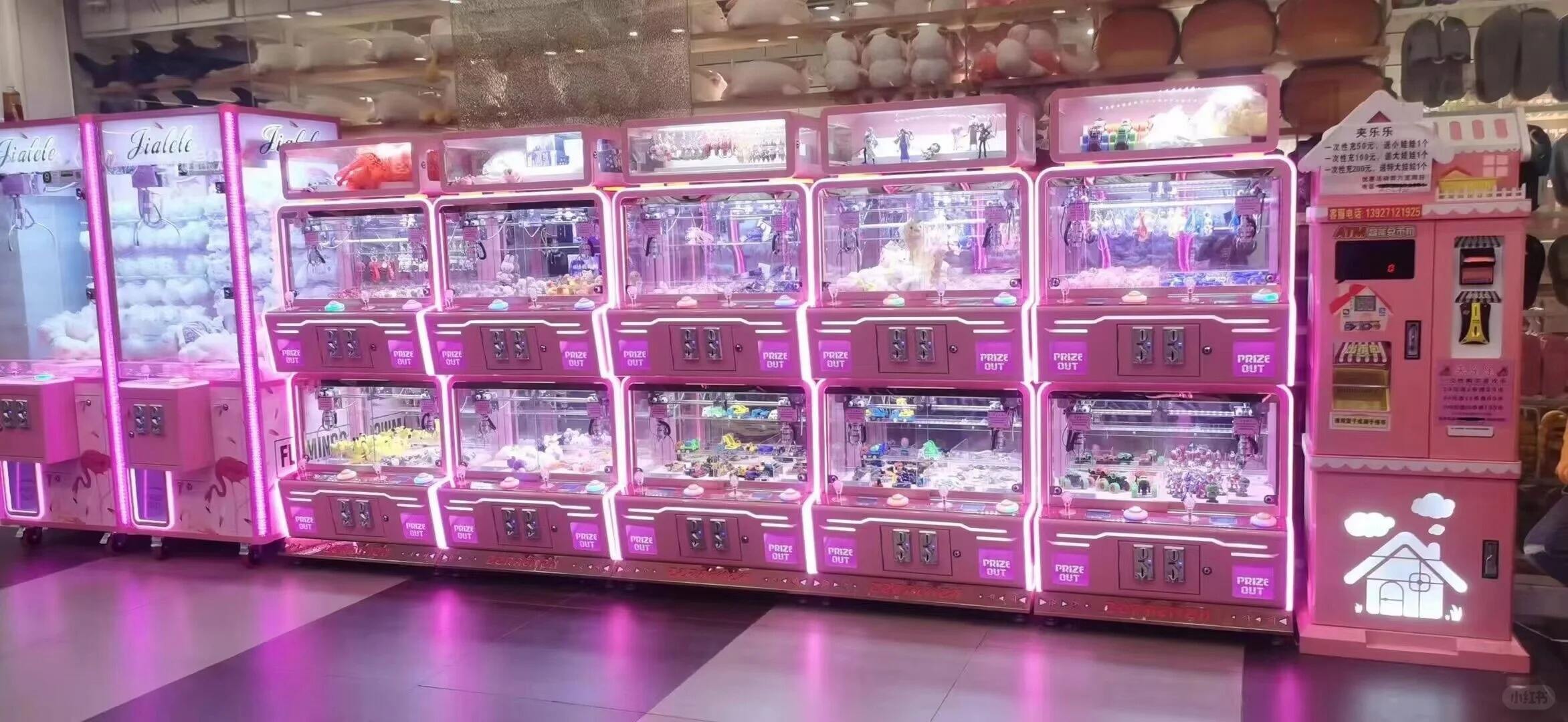
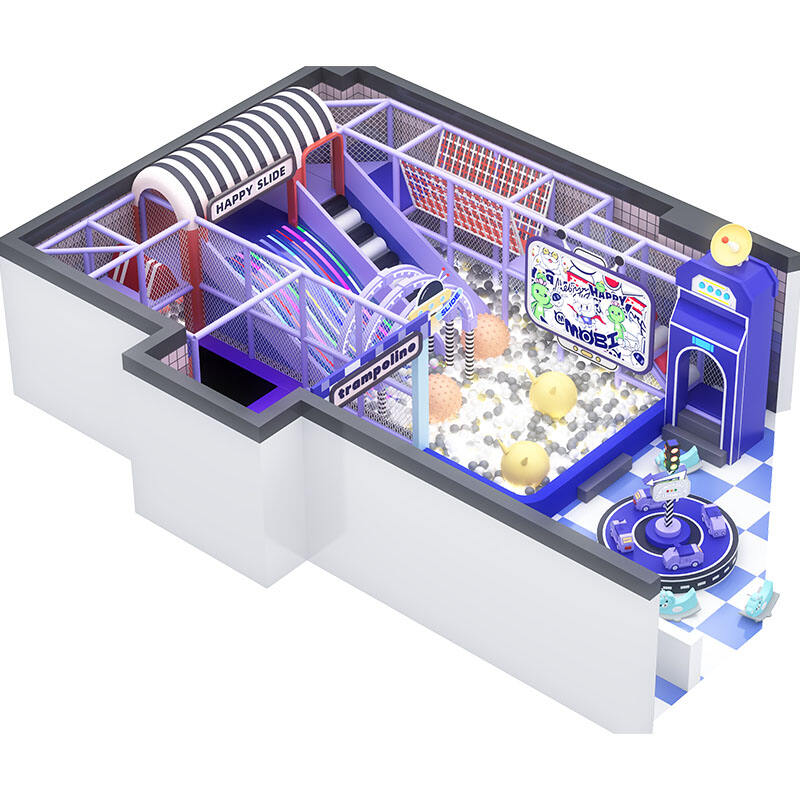
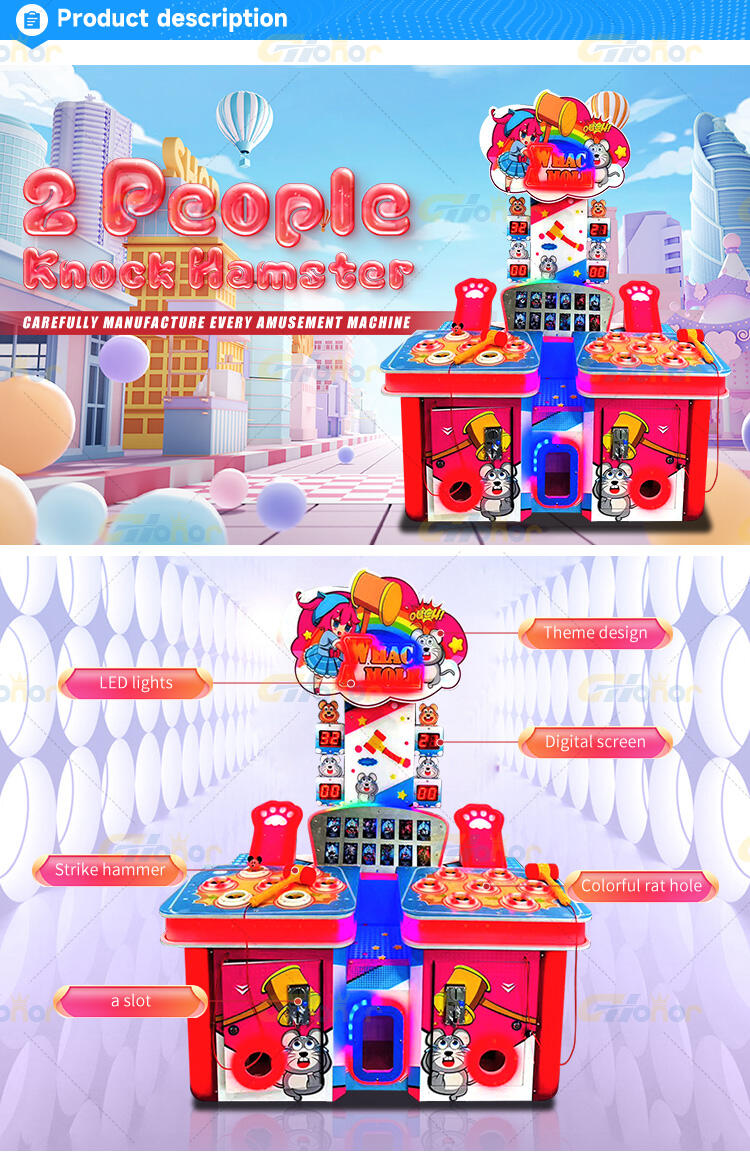
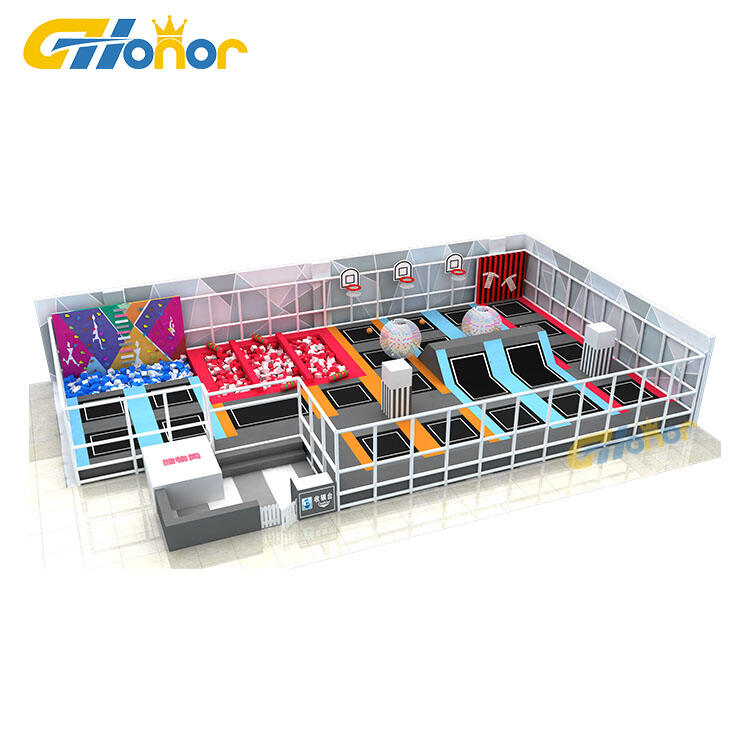
A large indoor amusement park is an expansive entertainment facility, often spanning tens of thousands of square feet, offering a wide array of attractions, amenities, and experiences designed to cater to diverse audiences—from young children and families to teenagers and adults. These parks leverage their size to provide immersive, multi-themed environments with high-capacity attractions, extensive dining options, and special events, positioning themselves as major entertainment destinations that can accommodate large crowds and compete with outdoor amusement parks. The defining feature of a large indoor amusement park is its diverse range of attractions, which includes both classic and cutting-edge options. For thrill-seekers, there are indoor roller coasters (often with inversions or high speeds), large-scale obstacle courses, and virtual reality (VR) simulators that offer immersive adventures like skydiving or dinosaur encounters. Families with young children can enjoy expansive soft play areas, themed carousels, and interactive dark rides (story-based attractions with animatronics and special effects). Arcade zones feature hundreds of games, from classic pinball to the latest multiplayer video games, while dedicated areas for laser tag, mini-golf, or bowling provide additional entertainment options. Large indoor amusement parks often incorporate multiple themed zones, each with its own decor, music, and attractions—for example, a “boardwalk” area with retro games, a “futuristic city” with high-tech rides, and a “jungle” zone with adventure-themed play structures. This thematic diversity creates a sense of exploration, encouraging visitors to spend hours discovering new areas. Amenities are extensive, including multiple restaurants and snack bars offering diverse cuisines (from fast food to sit-down dining), retail stores selling branded merchandise, and spacious seating areas for rest. Many parks also include event spaces for large gatherings, such as corporate functions, school trips, or seasonal celebrations (Halloween haunted houses, Christmas markets), which serve as additional revenue streams. Operations in a large indoor amusement park are complex, requiring a large staff (ride operators, customer service, maintenance, security) and sophisticated systems for ticketing, crowd management, and safety. Safety protocols are rigorous, with regular inspections of rides, emergency response teams, and clear signage to guide visitors. These parks often use technology to enhance the visitor experience, such as mobile apps for ride wait times, cashless payment systems, and interactive maps. By offering something for everyone in a convenient, weather-proof environment, large indoor amusement parks become year-round destinations that attract visitors from far and wide, contributing significantly to local entertainment economies.
 EN
EN