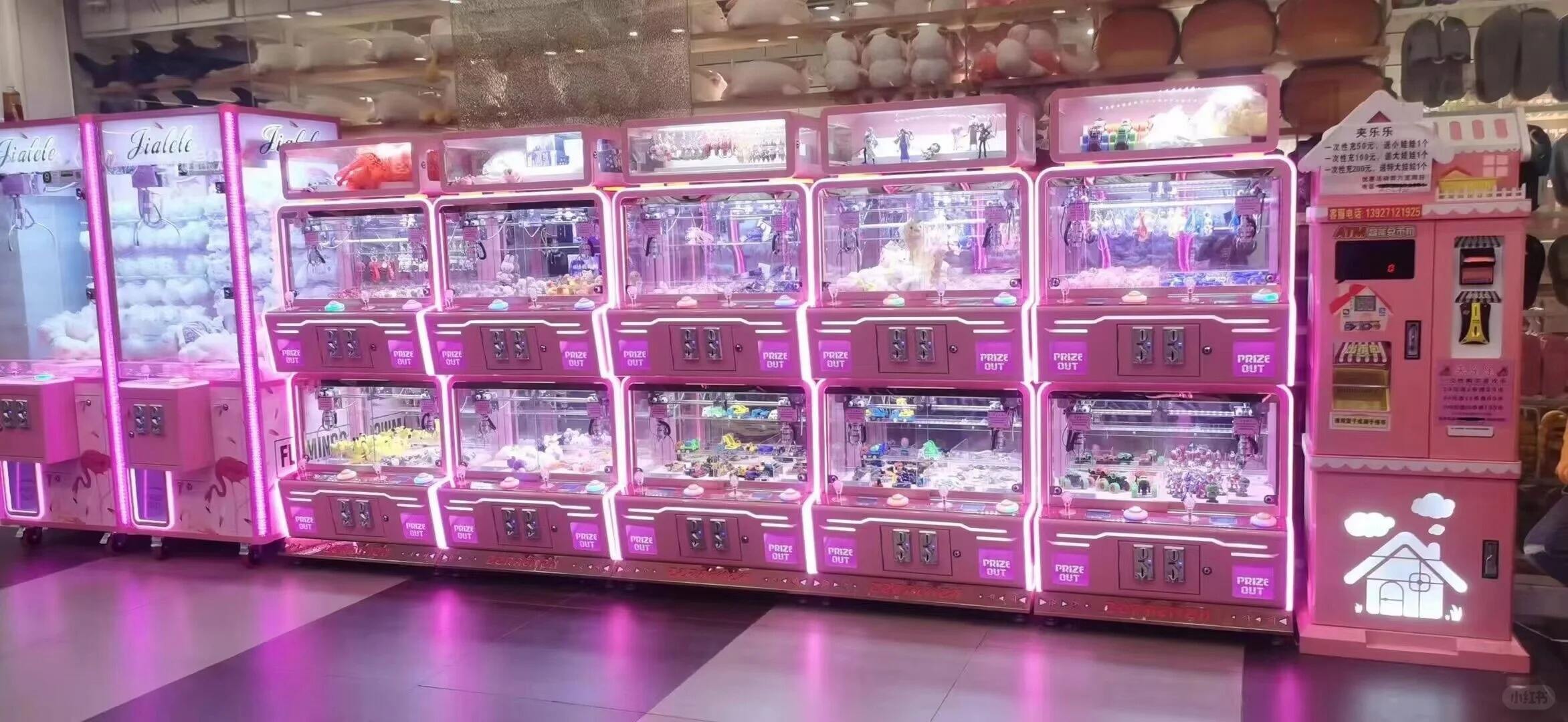
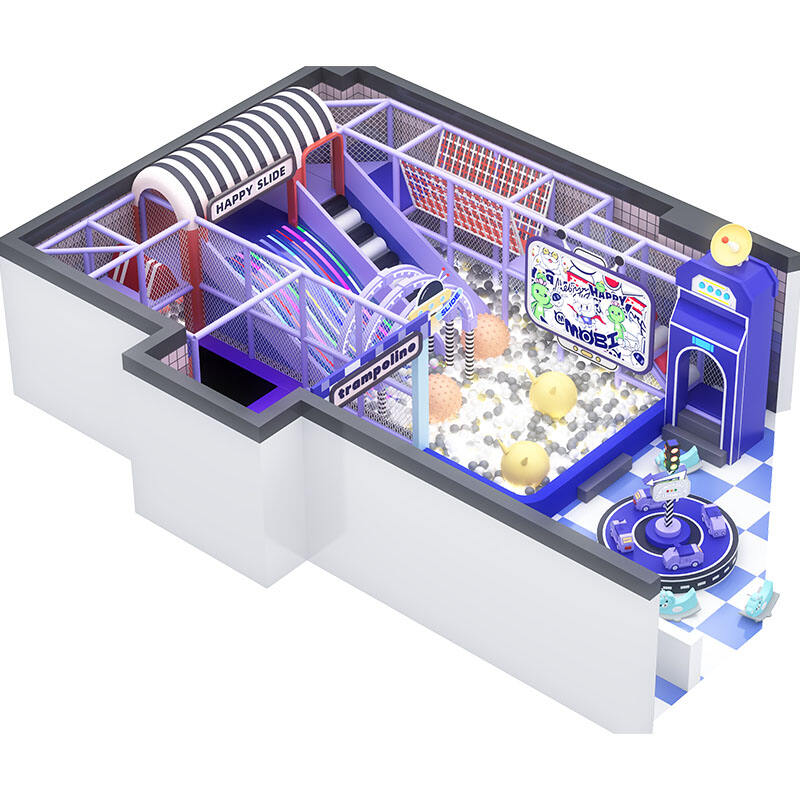
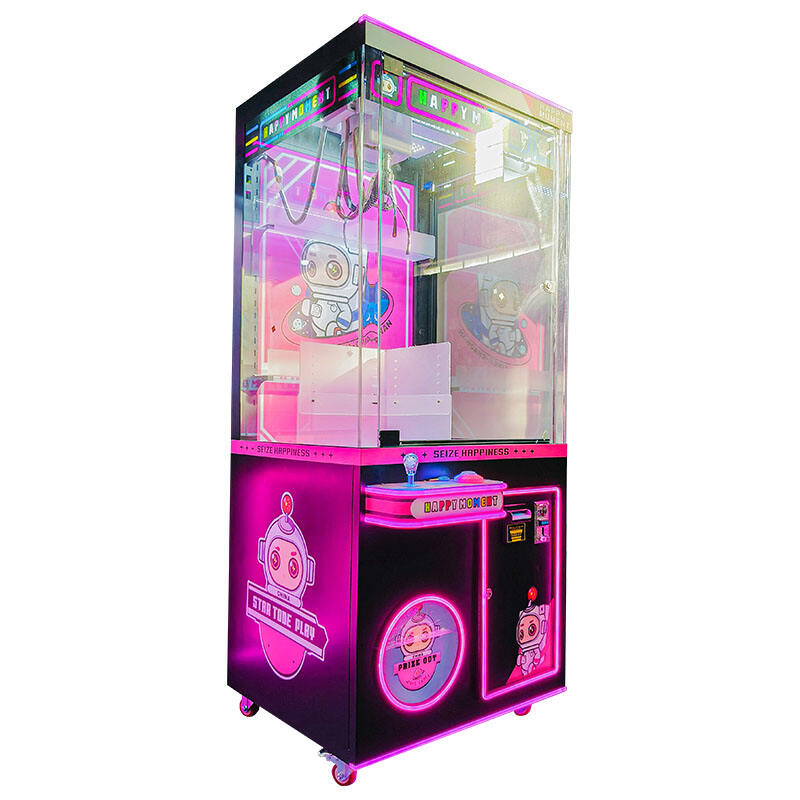
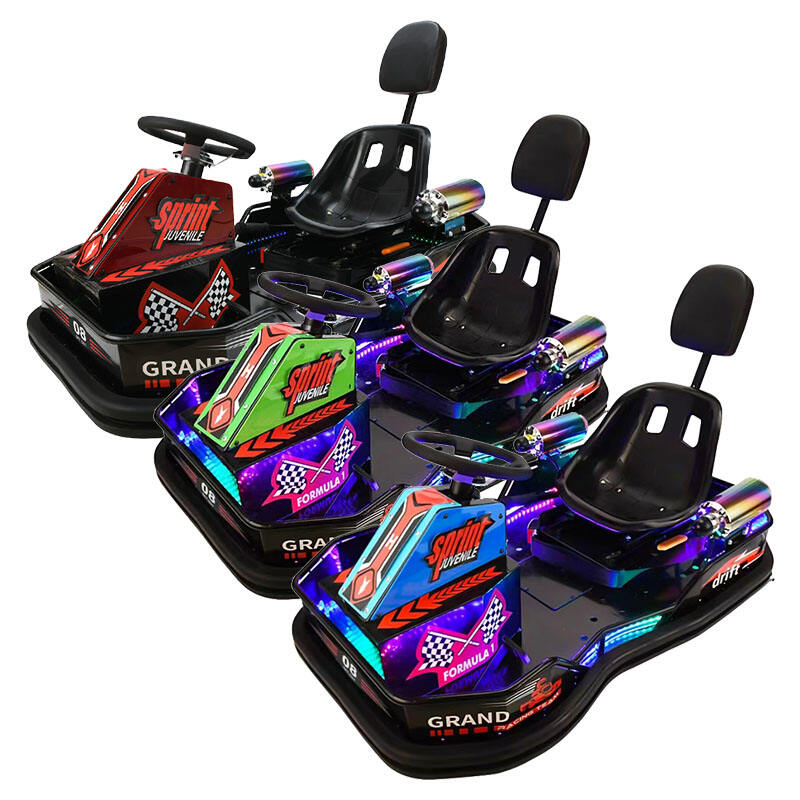
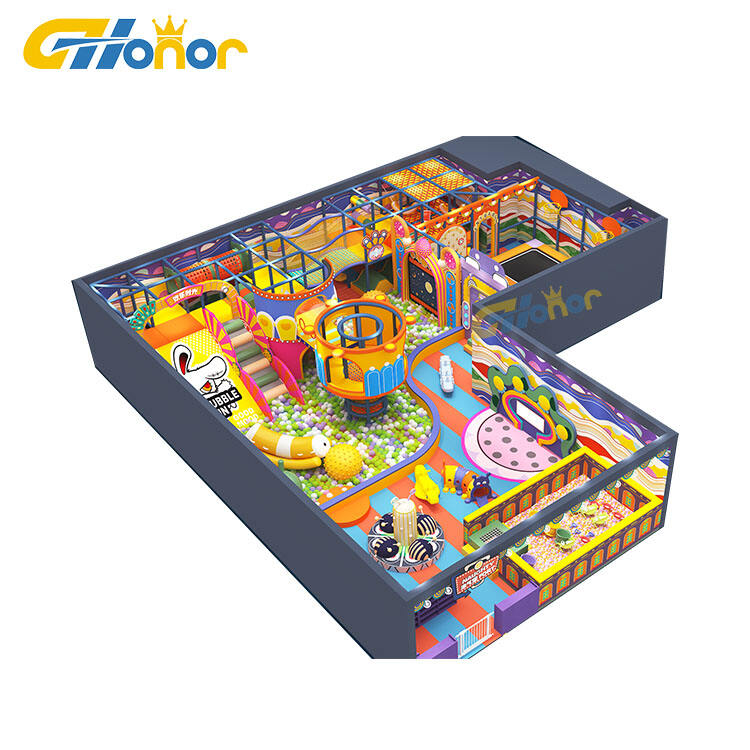
A kids indoor playground business involves creating and operating a dedicated indoor space designed for children’s play, entertainment, and development, offering a safe, engaging environment for kids while generating revenue through admission fees, party bookings, or additional services. This business model combines elements of entertainment, childcare, and retail, requiring careful planning around location, safety, target audience, and operational management to succeed. Key considerations for starting a kids indoor playground business include market research to identify demand in the target area—assessing factors like population demographics (number of families with young children), competition (existing playgrounds, parks, or family entertainment centers), and local regulations (zoning laws, safety standards). Location is critical, with high-visibility areas near residential neighborhoods, shopping centers, or family-friendly businesses (like malls or supermarkets) attracting more customers. The space should be accessible, with ample parking and easy entry for strollers or families with multiple children. Designing the playground involves balancing play value, safety, and capacity. The layout should include age-appropriate zones—toddler areas with soft play equipment, climbing structures for older kids, and interactive play zones (like ball pits, slides, or obstacle courses)—to cater to different age groups (typically 1–12 years). Safety features are non-negotiable, including padded flooring, rounded edges on equipment, secure fencing, and regular inspection protocols to meet local safety standards (such as ASTM or EN standards). Operational aspects include staffing with trained employees who supervise play, assist children, and enforce safety rules. Many businesses offer additional services to boost revenue, such as birthday party packages (including private party rooms, catering, and themed decorations), membership plans (unlimited access for a monthly fee), or retail sales (snacks, toys, or branded merchandise). Marketing strategies focus on targeting parents through social media, local advertising, partnerships with schools or daycares, and word-of-mouth referrals from satisfied customers. Customer retention is key, with loyalty programs, special events (holiday-themed activities, character visits), or parent amenities (free Wi-Fi, seating areas, coffee bars) encouraging repeat visits. Successful kids indoor playground businesses prioritize cleanliness, with strict hygiene protocols (regular sanitization of equipment, handwashing stations) to maintain a healthy environment, especially important for parents concerned about their children’s well-being. Financial planning includes budgeting for initial investments (leasehold improvements, equipment purchase, permits) and ongoing costs (rent, utilities, staff salaries, insurance). Profitability depends on balancing capacity (maximizing number of children without overcrowding) and pricing (setting admission fees that are competitive yet cover costs). With the right mix of safety, fun, and convenience, a kids indoor playground business can become a beloved community hub, providing value to families while building a sustainable, profitable venture.
 EN
EN