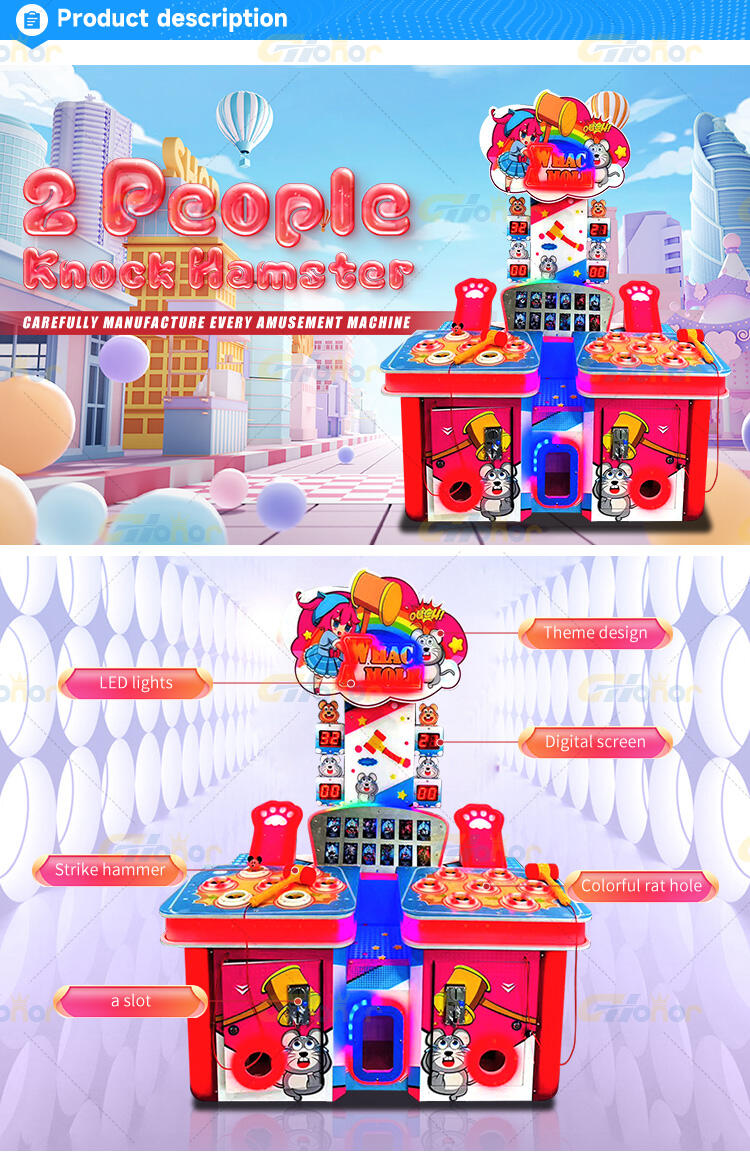
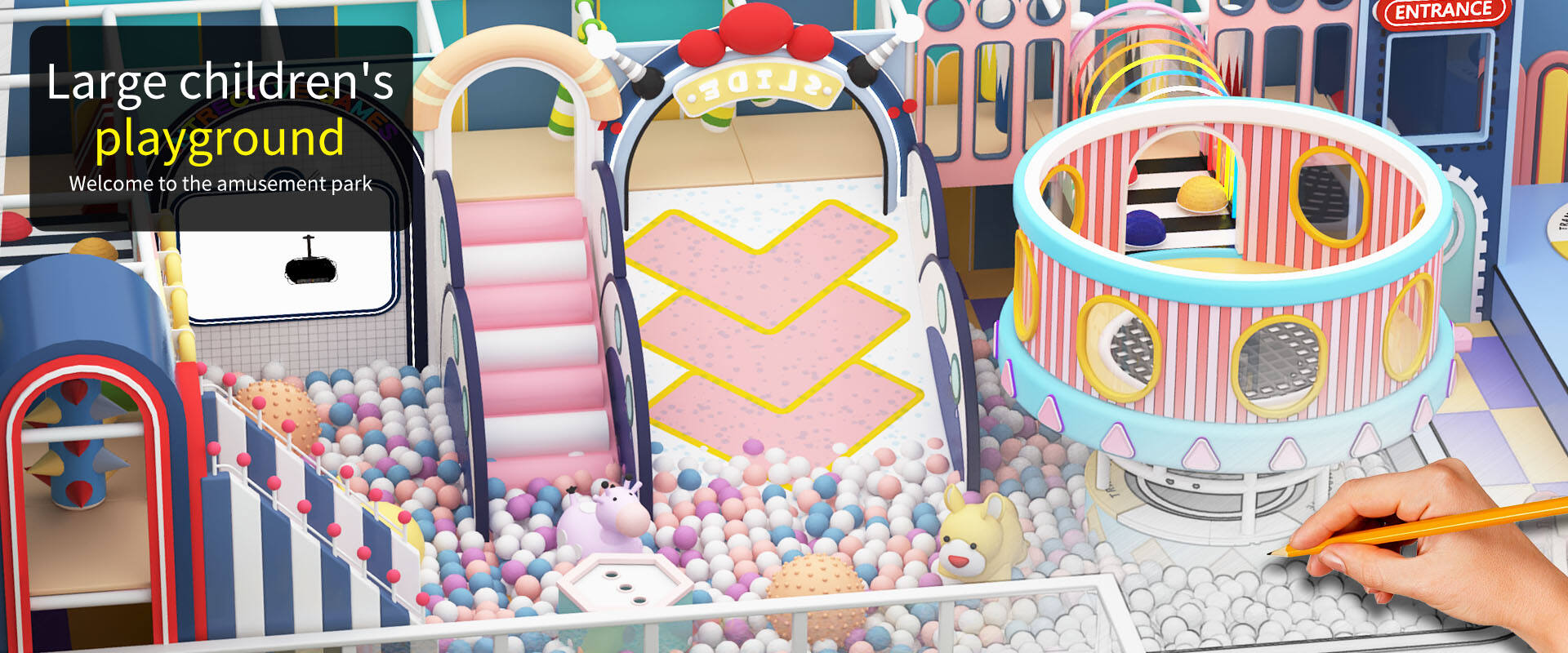
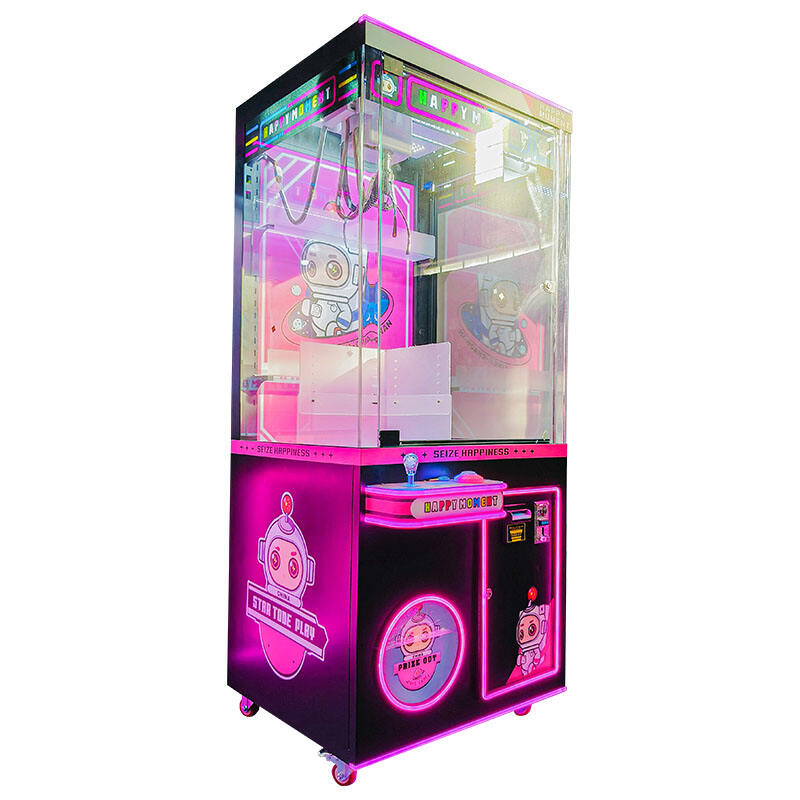
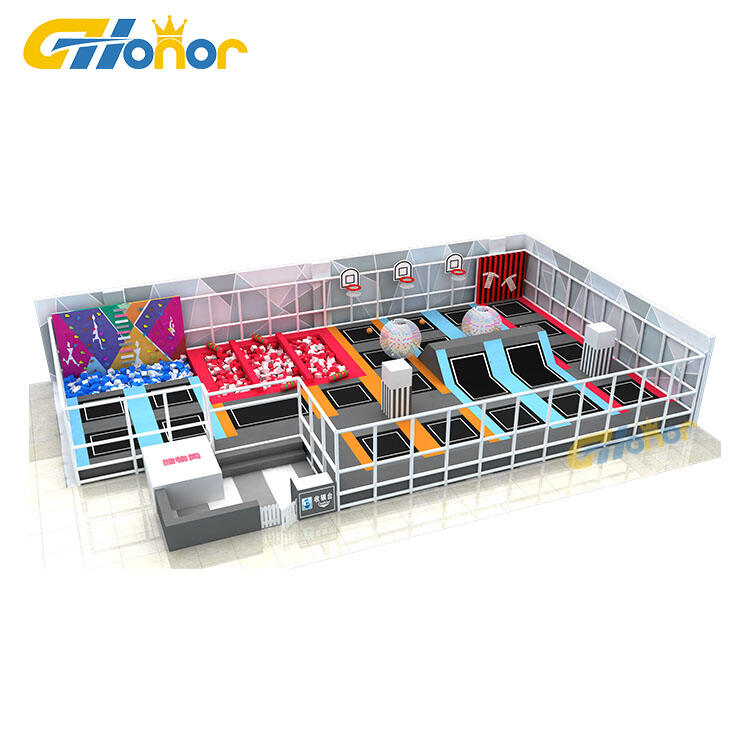
Indoor amusement park planning is a systematic process of designing and organizing all aspects of an indoor amusement facility—from concept development to execution—ensuring it meets the needs of the target audience, adheres to safety standards, and operates efficiently. This comprehensive planning involves multiple stages, each critical to creating a successful, engaging, and profitable space that balances fun, functionality, and practicality. The planning process begins with defining the target audience, whether it’s families with young children, teenagers, or a mix of age groups, as this shapes every subsequent decision. For example, a park focused on toddlers will prioritize soft play areas and low-height structures, while one targeting older kids may include arcade games, VR simulators, and more challenging obstacle courses. Market research is essential to identify local demand, competition, and trends, helping to determine the park’s unique selling points—such as a specific theme (e.g., jungle, space), unique attractions, or inclusive design for children with disabilities. Next, the concept and theme are developed, creating a cohesive vision that guides all elements from decor to equipment selection. A well-defined theme enhances immersion, making the park more memorable; for instance, a “pirate adventure” theme could include ship-shaped play structures, treasure hunt games, and pirate-themed staff costumes. Location and space planning are critical, with the chosen venue requiring adequate square footage, high ceilings (for tall structures), and accessible utilities (electricity, plumbing). The layout is designed to maximize flow, with clear pathways connecting different zones, strategic placement of amenities (restrooms, seating, snack bars), and separation of active and quiet areas to minimize noise and congestion. Budgeting is a key component, allocating funds to construction, equipment purchase, staffing, marketing, and contingency costs. This involves researching suppliers, comparing costs of rides and games, and forecasting revenue streams (admission fees, game tokens, party bookings) to ensure financial viability. Safety planning is non-negotiable, with compliance with local regulations and international standards (e.g., EN 1176 for play equipment, fire safety codes) guiding equipment selection, emergency exits, and staff training protocols. Finally, operational planning covers staffing requirements (trainers, attendants, maintenance), hours of operation, marketing strategies, and customer service policies. By addressing each of these elements in detail, indoor amusement park planning lays the foundation for a facility that is not only fun and engaging but also safe, efficient, and sustainable.
 EN
EN