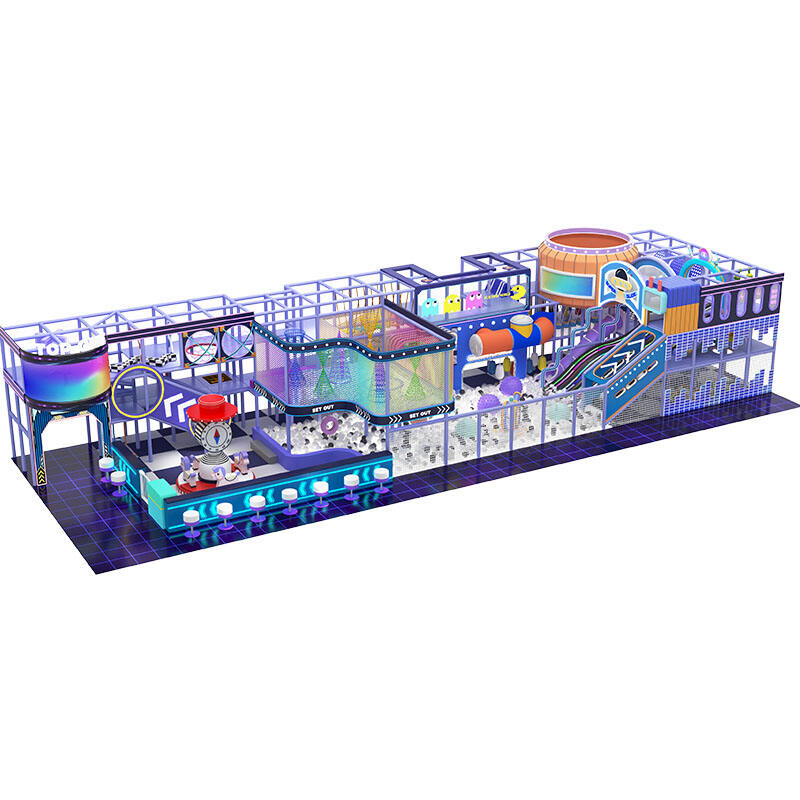
Indoor amusement park ideas are creative concepts, themes, and attraction designs that transform a standard indoor play space into a unique, engaging environment tailored to specific audiences—whether families, children of certain ages, or niche interests—adding excitement and differentiation to stand out in the entertainment market. These ideas blend fun, functionality, and innovation to create memorable experiences that encourage repeat visits and positive word-of-mouth. Thematic concepts are a foundational idea, with themes ranging from immersive worlds to educational focuses, each guiding the design of attractions, decor, and activities. For example, a “Jungle Expedition” theme could include treehouse climbing structures, animal-themed arcade games, a simulated river raft ride, and staff dressed as explorers, with sounds of wildlife and lush greenery throughout. An “Underwater Adventure” park might feature blue lighting, coral-shaped play equipment, interactive touch tanks with toy sea creatures, and a virtual reality submarine ride that “dives” into the ocean depths. Educational or interactive ideas combine play with learning, appealing to parents seeking developmental value for their children. A “Science Discovery” park could include hands-on exhibits like water tables for experimenting with currents, bubble labs, simple machine play structures (levers, pulleys), and live science demonstrations (e.g., dry ice shows) that make learning fun. For older kids, a “Mystery Mansion” theme with escape room-style challenges, puzzle-solving games, and interactive storytelling (where visitors “solve a case” by completing tasks) adds mental engagement to physical play. Inclusive design ideas ensure the park is accessible to children with disabilities, featuring wheelchair-accessible ramps to play structures, sensory-friendly zones with reduced noise and lighting, adaptive swings, and braille signage. This not only broadens the audience but also fosters a welcoming community atmosphere. Technology-driven ideas incorporate cutting-edge attractions like augmented reality (AR) games where kids “hunt” virtual creatures throughout the park using tablets, projection mapping that turns floors into interactive games (e.g., hopscotch with moving targets), or multiplayer VR simulators that let groups experience adventures like space travel or dinosaur safaris together. Hybrid concepts blend different entertainment types, such as combining an indoor amusement park with a café that has interactive tables (where kids draw on surfaces that come to life), or a mini-golf course with animated obstacles and themed holes that complement other attractions. Seasonal or rotating ideas keep the park fresh, with temporary exhibits (e.g., a “Winter Wonderland” in December, a “Carnival” in summer) or limited-time events (character meet-and-greets, themed workshops) that encourage repeat visits. By combining creativity, audience focus, and innovation, indoor amusement park ideas create a space that is not just a place to play, but a destination for unique, memorable experiences.
 EN
EN