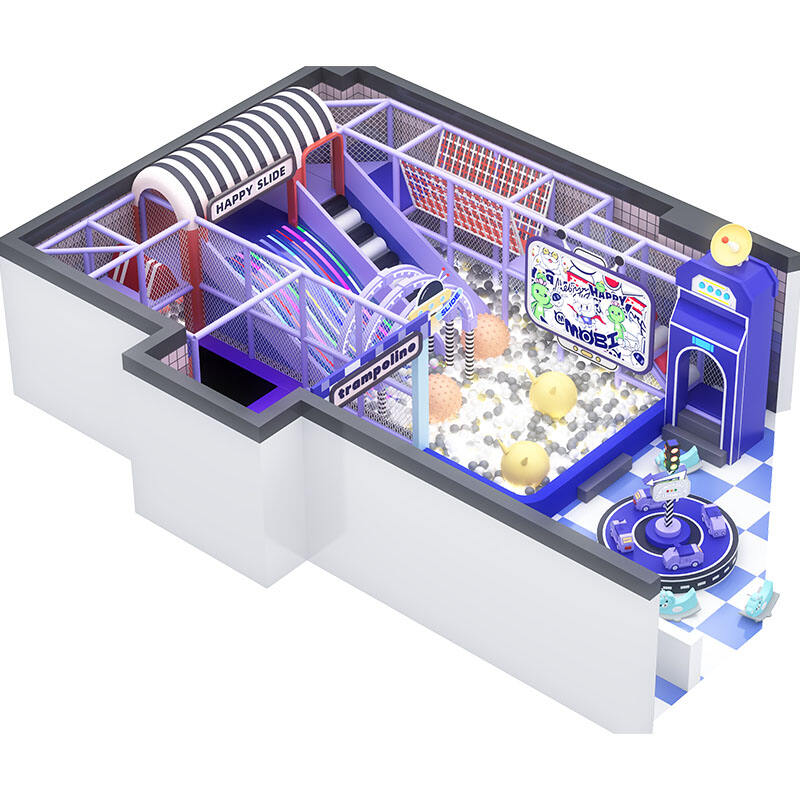
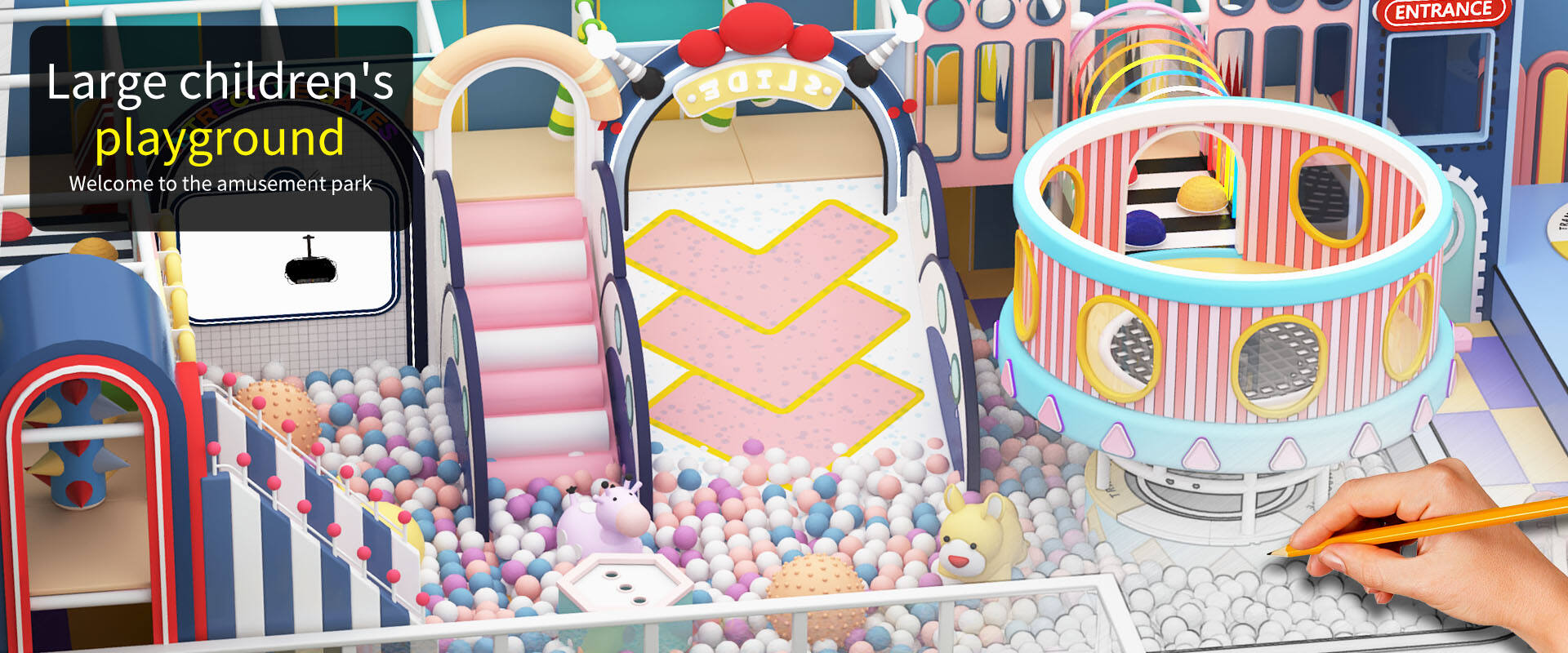
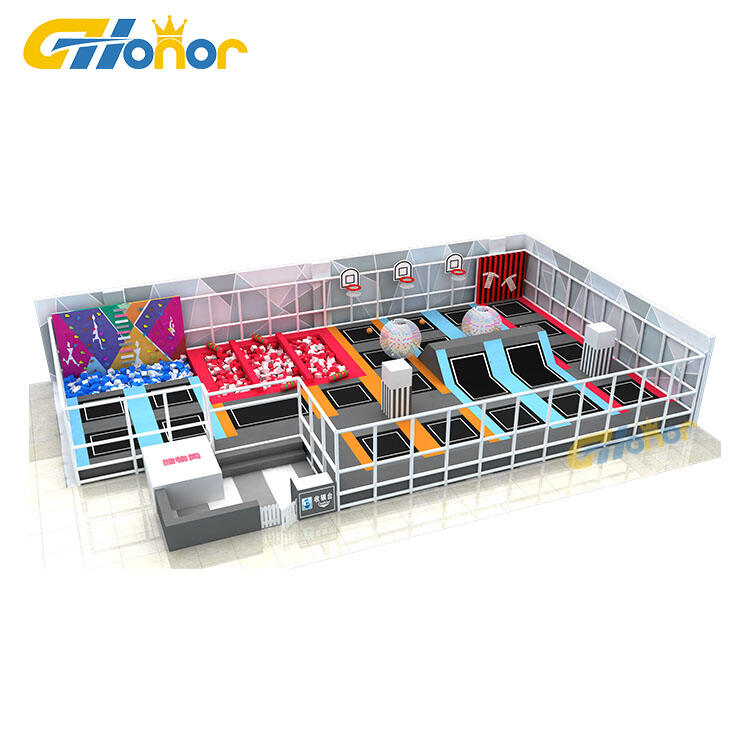
Indoor amusement park design is a holistic process that combines creativity, functionality, safety, and user experience to create an engaging, cohesive indoor entertainment space that delights visitors while meeting operational and regulatory requirements. This multidisciplinary design process involves integrating architecture, interior design, play theory, and engineering to shape every aspect of the park, from its overall theme to the details of individual attractions. At the heart of indoor amusement park design is defining a clear theme or concept, which serves as the foundation for all aesthetic and functional decisions. Themes can range from whimsical (e.g., fairy tales, undersea adventures) to modern (e.g., technology, space exploration) or educational (e.g., science, nature), and they influence everything from color schemes and decor to the design of play structures and signage. A strong theme creates immersion, making the park more memorable and encouraging visitors to engage with the environment on a deeper level. Age-appropriate design is critical, with distinct zones tailored to different developmental stages. Toddler areas feature soft, low-to-the-ground play equipment (padded mats, sensory tables) with rounded edges and easy supervision, while areas for older children include more challenging structures (climbing walls, obstacle courses) and interactive technology (VR games, motion-sensing activities). These zones are separated by clear pathways but connected in a way that allows families to move between them easily. Safety is integrated into every design element, from the selection of non-toxic, durable materials (fire-retardant fabrics, shatterproof plastics) to the placement of attractions (ensuring adequate spacing to prevent collisions) and the inclusion of safety features (handrails, impact-absorbing flooring, emergency exits with clear signage). All designs must comply with international standards (such as EN 1176, ASTM F1487) to ensure the well-being of visitors. Functionality is another key consideration, with layouts that optimize traffic flow, minimize congestion, and provide convenient access to amenities (restrooms, seating, snack bars). Lighting and acoustics are designed to enhance the theme—bright, vibrant lights for active zones, softer lighting for relaxation areas—and to manage noise levels, creating a comfortable environment for both children and adults. Indoor amusement park design also incorporates flexibility, allowing for future updates or additions as trends change. This might involve modular play structures that can be reconfigured or open spaces that can adapt to new attractions. By balancing creativity with practicality, safety, and user needs, indoor amusement park design creates a space that is not only visually appealing but also highly functional, ensuring a positive experience for every visitor.
 EN
EN