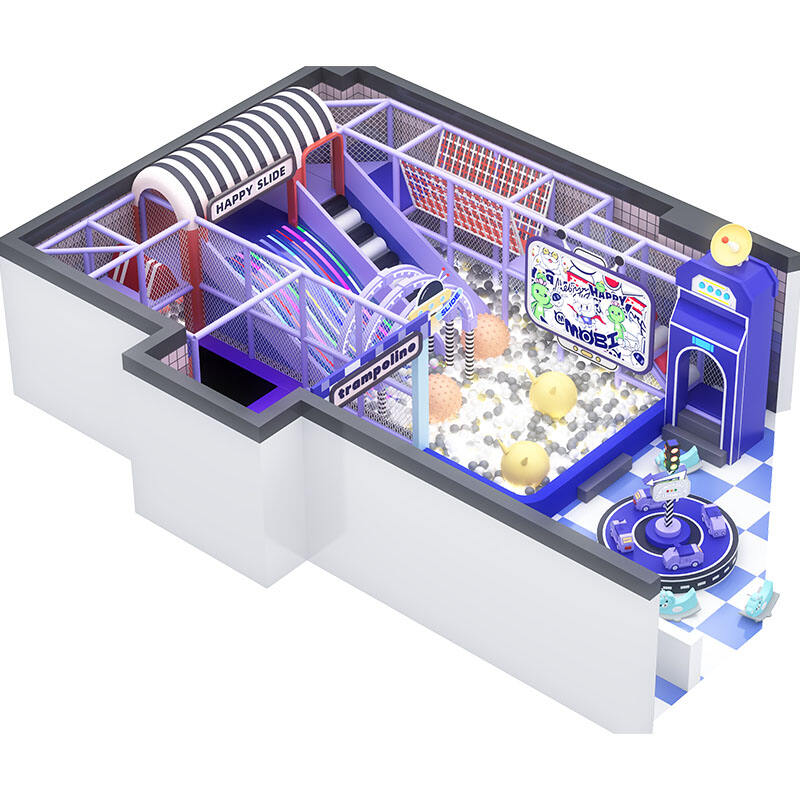
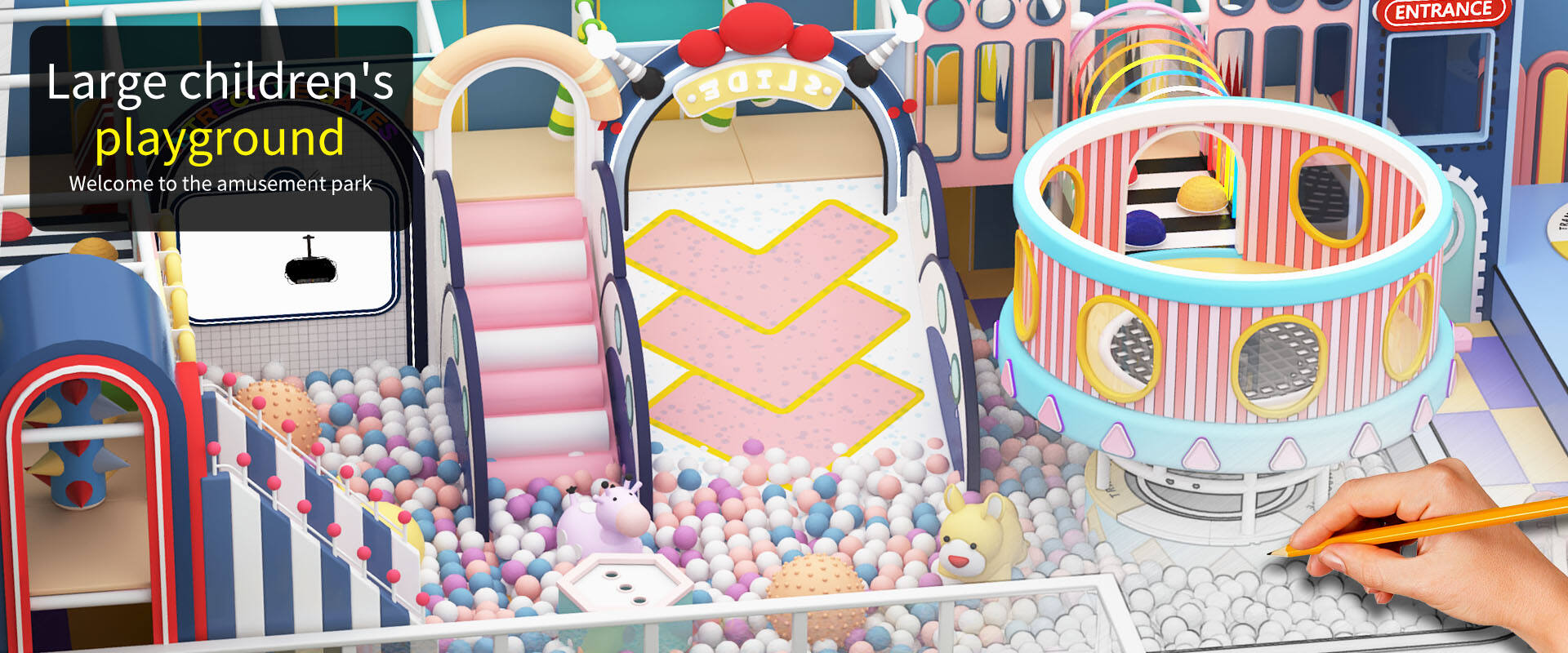
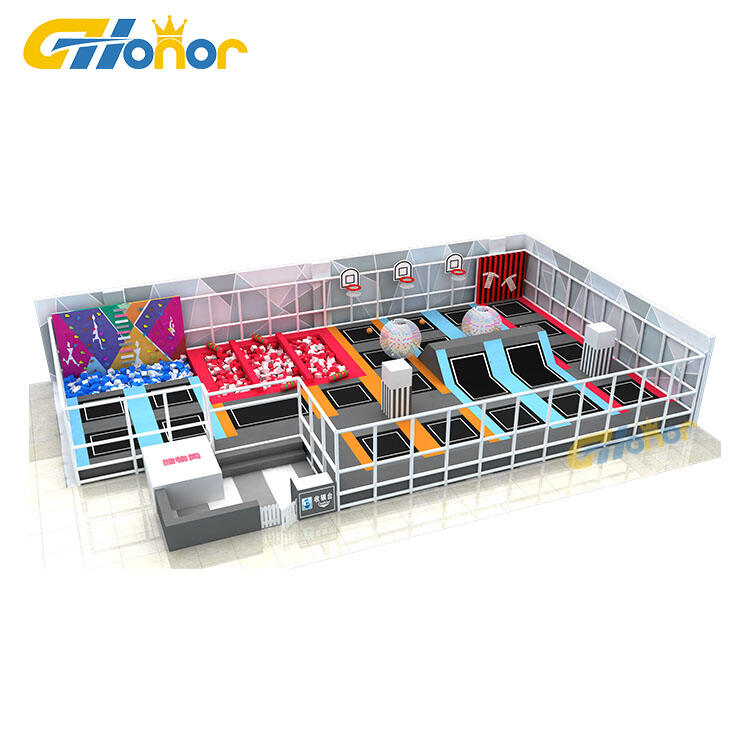
Indoor amusement park decoration encompasses the visual elements, themes, and design details that transform a functional indoor amusement space into an immersive, engaging environment, enhancing the guest experience by stimulating imagination and creating a cohesive, memorable atmosphere. These decorative elements work in harmony with the park’s layout and attractions to reinforce its theme, appeal to the target audience, and differentiate it from competitors. Thematic consistency is the cornerstone of effective decoration, with every element—from wall murals and signage to lighting and furniture—aligning with a central concept. Popular themes include jungle adventures, fairy tales, space exploration, or urban street culture, each bringing unique visual cues: jungle-themed parks may feature leafy green murals, animal sculptures, and wooden play structures, while space-themed parks use metallic finishes, star projections, and rocket-shaped decor to create an otherworldly feel. This thematic coherence helps visitors suspend disbelief and fully engage with the park’s narrative. Color and lighting play a vital role in setting the mood, with bright, vibrant hues (reds, yellows, blues) energizing spaces for active play, and softer tones (pastels, warm whites) creating calming areas for younger children or seating zones. Dynamic lighting—such as LED strips that change color, blacklights for glow-in-the-dark zones, or spotlights highlighting key attractions—adds visual interest and guides attention to specific areas. Interactive decorations enhance engagement, with elements that respond to visitor movement, such as touch-sensitive walls that light up when touched, sound-activated fountains, or murals with hidden details that encourage exploration. These interactive features turn passive viewing into active participation, making the environment feel alive and responsive. Signage and wayfinding are both functional and decorative, using themed fonts, colors, and graphics to guide visitors to different zones, restrooms, or exits while reinforcing the park’s theme. For example, pirate-themed parks may use treasure map-style signs with “X marks the spot” for attractions, while fairy tale parks might use scroll-shaped signs with whimsical lettering. Decorative elements also extend to furniture and amenities, with seating, tables, and trash cans designed to match the theme—e.g., tree stump seats in a jungle park, or spaceship-shaped benches in a space park. Even staff uniforms can be part of the decoration, with costumes that reflect the theme and help employees blend into the immersive environment. Durability and safety are key considerations, as decorations must withstand heavy foot traffic, frequent cleaning, and interaction with children. Materials are chosen for their resilience—washable murals, shatterproof acrylics, and non-toxic paints—while avoiding sharp edges or small, detachable parts that could pose hazards. By combining thematic consistency, engaging visuals, interactive elements, and practical design, indoor amusement park decoration creates a space that delights visitors, encourages exploration, and leaves a lasting impression.
 EN
EN