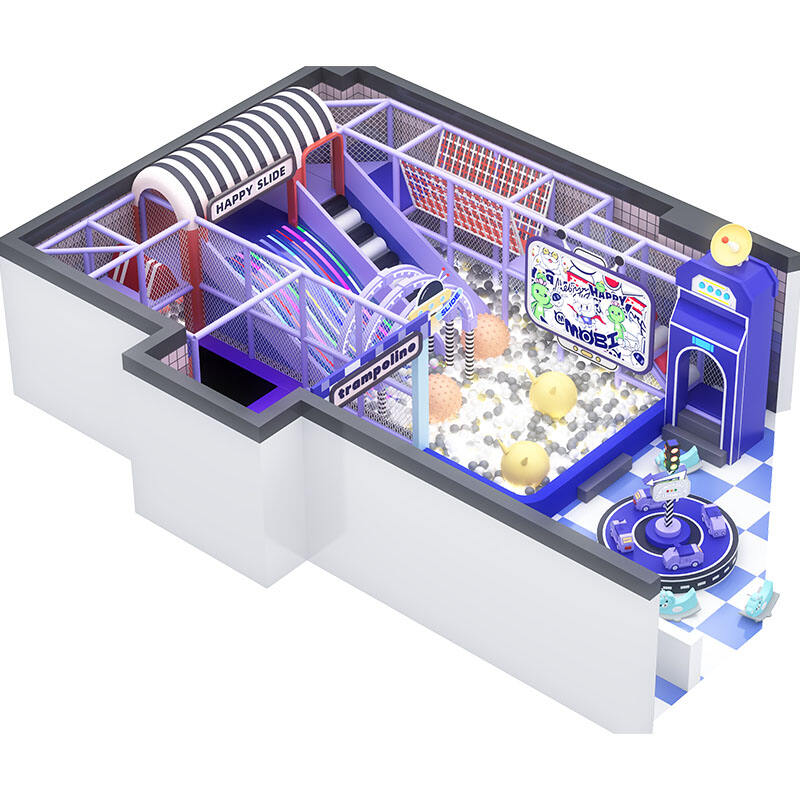
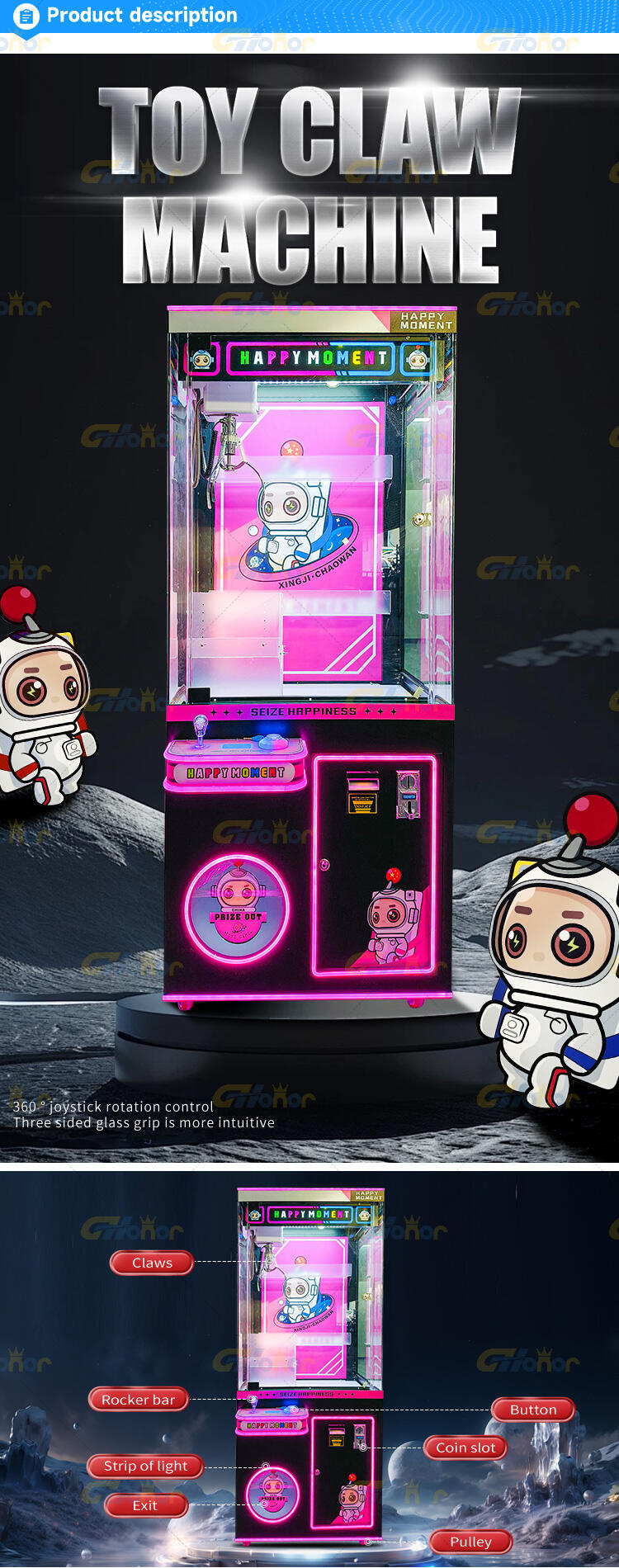
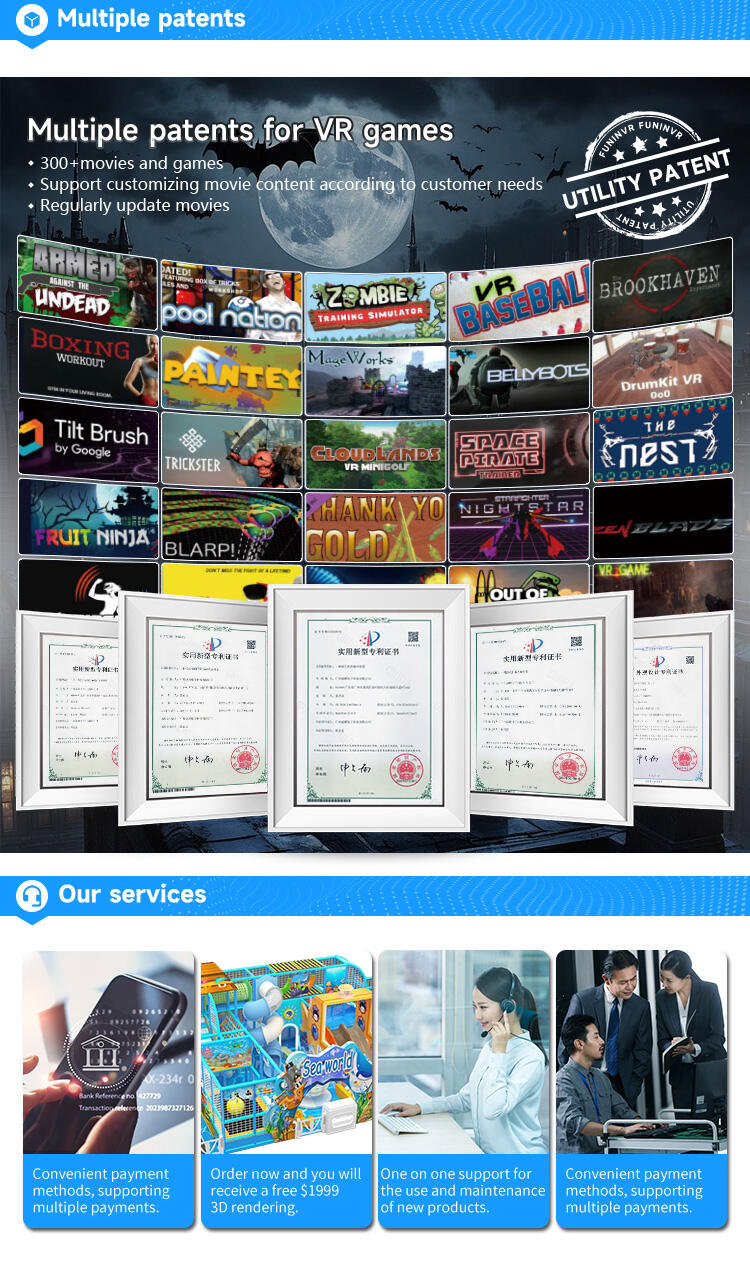
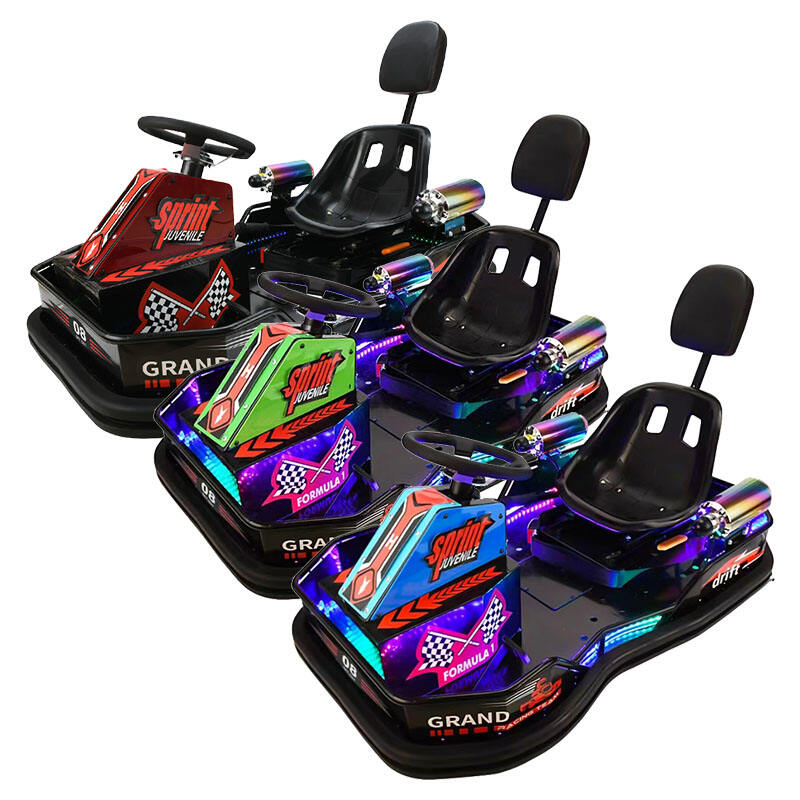
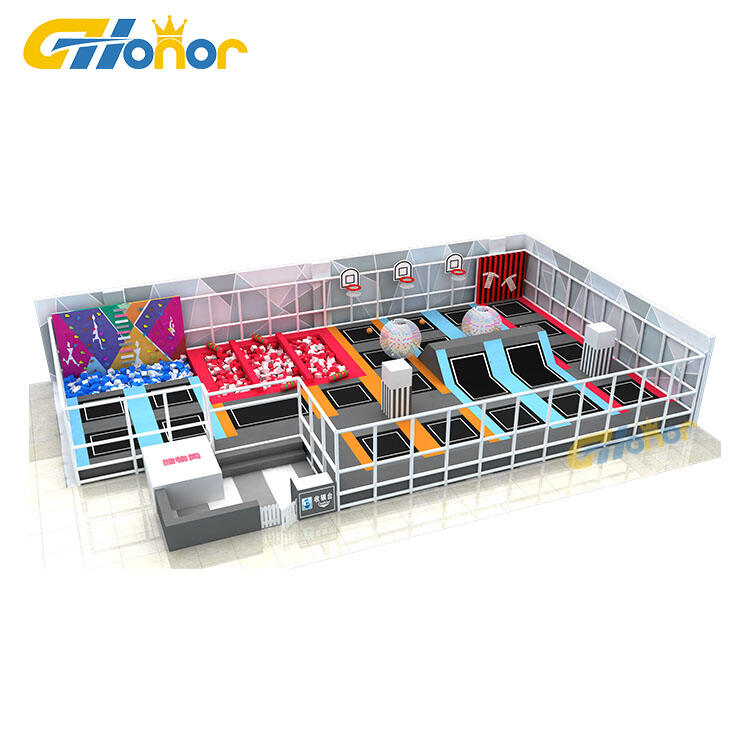
Indoor amusement park business involves operating a commercial indoor facility that offers entertainment attractions, games, and activities for visitors, typically targeting families, children, or young adults, with the goal of generating revenue through admission fees, game tokens, food sales, and private events. This business model requires careful planning, management, and adaptation to market trends to ensure profitability and long-term success in a competitive entertainment industry. The foundation of an indoor amusement park business is defining the target market, which shapes the selection of attractions, pricing, and marketing strategies. For example, a park focused on families with toddlers will prioritize soft play areas, interactive exhibits, and parent-friendly amenities (seating, Wi-Fi), while one targeting teenagers may emphasize arcade games, VR simulators, and competitive challenges. Understanding local demographics—such as population density, income levels, and competing entertainment options—is critical to identifying unmet needs and positioning the park effectively. Revenue streams are diverse, with primary sources including admission fees (pay-per-entry or membership passes), game tokens or cards for arcade machines, and sales of food, beverages, and merchandise. Additional income comes from private events like birthday parties, corporate outings, or school field trips, which often include package deals with exclusive use of party rooms, catering, and dedicated staff. Maximizing these streams requires balancing affordability with perceived value, ensuring prices are competitive while covering costs of operations, maintenance, and staff. Operations management is key to smooth daily functioning, involving staff training (for customer service, safety protocols, and equipment operation), scheduling to ensure adequate coverage during peak hours, and rigorous maintenance of attractions to prevent downtime. Safety is a top priority, with regular inspections of rides and play structures, adherence to health codes for food service, and clear emergency procedures to protect visitors and employees. Marketing and customer retention are essential for attracting and keeping customers. This includes building a strong brand identity through a memorable name, logo, and theme, promoting the park via social media, local advertising, and partnerships with schools or community organizations. Loyalty programs—such as punch cards for repeat visits or discounts for members—encourage repeat business, while positive online reviews and word-of-mouth referrals are critical for attracting new customers. Adapting to trends is vital in the indoor amusement park business, as visitor preferences evolve with new technologies and entertainment options. This may involve adding new attractions (e.g., the latest VR games, interactive sensory exhibits), updating decor to stay fresh, or introducing seasonal events (holiday-themed activities, summer camps) to drive traffic during off-peak periods. Financial management is also crucial, with careful tracking of expenses (rent, utilities, payroll, equipment repairs) and revenue to identify profit margins, adjust pricing, or cut costs where necessary. By combining a clear understanding of the target market, diverse revenue streams, strong operations, effective marketing, and adaptability, an indoor amusement park business can thrive as a beloved community entertainment destination.
 EN
EN