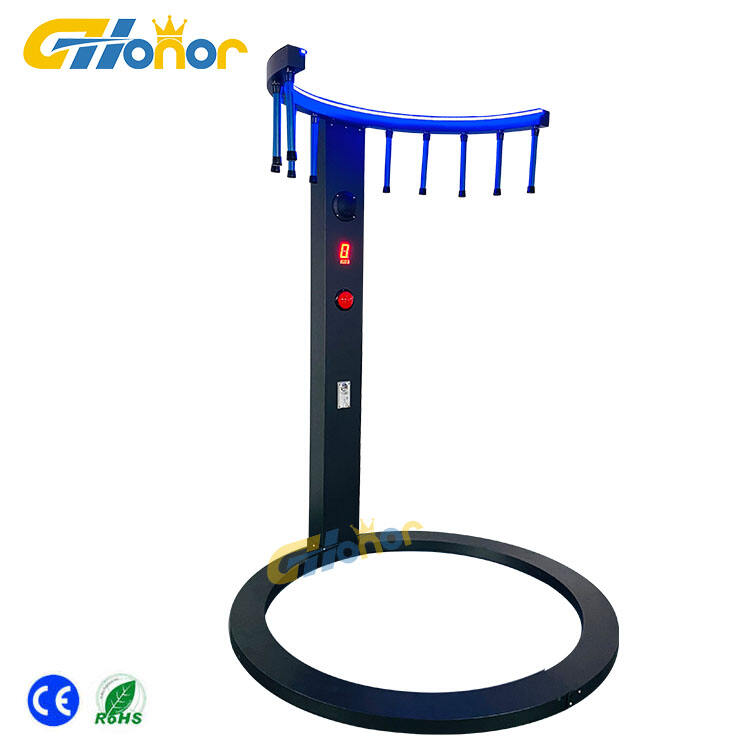
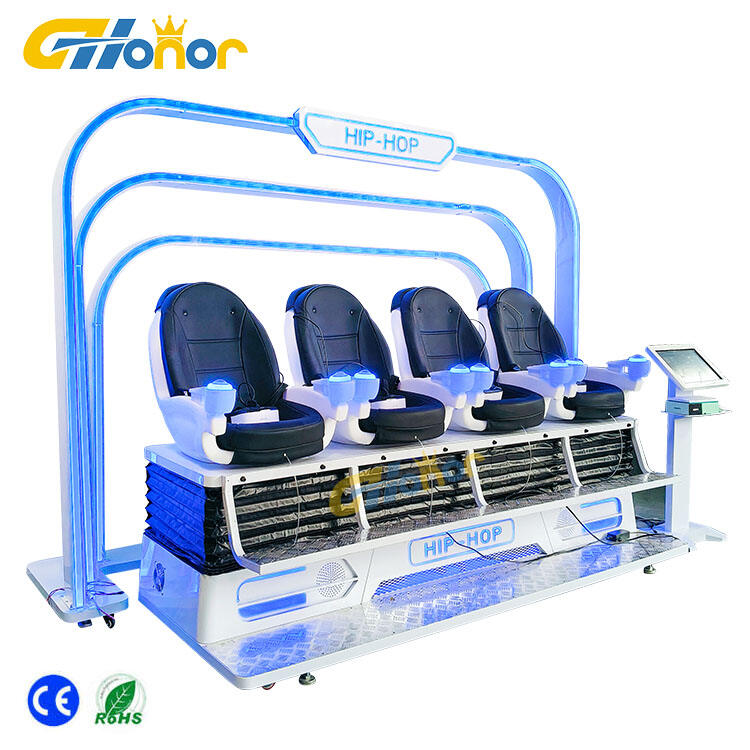
Commercial VR equipment refers to specialized virtual reality hardware designed for public or business use in settings such as arcades, entertainment centers, theme parks, museums, and corporate training facilities, prioritizing durability, high throughput, ease of maintenance, and broad user appeal to meet the demands of commercial operations. These devices are engineered to withstand heavy, continuous use while delivering consistent, immersive experiences to a diverse customer base. Construction-wise, commercial VR equipment features robust materials that resist wear and damage from frequent handling. Headsets have reinforced frames, scratch-resistant lenses, and durable, easy-to-clean padding (often made from antimicrobial materials to maintain hygiene in shared environments). Controllers and tracking sensors use industrial-grade plastics and metals, designed to endure drops, bumps, and repeated use—critical for equipment that may be used hundreds of times daily. Many commercial setups include fixed or semi-fixed stations with protective barriers, cable management systems, or dedicated play areas to prevent accidents and ensure user safety, especially in busy public spaces. Performance is optimized for reliability and accessibility, with hardware that delivers consistent frame rates, low latency, and high-resolution visuals to minimize motion sickness and keep users engaged. Tracking systems are accurate and fast, ensuring that even rapid movements are reflected in the virtual environment, which is essential for multiplayer or active experiences. Equipment often supports quick setup and reset between users, with features like one-button calibration, easy-to-adjust head straps, and intuitive interfaces that reduce downtime and allow staff to focus on assisting customers rather than troubleshooting. Commercial VR equipment frequently includes multiplayer capabilities, enabling groups of users to interact in the same virtual space—an important feature for social entertainment venues. It may also integrate with payment systems, allowing for seamless transactions (coin, card, or mobile payments) and tracking of usage metrics for operators to analyze performance and revenue. Manufacturers of commercial VR equipment often provide comprehensive support, including warranty coverage, technical assistance, replacement parts, and content updates, ensuring that operators can keep the equipment running smoothly. They also design equipment to be versatile, supporting a range of content from games and simulations to educational experiences, allowing operators to adapt to changing customer preferences. Whether as a standalone attraction or part of a larger entertainment offering, commercial VR equipment is a powerful tool for businesses looking to attract customers with cutting-edge, immersive experiences while maintaining the practicality needed for commercial success.
 EN
EN