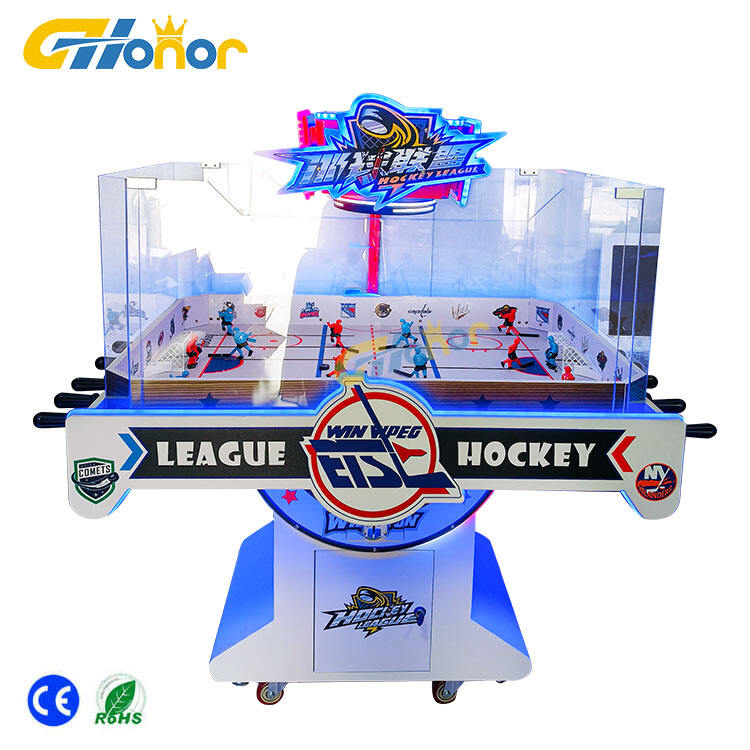
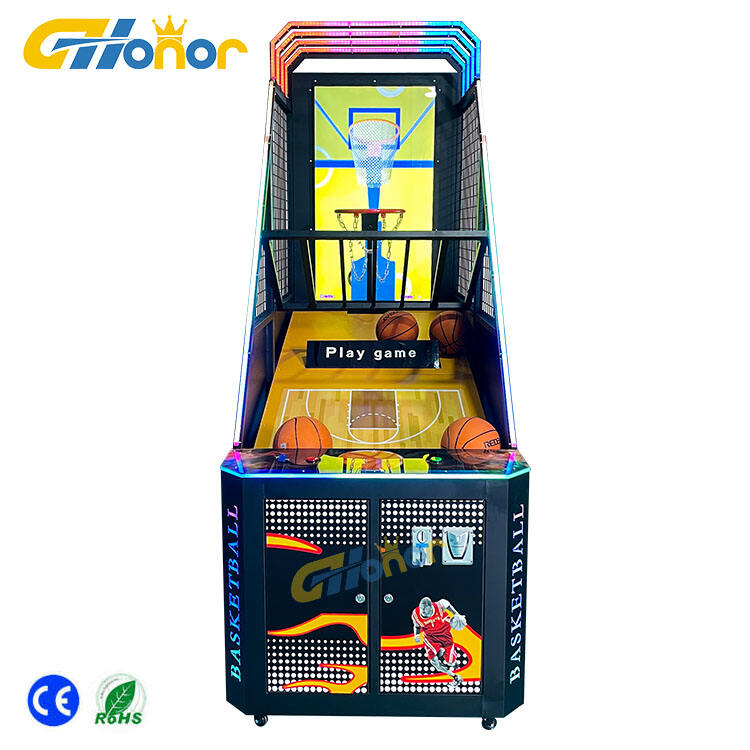
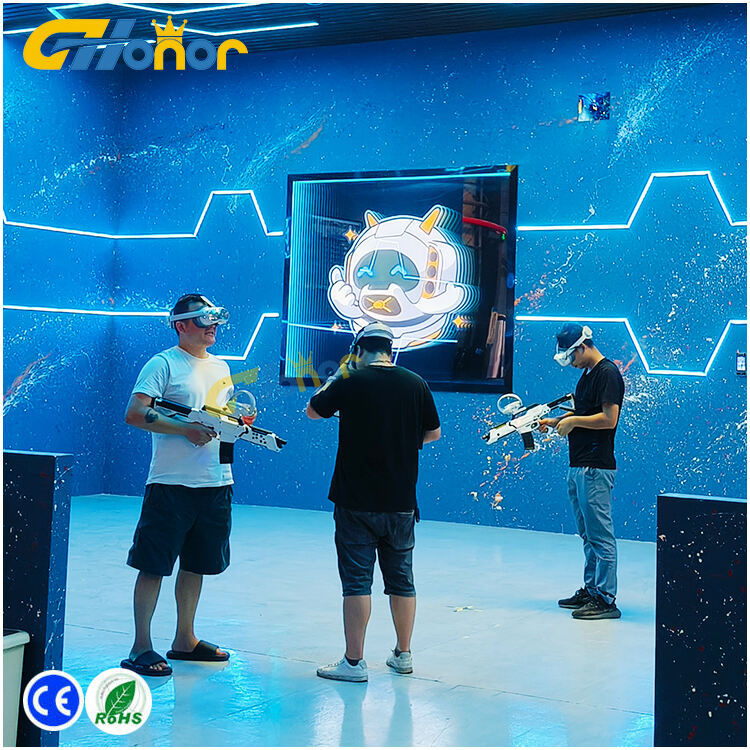
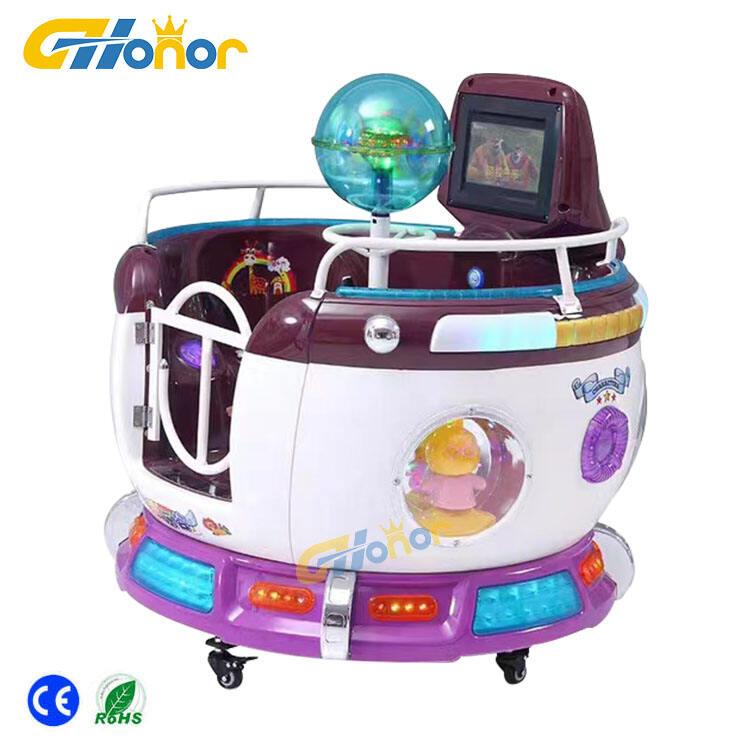
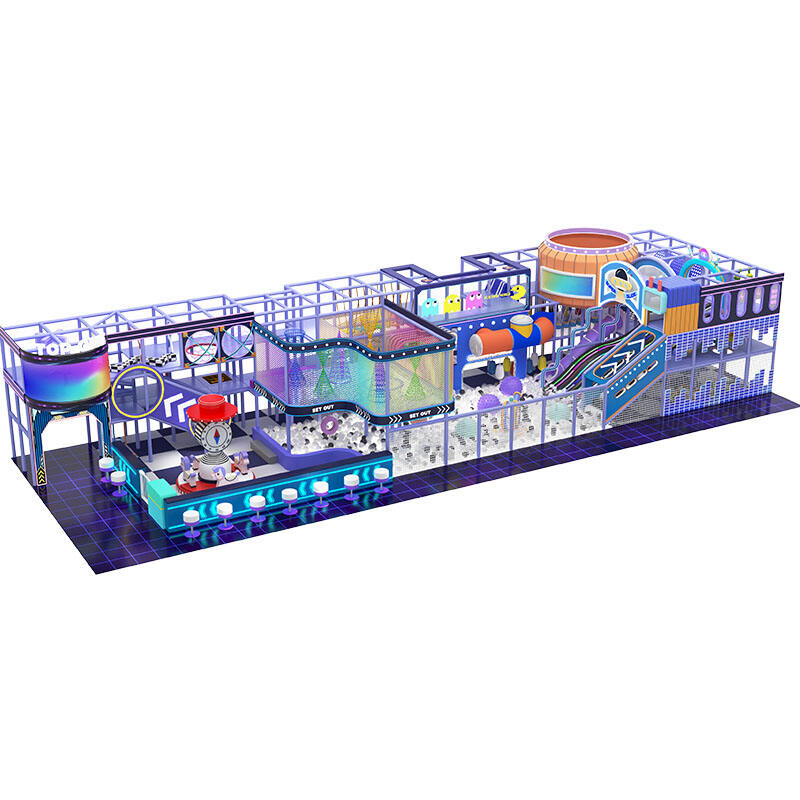
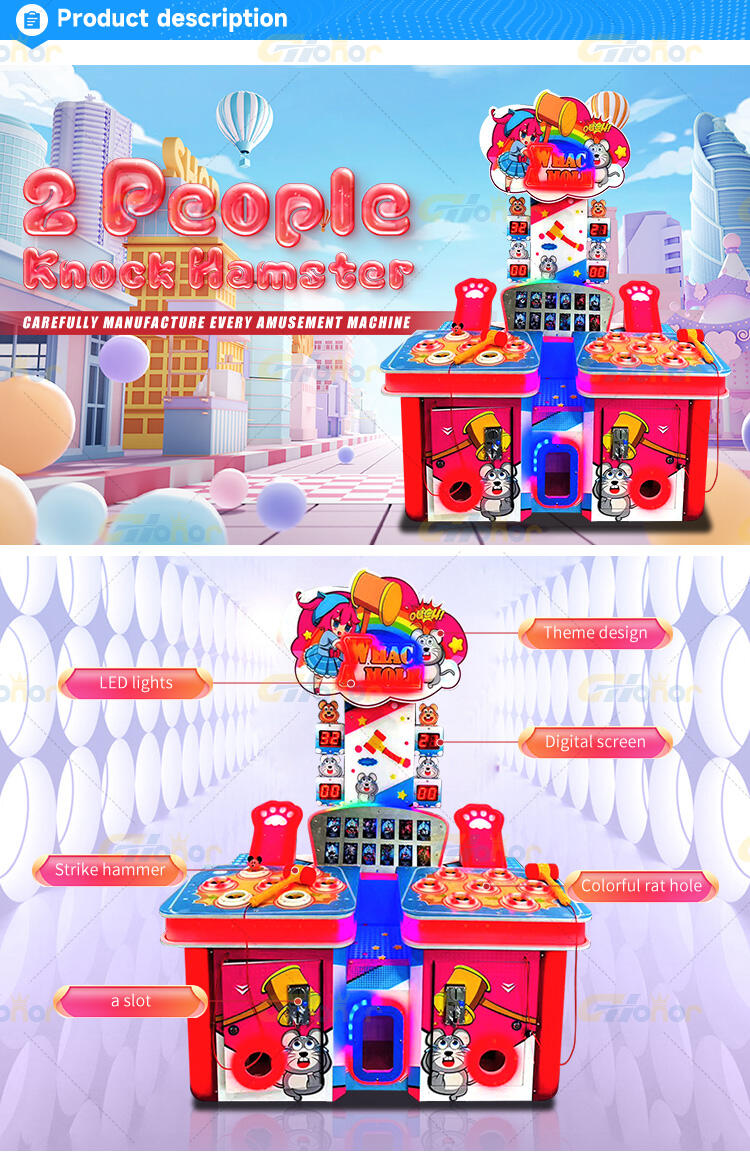
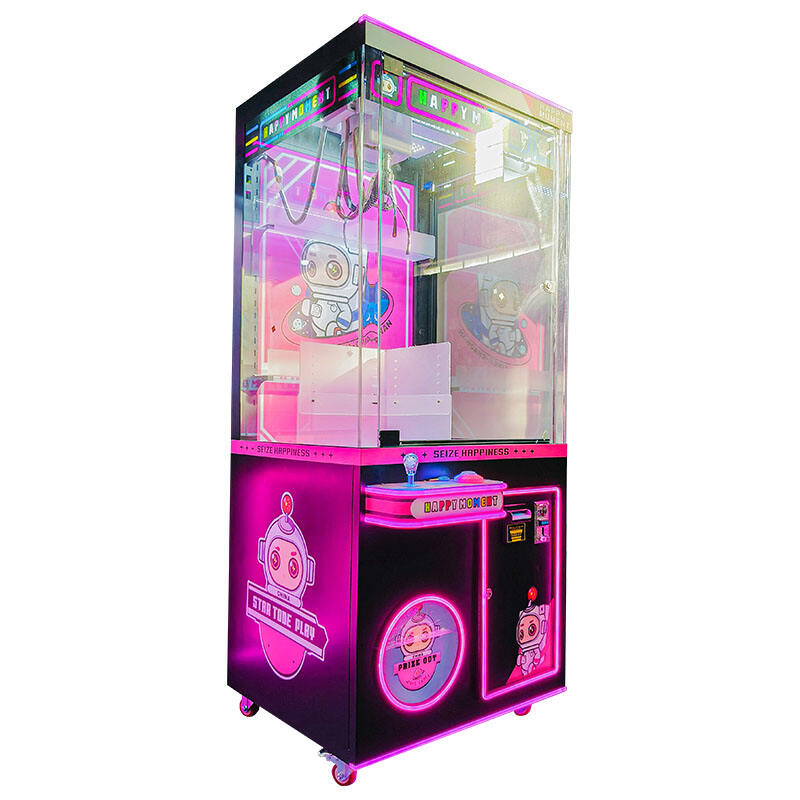
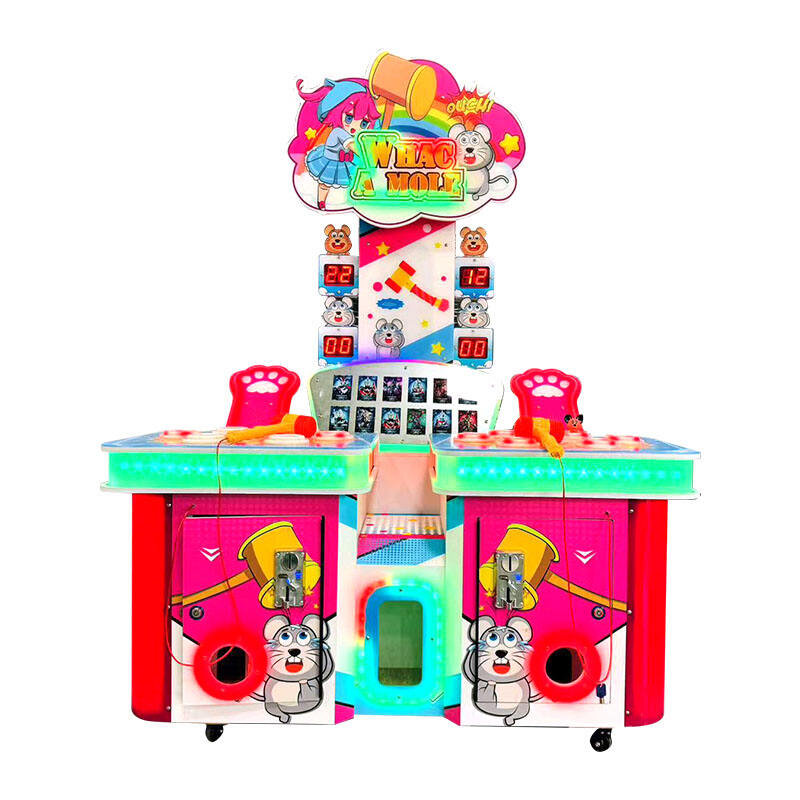
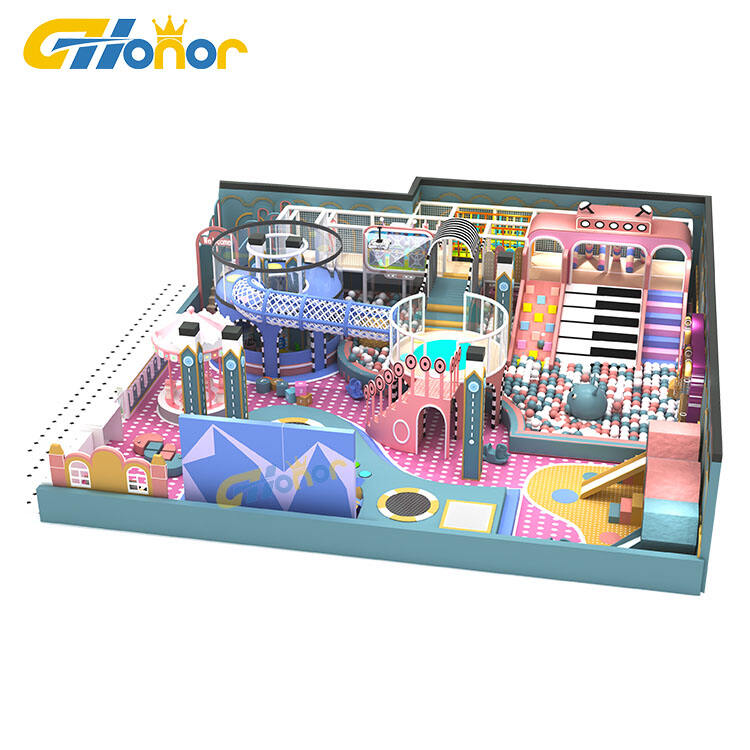
Amusement park equipment encompasses a vast array of mechanical, electronic, and structural components designed to create, operate, and maintain the rides, attractions, and facilities that define the amusement park experience. This equipment is engineered with a focus on safety, durability, and visitor engagement, ensuring it can withstand heavy use, varying environmental conditions, and strict regulatory standards while delivering enjoyable experiences for guests of all ages. At the core of amusement park equipment are the rides, which span multiple categories to cater to diverse preferences. Thrill rides, such as roller coasters, drop towers, and spinning rides, rely on advanced mechanical systems—including high-tensile steel tracks, hydraulic or pneumatic lift mechanisms, and precision braking systems—to deliver high speeds, inversions, and G-forces. These systems are built with redundant safety features, such as multiple restraint systems (harnesses, lap bars), emergency stop buttons, and real-time monitoring sensors, to ensure rider safety even in unexpected situations. Family rides, including carousels, ferris wheels, and log flumes, prioritize accessibility and shared experiences, with designs featuring colorful aesthetics, gentle motion, and seating suitable for children and adults. Carousels, for example, include hand-carved or molded animal figures mounted on a rotating platform, with synchronized music systems and safety barriers to prevent falls. Ferris wheels use sturdy steel frames and enclosed cabins with secure latches, designed to provide panoramic views while maintaining stability at height. Water-based equipment, such as water slides, wave pools, and lazy rivers, incorporates materials like fiberglass (for smooth, durable slides) and corrosion-resistant metals to withstand constant exposure to water and chemicals. Wave pools use specialized pumps and wave-generating machinery to create controlled surf, while lazy rivers feature gentle current systems and themed elements like waterfalls or bridges to enhance the experience. Beyond rides, amusement park equipment includes interactive attractions such as arcade games, virtual reality simulators, and laser tag arenas. Arcade equipment ranges from classic games like skee-ball and air hockey to modern video game machines with high-definition displays and motion sensors. VR simulators use headsets, motion-tracking controllers, and haptic feedback systems to create immersive digital environments, requiring robust hardware to handle complex graphics and user inputs. Operational equipment is essential for daily park functioning, including ticketing systems (electronic scanners, mobile app integration), queue management tools (stanchions, digital wait-time displays), and point-of-sale systems for food, beverage, and merchandise sales. Infrastructure equipment such as seating, shade structures, signage, and restroom facilities ensures visitor comfort, while maintenance tools (lubricants, inspection devices, replacement parts) and safety equipment (first aid stations, fire extinguishers, emergency lighting) support ongoing operations and compliance with safety regulations. All amusement park equipment must adhere to international standards set by organizations like ASTM International, the International Association of Amusement Parks and Attractions (IAAPA), and regional bodies, undergoing rigorous testing and certification before use. Regular inspections and maintenance are required to ensure ongoing safety and performance, making high-quality, durable equipment a long-term investment for park operators. Whether thrilling visitors on a roller coaster, entertaining families with a carousel, or facilitating smooth operations through ticketing systems, amusement park equipment is the backbone of creating memorable, safe, and enjoyable leisure experiences.
 EN
EN